
Tomato Grafting: The Technique Expert Gardeners Use to Grow Stronger, More Productive Plants
A sophisticated yet accessible technique that allows you to boost the resilience and productivity of tomatoes: discover how it works and why you should adopt it.
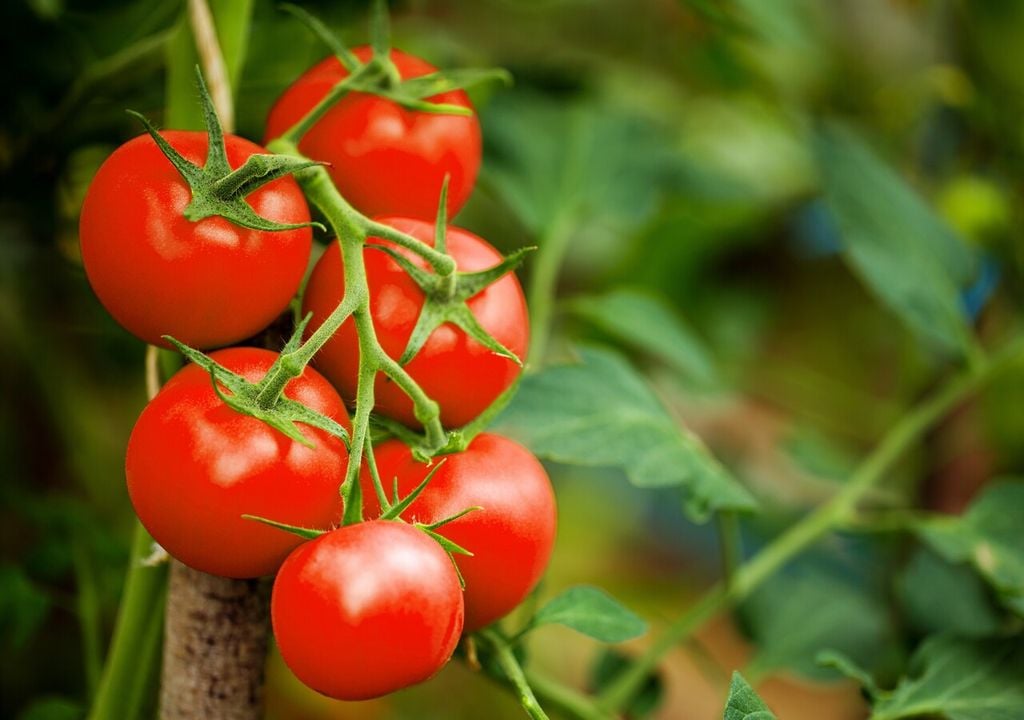
With the arrival of spring, the garden once again fills with new crops, and among them, the tomato takes center stage. This vegetable stands out for its extraordinary variety of shapes, colors, and sizes, ranging from tiny cherry tomatoes to large beefsteak varieties.
Planting is usually done between late April and early May, once the risk of frost has passed. From that point on, the plant grows quickly, offering its first fruits from mid-summer onward. However, to grow truly vigorous and productive plants, many experienced gardeners turn to an advanced technique: grafting.
What Is Grafting and Why Use It?
Grafting is an agronomic technique that consists of joining two different plants so they grow together as a single organism. Specifically, it combines:
- The aerial part (known as the “scion”), chosen for the quality of its fruit.
- The root system (known as the “rootstock”), selected for its strength and resistance.
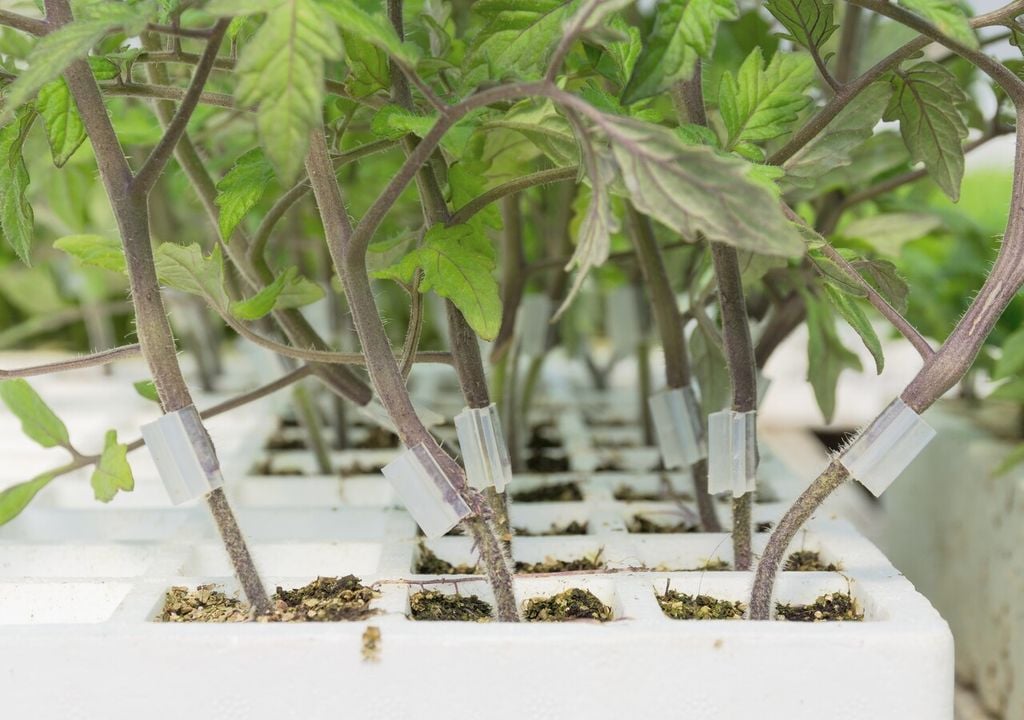
Both the aerial part and the root system come from two different plants, specifically selected for their respective fruit and root characteristics.
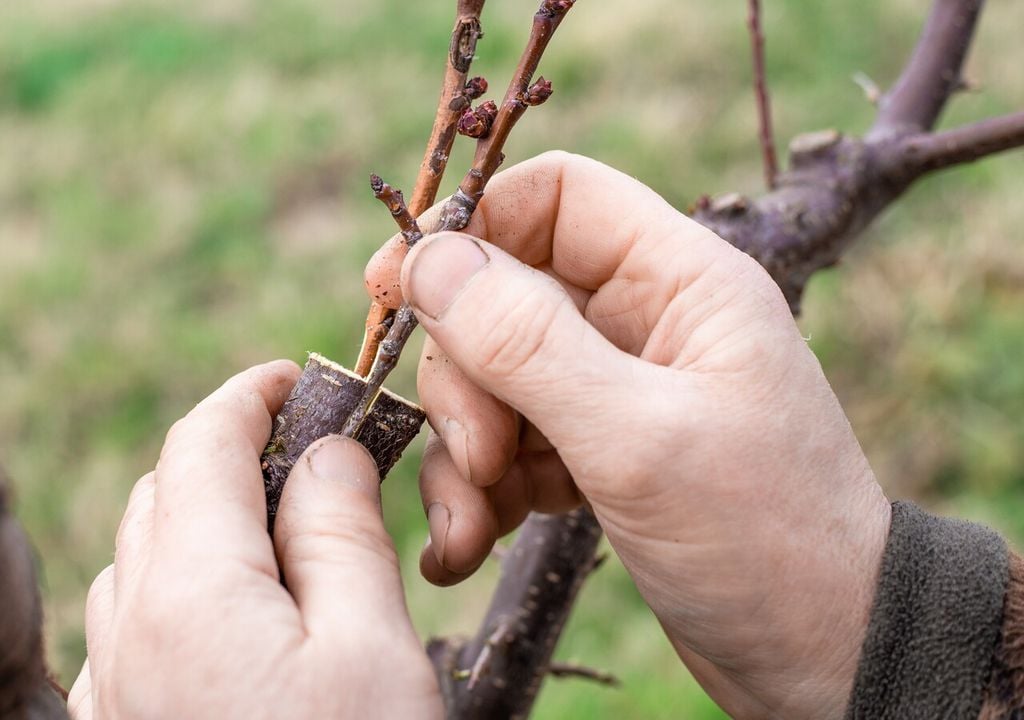
The aerial part is obtained by making a clean cut to isolate a bud, sprout, or scion, while the underground part is obtained by separating the aerial section from the root system, again with a clean cut, although in this case positioned above the root collar.
The success of grafting mainly depends on two factors:
- Botanical compatibility: It is essential that the two plants are botanically compatible; that is, they must belong to the same botanical family. This means they share similar structural characteristics, which allows their tissues to fuse.
- Precision: high-quality execution is required, both when making the cuts on both plants and when bringing the plant tissues into contact. The fusion of these tissues is facilitated by applying a strip of flexible and breathable material at the contact point between the scion and the rootstock, specifically where tissue fusion must occur.
This technique is widely used in woody plants, both in fruit cultivation (such as apple, pear, and citrus trees) and in the ornamental sector (for example, roses and maples). However, it is also applied to certain herbaceous plants, including various vegetables.
In the field of horticulture, a typical example is that of the Solanaceae, a family that includes tomatoes, eggplants, and peppers. Within this group, it is possible, for example, to graft tomatoes onto selected tomato rootstocks and, in some cases, even onto eggplants.
Another very common example involves the Cucurbitaceae: watermelons and melons are often grafted onto squash, while cucumbers can be grafted onto zucchini or squash, thus taking advantage of stronger root systems.
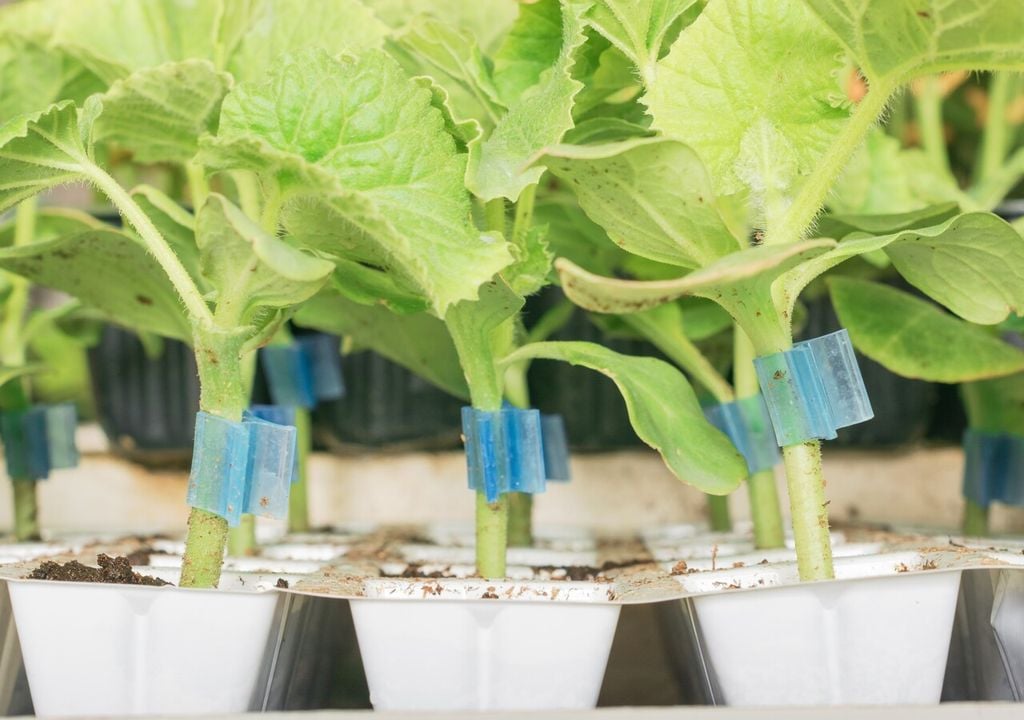
In recent years, vegetable grafting has found increasingly wider application, mainly to enhance resistance to soil-borne diseases and improve adaptability to difficult growing conditions.
Tomato Grafting: Techniques and Advantages
In the case of tomatoes, grafting is performed on young seedlings, using selected hybrid varieties as rootstocks, characterized by a vigorous and resistant root system.
Among the most commonly used techniques is cleft grafting, which consists of cutting the rootstock and making a small vertical incision into which the scion (the tomato variety intended for cultivation), shaped like a wedge, is inserted. This technique is relatively simple and ensures a stable graft union.
Clip grafting (or splice grafting) is also widely used: in this method, the rootstock and scion are cut at the same angle, fitted together perfectly, and then secured with a small clip. It is a fast and precise technique, suitable even for those with limited experience.
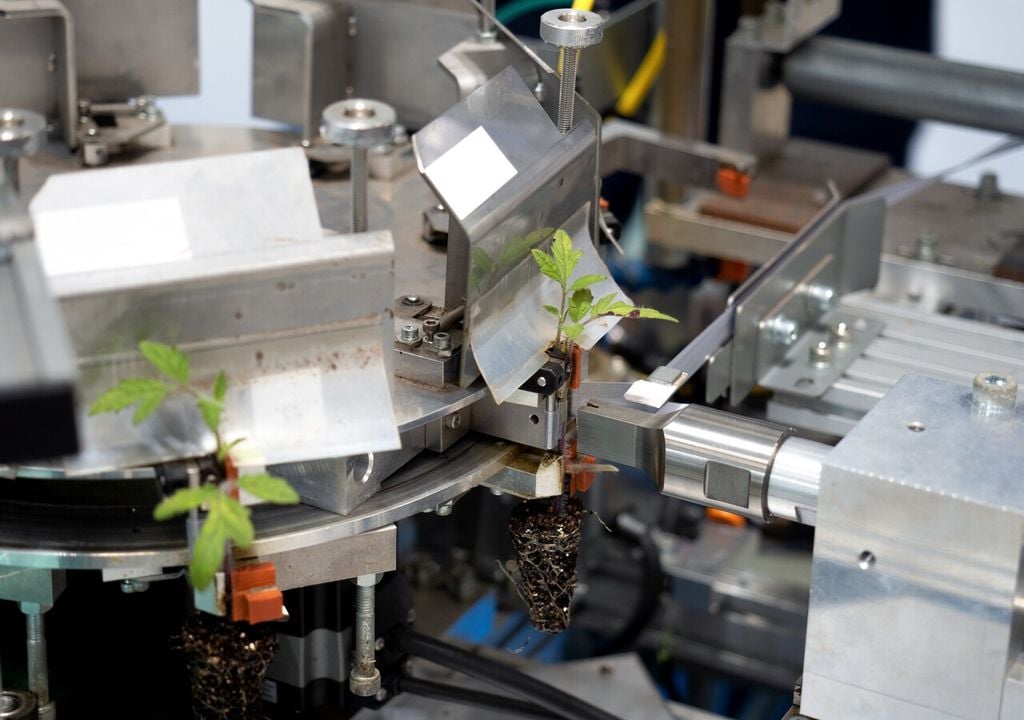
Finally, approach grafting involves initially keeping both plants with their own root systems intact. The stems are cut and brought into contact; only after the graft has successfully fused is the scion’s root system removed. This method reduces plant stress and increases the likelihood of successful establishment.
In practice, tomatoes are almost always grafted onto hybrid tomato rootstocks or onto particularly resistant related species, such as Solanum habrochaites.
In general terms, the advantages are numerous and tangible:
- Greater disease resistance, particularly against soil-borne pathogens such as Fusarium wilt and Verticillium wilt.
- A more developed root system, capable of absorbing water and nutrients more efficiently.
- More vigorous growth and greater adaptability.
- Increased productivity, resulting in more abundant and longer-lasting harvests.
- Improved tolerance to stressful conditions, such as drought or depleted soils.
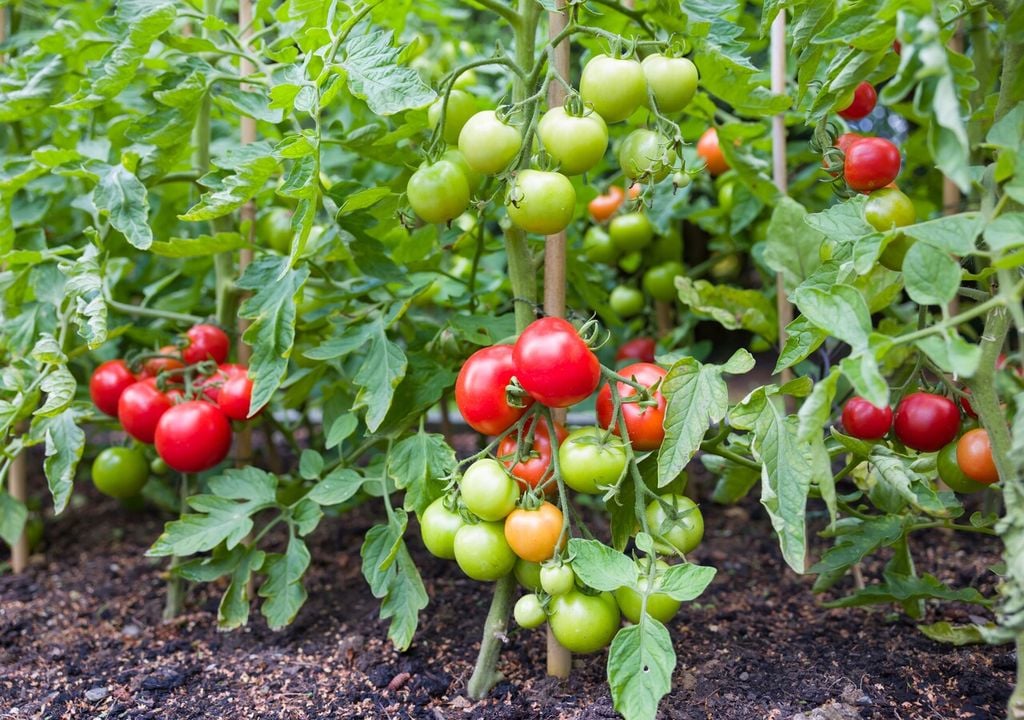
These aspects make grafting particularly useful in intensively cultivated gardens or in soils that have previously hosted solanaceous crops in recent years.
A Balance Between Technique and Nature
Grafting represents one of the most fascinating expressions of gardening: a practice in which knowledge, manual skill, and observation are deeply intertwined.
Consequently, applying grafting to tomato plants not only means increasing garden yield, but also tuning into the deepest mechanisms of plant life, transforming cultivation into an even more conscious and rewarding experience.