
What to plant in fall 2026: cold-hardy crops for your vegetable garden and garden beds
The end of summer doesn’t mean it’s time to put away your tools. With cooler temperatures and crops better suited to the season, fall is a great time to prepare your garden for the months ahead.
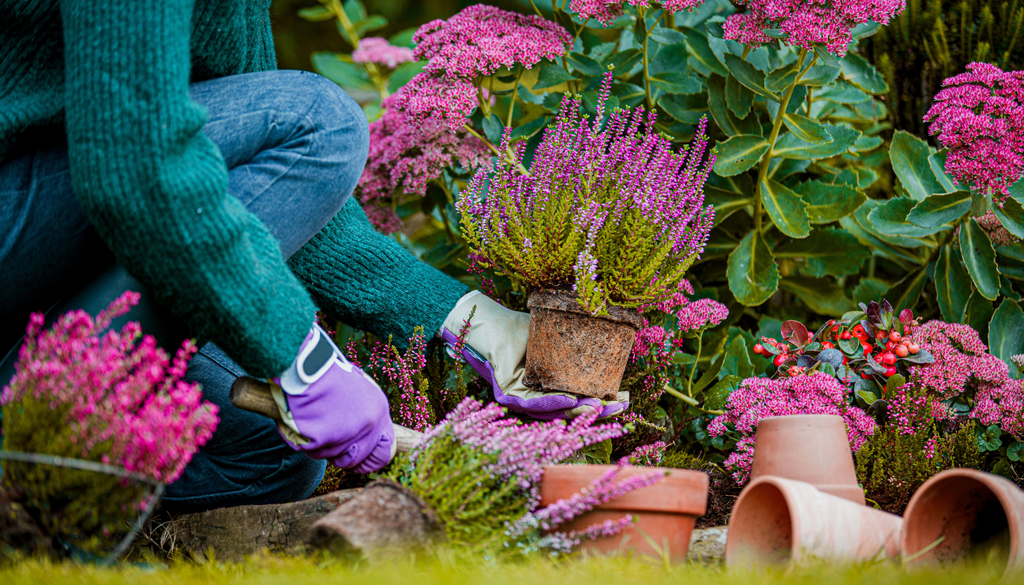
Fall has officially arrived, and the heat is already beginning to ease in several regions, completely changing things in pots and garden beds. Some summer plants are starting to fade, while others are just entering their prime.
During this season, the soil also takes a little longer to dry out and plants lose less water than they do on the hottest days. That means less watering, because if we continue watering as we did in summer, the roots can stay wet for too long, which can lead to fungus, rot and plants that stop growing.
The good news is that there are new options to keep the harvest going. Of course, much will depend on the specific weather and climate conditions in each region. Some plants tolerate cooler temperatures better and even benefit from those nights when you finally need to reach for a light jacket.
Remember, not everything has to be food
We can also grow plenty of flowers and herbs to keep the garden looking its best. Fall is a great season to combine edible and ornamental plants without needing much space.
Before buying seeds like there’s no tomorrow, however, take a look at your garden first. How much sunlight does it receive? Does water drain quickly? Are the nights already getting cold? Keep in mind that the calendar serves as a guide, but plants respond to the weather conditions around them, not to the month displayed on your phone.
What you can plant and how to do it without making things complicated
If you’re looking for something simple, start with leafy greens. Lettuce, spinach, Swiss chard and arugula thrive in moderate temperatures and adapt easily to small containers.
A good trick is not to plant everything on the same day. Sow small batches every two or three weeks and you’ll have staggered harvests instead of 20 heads of lettuce ready at the same time.
If the soil is too compact, the roots may grow small or misshapen. Before planting, loosen the soil well and break up any large clumps; this can often make more of a difference than adding fertilizer.
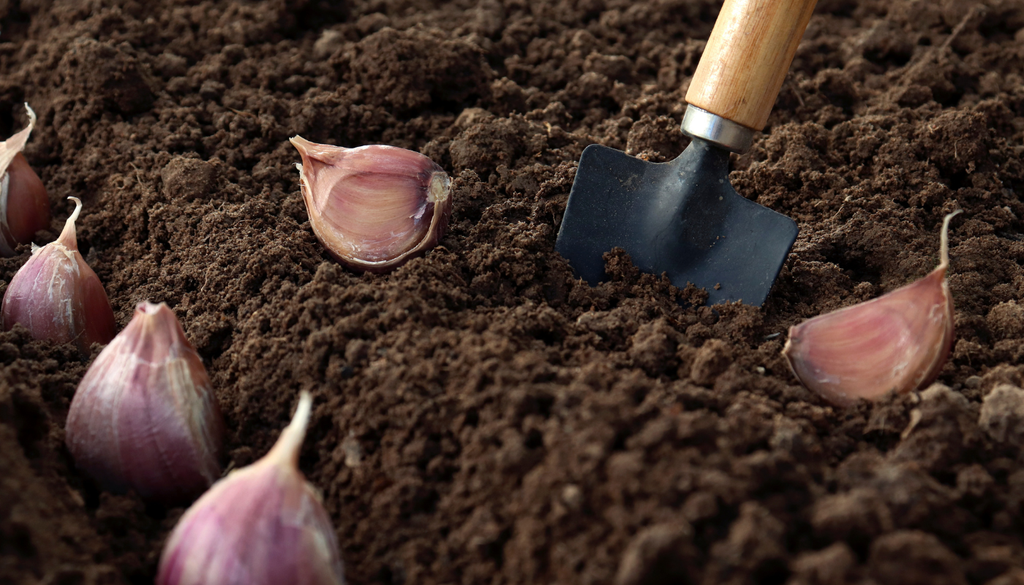
Next come garlic, onions, leeks, fava beans and peas. Planting garlic is almost as simple as it sounds: separate the cloves and place each one with the pointed end facing up. Peas may need a small structure to climb, while fava beans benefit from having a little more space.
For those with a little more patience, there’s broccoli, cauliflower, cabbage and kale. These plants enjoy cooler conditions, although they take up more space than you might expect when you first see them as small seedlings.
Buying established seedlings can be a good option if you want to get a head start of several weeks and avoid having young seedlings caught by the cold.
In containers, you can also try growing cilantro, parsley and chives. If you want to get a head start on your spring display, this is also a good time to consider planting some bulbs.
Tulips and daffodils need well-drained soil; as a simple guideline, many bulbs are planted at a depth of about two to three times their height.
Simple care that can save many plants
Before getting started, take the opportunity to remove rotten fruit, diseased plants and crops that have already completed their growing cycle. There’s no need to leave the soil spotless like a freshly swept floor. A layer of mature compost can improve soil structure and replenish some of the nutrients used by previous plants.
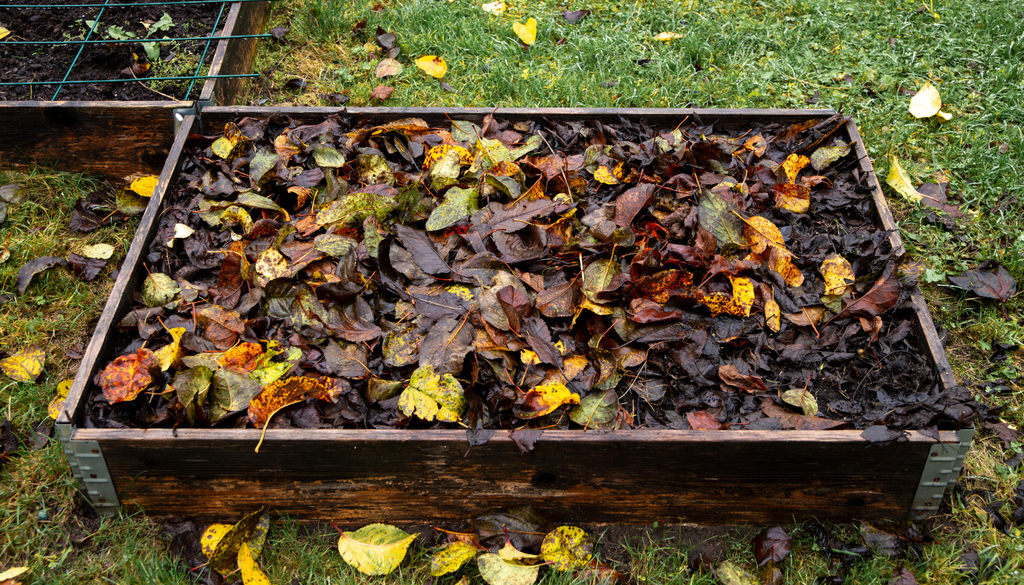
On top, you can add shredded dry leaves, straw or another material as mulch. This layer helps retain moisture, protects the soil from sudden temperature changes and makes it harder for some weeds to grow. It’s a simple practice that, in a small garden, can be done almost entirely with materials you already have at home.
It’s also a good idea to cut back a little on watering. Before reaching for the hose, stick a finger a few inches into the soil: if it’s still moist, you can probably wait. When cold nights arrive, frost cloth can make a difference for young plants, especially those that have just been transplanted.
Don’t worry if someone online says a certain vegetable “must be planted” exactly in October. In a warm region, it may still be too hot, while higher-elevation areas may already be experiencing fairly cold nights.
With a few well-chosen crops, some compost, less watering and a little protection when colder weather arrives, the garden can continue producing throughout the fall season. You don’t need to change everything at once: start with a small area, see how the plants respond and adjust from there. Time to get your hands in the soil!