
You’re Killing Your Cactus: The 3 Fatal Mistakes You Make When Caring for the Desert’s Most Resilient Plant
The cactus may seem like the easiest plant in the world, but in reality, behind its appearance, there are very clear rules you must not break if you want it to stay healthy for years.
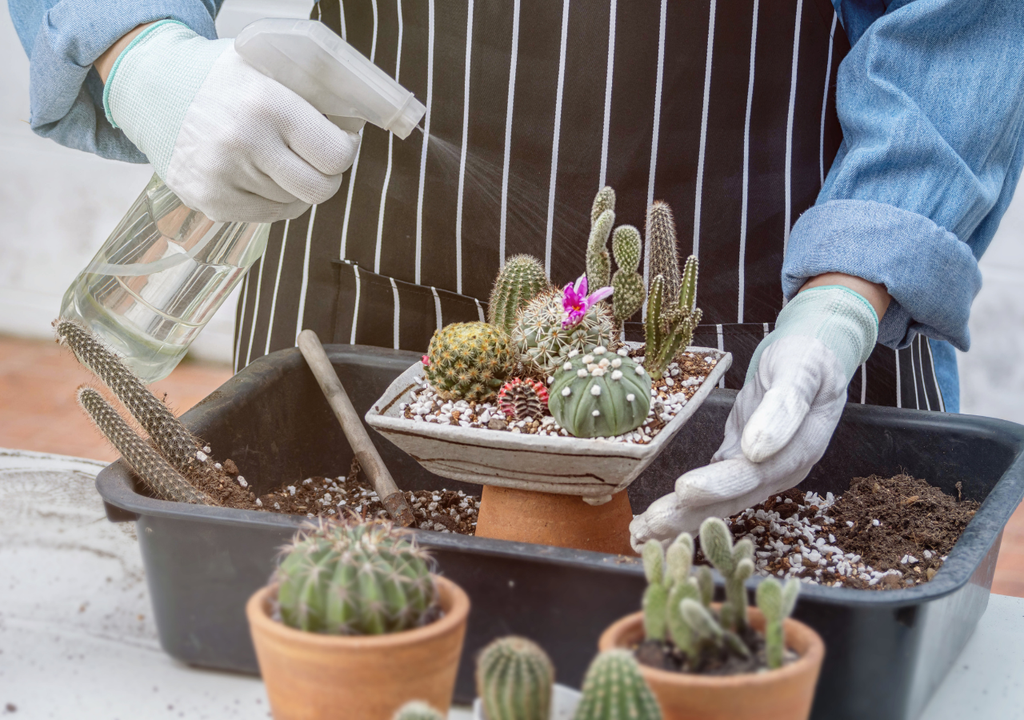
For years, the cactus has carried an unfair reputation. It has been sold as the impossible-to-kill plant, the perfect option for people who “aren’t good with plants” or for those who want greenery without commitment. That reputation has caused millions of cacti to end up wilting on desks, shelves, and balconies.
The problem is not the cactus; the problem is how we understand it. Because it is a plant associated with the desert, many people assume it can survive anything, when in reality it is a species with clear limits and very specific needs.
Cacti do not die quickly, and that is part of the deception. They can spend weeks or even months deteriorating internally before showing visible symptoms, which means that when the damage becomes noticeable, it is often already irreversible. That is why they seem “treacherous” to those who care for them.
Caring for a cactus is not about abandoning it or overprotecting it; it is about understanding how its physiology works, its relationship with water, soil, and light. When these factors are poorly managed, even the most resilient desert plant collapses.
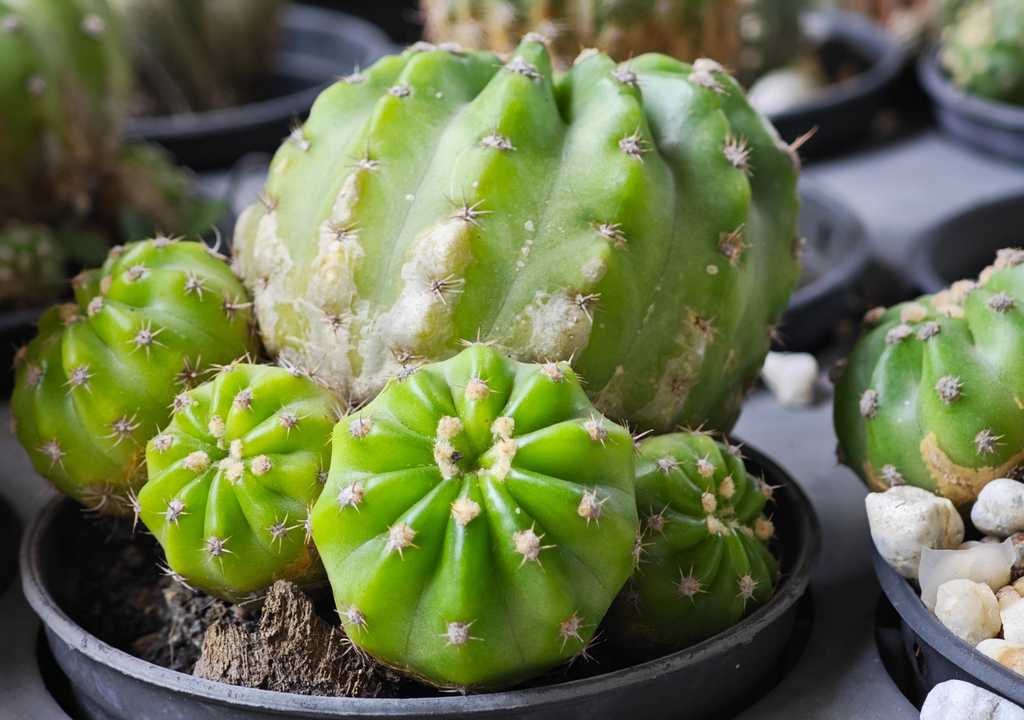
Once this is understood, the cactus stops being a problematic plant and becomes one of the most rewarding. It can stay with you for years, even decades, if its timing and conditions are respected.
The Myth That Cacti Survive Anything
One of the biggest problems in cactus care is the idea that “they can handle anything.” In nature, cacti survive because they are perfectly adapted to their environment, not because they are indestructible. They live in extremely well-draining soils, with occasional rainfall, abundant sunlight, and clear cycles of drought.
At home, we usually recreate the exact opposite. Pots without drainage, compact substrates, constant watering “just in case,” and low-light spaces—and the cactus does not die from lack of care, it dies from too much poorly applied attention.
Fatal Mistake Number One: Overwatering
This is, without question, the number one silent killer of cacti. Watering a cactus as if it were a tropical plant is a slow death sentence. Cacti are designed to store water in their tissues, not to receive it continuously.
When the substrate stays wet for too long, roots stop breathing, an ideal environment for fungi and bacteria develops, and root rot begins. The most dangerous part is that this process happens below the soil surface, with no obvious signs at first.
A cactus with excess water may look normal on the outside for weeks, but internally it is already collapsing. When the stem becomes soft, translucent, or begins to lean, the damage is usually advanced.
The issue is not just the amount of water, but the frequency and drainage. In fact, deep but infrequent watering is much safer than small, constant waterings. During the growing season, many cacti can go two or three weeks without water with no problem at all.
Another common sign is a change in color. When yellowish tones, light brown areas, or dark spots appear at the base, they usually indicate root problems. If a cactus wrinkles irregularly, it is not always a lack of water; many times it is damaged roots that can no longer absorb moisture.
Fatal Mistake Number Two: Using the Wrong Substrate
The second major mistake is planting cacti in “regular soil.” Many already come poorly planted from nurseries, which dooms their future. A cactus needs an extremely well-draining substrate, closer to mineral soil than to organic earth.
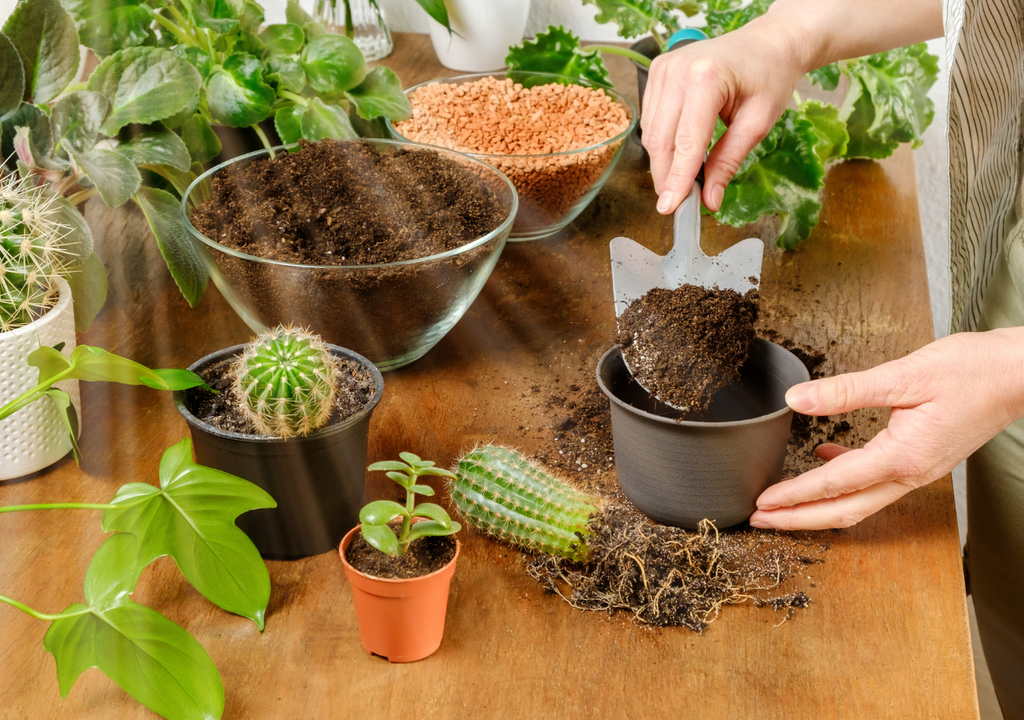
In their natural habitat, cacti grow in poor soils, with gravel, sand, rock fragments, and very little organic matter. When we place them in compact substrates loaded with peat or compost, water remains trapped for too long.
A good cactus substrate should dry quickly, allow oxygen flow, and not compact over time. Even the best watering routine fails if the substrate is incorrect. This mistake often goes unnoticed because the plant does not show immediate symptoms.
Fatal Mistake Number Three: Giving It Little Light “So It Doesn’t Burn”
This mistake is less obvious, but just as deadly in the long term. Many people place cacti indoors with little light, thinking they will be more “protected.” Most cacti need several hours of intense light per day to stay healthy.
When they do not receive enough light, a phenomenon called etiolation occurs. The cactus stretches, loses its shape, becomes weak, and its tissue thins. It is a desperate response to find light, and an etiolated cactus never returns to its original form.
The key is gradual adaptation. A cactus can burn if it goes from full shade to intense sun suddenly, but that does not mean it should live in dim light. It needs light—and plenty of it.
Caring properly for a cactus means understanding its logic, not imposing ours on it. Little water, excellent drainage, and good light sound simple, but they require observation and patience. Not all cacti are the same, but they share basic principles.
A well-cared-for cactus grows slowly, firmly, and compactly. It does not need constant fertilization or excessive care. In fact, the less you handle it, the better it usually responds. Observation is worth more than any watering schedule.