
A massive global study tracking over 31,000 tree species suggests forests are drifting towards the same few fast-growing “sprinter” types - squeezing out slower natives and weakening biodiversity and carbon storage

A massive global study tracking over 31,000 tree species suggests forests are drifting towards the same few fast-growing “sprinter” types - squeezing out slower natives and weakening biodiversity and carbon storage

The UN has appointed a new chair for the global plastics treaty negotiations, raising hopes the stalled process can move again - with campaigners already pushing for production cuts

An anomaly in the depths of the Indian Ocean 20,000 years ago might have altered the pace of global warming. A study reconstructs how our planet emerged from the last ice age

New chemical measurements from a distant star system shed light on how massive gas giants form.

Researchers use laser technology to reveal pre colonial cities in the Bolivian Amazon, with monumental pyramids, sophisticated canals, and evidence of complex urban development that transforms our understanding of ancient American peoples.
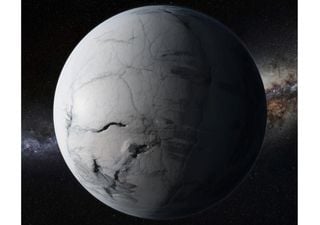
It was thought the Snowball Earth was completely frozen and the climate shut down, but analysis of well-preserved rock suggests that might not have been the case.
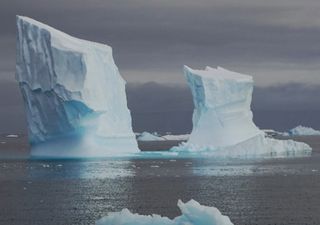
A new AI tool developed by the British Antarctic Survey scientists tracks icebergs from birth to break up for the first time.

Brain research is energy-hungry and often limited by what’s safe to do in healthy people. MIT researchers say a focused ultrasound method could open up deeper, cleaner tests of how awareness is generated

A new study has predicted the economic loss from warmer temperatures in the region hosting this year’s Winter Olympics.

New global data show cooling demand rises fastest at lower warming levels under a mid-range scenario.

The deep sea is one of the least explored parts of the planet, and a new study found that hundreds of undiscovered species live in an area that is being considered for deep-sea mining.
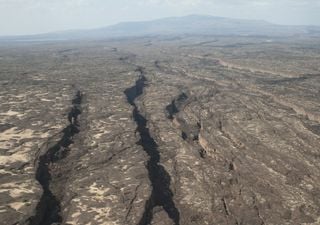
A cutting-edge scientific study reveals that the transition from a humid to a dry climate in East Africa not only alters ecosystems and human communities, but may also be accelerating the continent’s tectonic separation, causing the East African Rift to move faster.