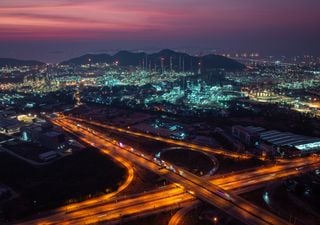
New research provides first evidence of the widespread impact of light pollution on the carbon balance of global ecosystems.

New research provides first evidence of the widespread impact of light pollution on the carbon balance of global ecosystems.

What role could AI play in forecasting secondary quakes following an earthquake?
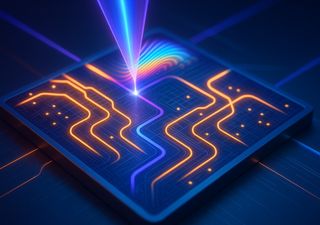
Scientists at Tsinghua University say their new optical engine processes data at 12.5 GHz, slashing AI delay and power in one go
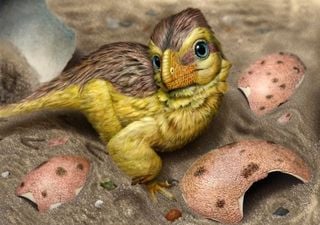
An international collaboration leads to a new, accurate way to date fossil sites.
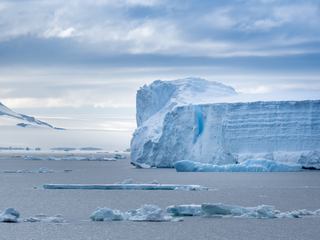
Swirling below the surface of the Thwaites glacier are vortexes of water that account for up to 20 percent of its ice melt, according to new research.
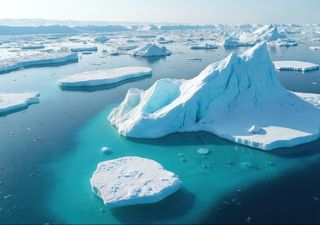
Researchers from the University of Washington have used tiny grains of space dust trapped by ancient ice to map Arctic Ocean shrinking
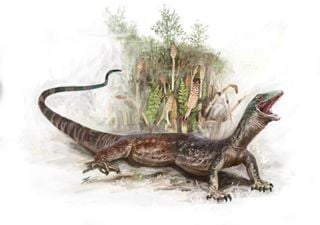
A new fossil from the Isle of Skye displays a curious mix of features from both snakes and lizards and is one of the oldest, nearly complete fossil lizards to date.
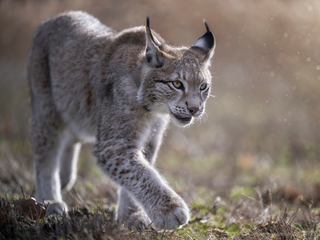
A warmer world has carnivores like bears and bobcats searching for food and water anywhere they can, and that search is likely to end in your own backyard.

Chewing gums release hundreds of microplastics into our bodies and also into the environment. Gum does not biodegrade; it can take up to 25 years to decompose naturally, causing environmental harm.
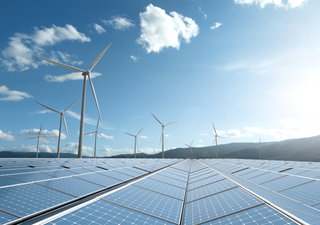
With the reality of clean energy comes the opportunity to move towards a greener future without repeating the mistakes of the past. Can we talk about the energy of progress without burning everything down again?
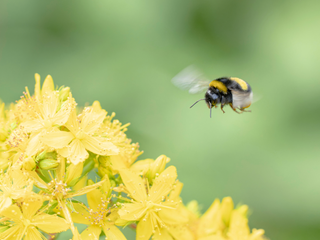
New research shows that bumblebees can learn visual signals in the form of "Morse code" to guide them to finding food. This opens the door to new research about insect brains.
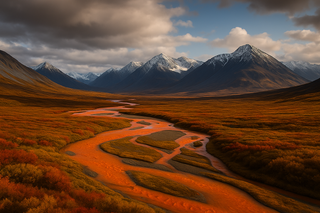
In Alaska, rivers are turning bright orange, a surprising phenomenon that has alarmed scientists who already have a theory that could explain this oxidation.