
Africa is splitting apart: the striking geological phenomenon that will create a new ocean on Earth
The Afar Depression allows us to observe the formation of an ocean in real geological time, teaching us that the Earth's surface is far more dynamic than we might imagine.
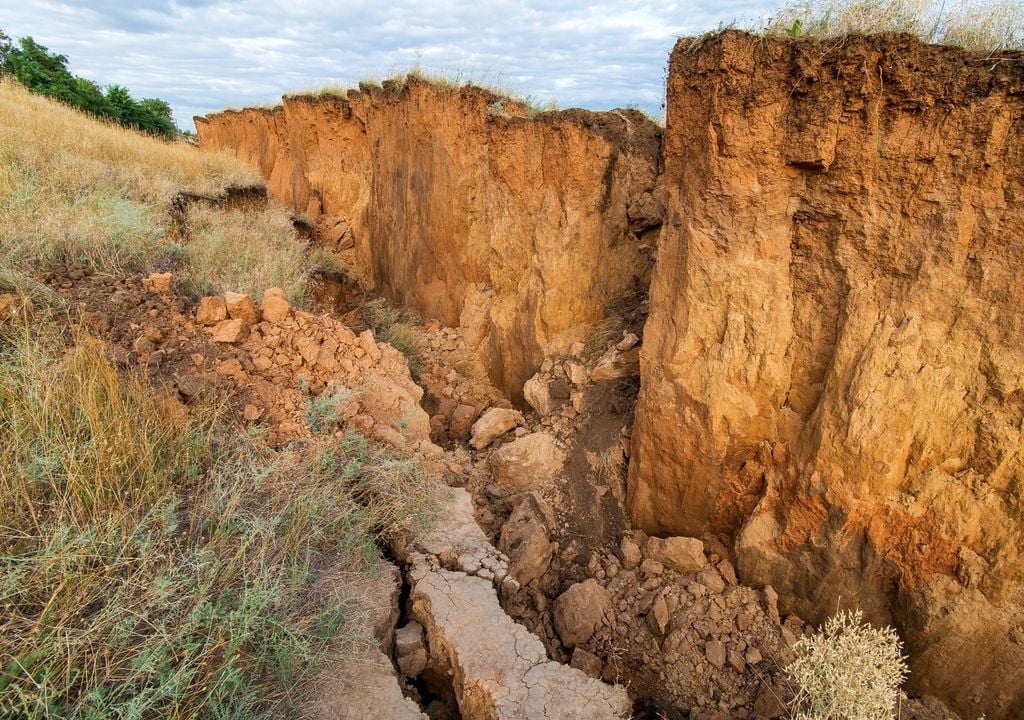
Africa is literally breaking apart in the northeast of the continent, in the Afar Depression in Ethiopia. This unique geological process is forming what will eventually become a new ocean, taking place along the East African Rift, a system of fissures stretching over 6,400 kilometres from the northern part of the continent down to the Mozambique Channel.
Imagine the Earth as a piece of chocolate slowly heating up: it softens and begins to crack from within. This is how Africa is opening, albeit on a timescale that takes millions of years.
The cause of this phenomenon is the movement of tectonic plates, enormous blocks of the Earth's crust that shift very slowly. In the Afar Depression, these plates are pulling apart, and the land opens up, forming cracks and fissures. In 2005, a spectacular event astonished scientists: in just 10 days, a fissure 56 kilometres long and up to 7.5 metres wide opened in the desert.
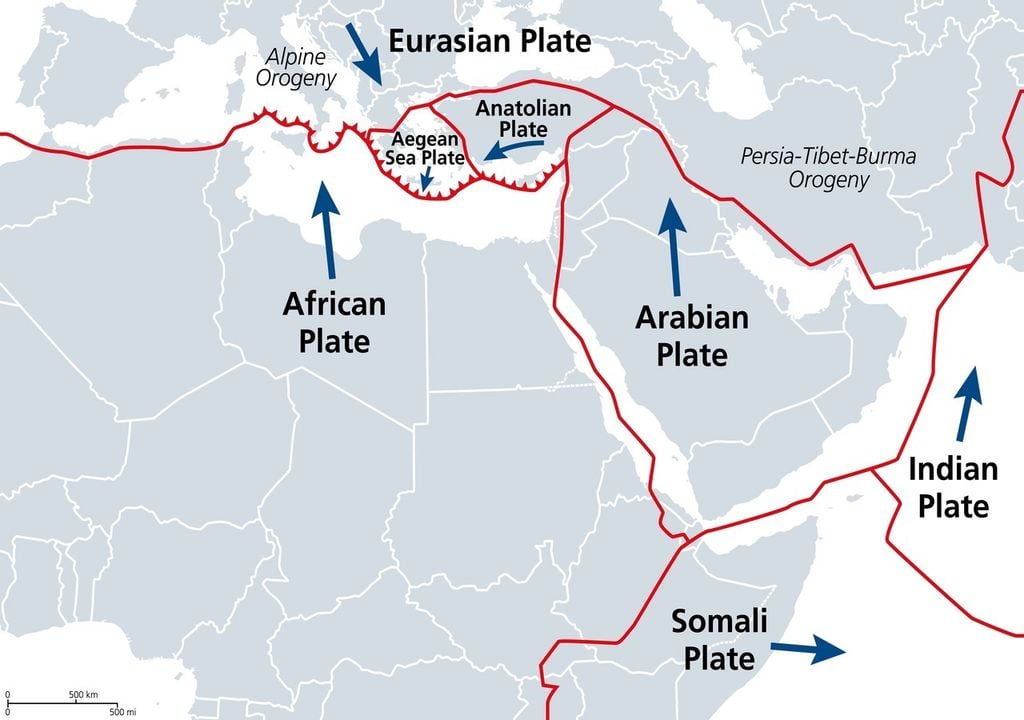
This demonstrated that the Earth's crust can fracture suddenly, not only slowly and gradually as previously believed. The 56-kilometre fissure is like a highway opening abruptly in the middle of the desert, leaving geologists amazed.
A natural laboratory on Earth
The East African Rift is unique because it allows us to study a process that normally occurs beneath the oceans: the formation of oceanic ridges. Volcanoes and geothermal activity show that magma rises in a manner similar to what happens on the sea floor. This makes Ethiopia a natural laboratory, where scientists can observe the creation of an ocean without needing to dive thousands of metres underwater.
A new ocean could form
Over the long term, the process is astonishing. Parts of the region are already below sea level, and only a 20-metre strip of land in Eritrea separates the Red Sea from the depression. Eventually, the sea will flood the area, forming a new ocean.
Some parts of southern Ethiopia and Somalia could separate, creating a new island larger than Portugal. Africa, as we know it today, will be slightly smaller within millions of years.
The driving force: the Earth's mantle
Beneath eastern Africa, there is an extremely hot mantle rising from a depth of nearly 3,000 kilometres. This upwelling of hot material pushes the crust upwards, causing land uplift, active volcanoes, and fissures.
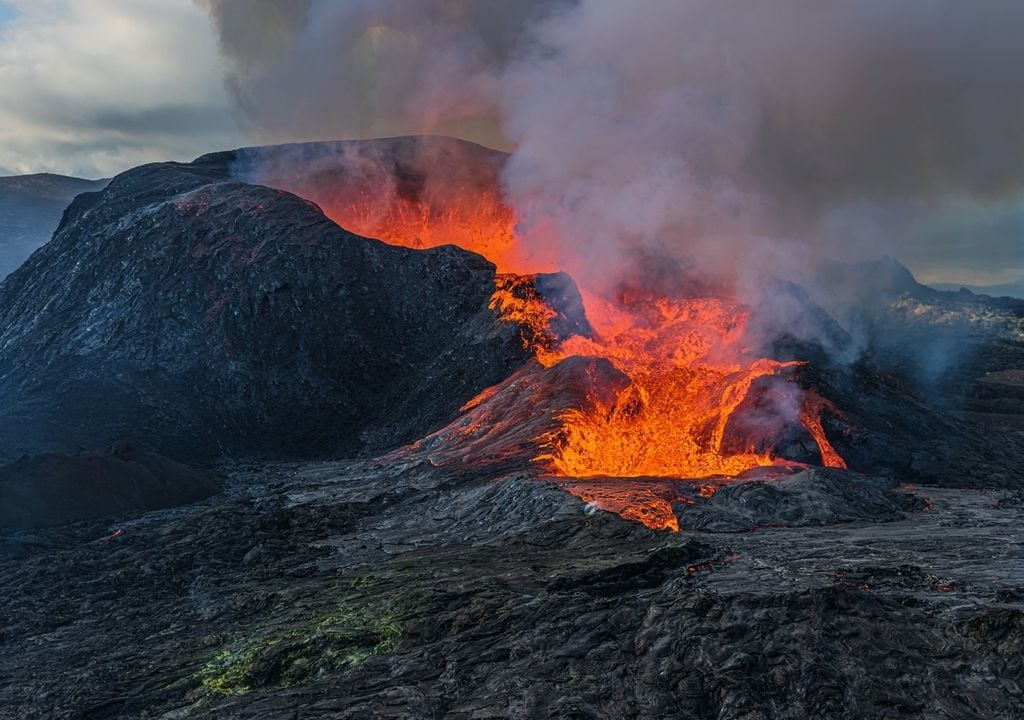
Recent research in Kenya, in the Menengai geothermal field, confirmed that the organic gases and rocks originate from this deep mantle, sharing a common and ancient origin, isolated for billions of years.
Risks and lessons for humanity
Although this process will take millions of years to complete, local communities live close to active volcanoes and fissures that can open suddenly. For this reason, scientists are actively monitoring and studying the region, helping to understand and anticipate seismic and volcanic risks.
This makes eastern Africa a unique setting to learn how oceans are born.
What is happening in eastern Africa serves as a reminder that our planet is alive and dynamic. Continents that seem solid are constantly moving, shaping the future of the Earth. The Afar Depression allows us to witness the formation of an ocean in real geological time, showing us that the Earth's surface is far more changeable than we imagine.
References of the news
Neon Isotopes in Geothermal Gases From the Kenya Rift Reveal a Common Deep Mantle Source Beneath East Africa. 2 de mayo, 2025. Chen, B., Györe, D., Mutia, T., y Stuart, F.M.