
Climate Change Is Bringing Wildlife Into Your Backyard, According To A New Study
A warmer world has carnivores like bears and bobcats searching for food and water anywhere they can, and that search is likely to end in your own backyard.
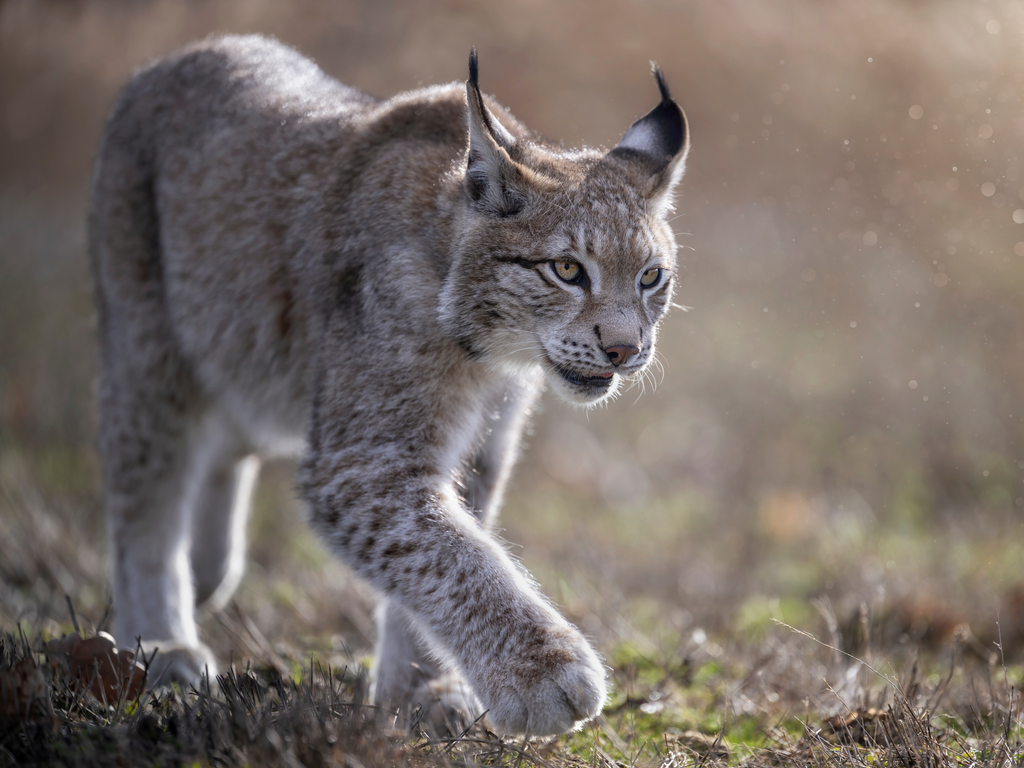
Climate change is impacting large aspects of not only humans' daily lives, but also the daily lives and survival of wild animals. During extremely dry periods, animals are desperate to find water and food wherever they can be found.
The search for survival is leading them to human-inhabited areas as resources are exhausted in their own natural environment. This is according to a new study from a team at the University of California, Los Angeles.
Decreased Rainfall Increases Animal Encounters
The authors of the study published in the journal Science Advances found that for every inch of annual rainfall decrease, there was a 2 to 3 percent increase in encounters with carnivores during drought years.
This conclusion came from the analysis of seven years of Wildlife Incident Reporting data from the California Department of Fish and Wildlife. The team had to decide what counted as a "conflict" and decided to analyze those reported as property damage incidents or "nuisances".
Theres a healthy literature examining the potential role of climate change as a risk multiplier for conflict between humans. But what about between humans and wild animals?! This new study has an answer!
— Ryan Katz-Rosene, PhD (@ryankatzrosene) November 14, 2025
A future with increasingly severe and frequent droughts could lead to pic.twitter.com/CugnHgbqZK
This study did not include general animal sightings or lower-level concerns in its findings. And when it comes to actual attacks, those events are very rare, according to the researchers.
Though even the data chosen to be included could be skewed, as some people may think that an animal grazing in their garden isn't an issue, while a neighbor might say it is property damage.
Climate Change Intensifying This Problem
Regardless of how an encounter is defined, the conclusion is quite definite: animals are moving into human spaces during drought and events surrounding it, like fires.
“Climate change will increase human-wildlife interactions, and as droughts and wildfires become more extreme, we have to plan ways to coexist with wildlife,” said lead author Kendall Calhoun in a news release. “Animals coming into human spaces are generally framed as wildlife trying to take resources from humans, but it’s often because we’ve taken the resources away from the wild areas.”
The team suggests that if wild spaces aren't preserved that the number of wildlife encounters will continue to increase as they fight to survive. Ensuring that animals have resource-rich natural areas is likely to keep them from venturing into "human-dominated spaces".
News Reference
Human-wildlife conflict is amplified during periods of drought. Calhoun et al. Science Advances.