
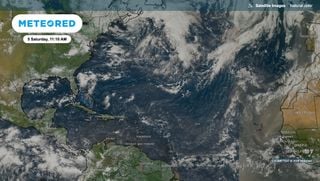
Five tropical storms have formed in the Atlantic so far this year, all of them short-lived. Here's why the season has been so quiet.

Bradlyn Oakes is an award-winning international broadcast meteorologist, climate journalist, and author with over a decade of experience delivering impactful weather and climate stories across media outlets worldwide from the Arctic to Australia.
Growing up in the Canadian Prairies, she was always fascinated with the weather. Her love of storms and tornadoes propelled her to a career in weather, fuelled by her love of science, math, and physics. She graduated with a B.Sc. in Earth and Atmospheric Science from the University of Alberta and a Master's of Media Practice (Journalism and Media Production) from the University of Sydney.
Bradlyn has reported from the field during countless extreme weather events, from historic wildfires and flooding to Arctic cold snaps and powerful cyclones.
Currently, Bradlyn works independently as a freelance meteorologist and climate journalist. And whether she’s chasing severe weather or translating complex forecasts into clear public messaging, Bradlyn combines science, storytelling, and lived experience to help people understand what the weather and world around them.
Five tropical storms have formed in the Atlantic so far this year, all of them short-lived. Here's why the season has been so quiet.
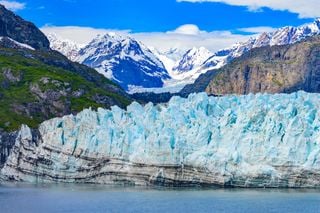
Glacial lakes could increase fourfold over the coming decades, putting more communities across Alaska at risk of outburst flooding.
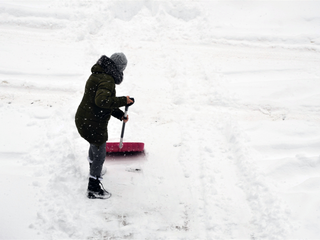
Frigid cold gripped many parts of the country over the last couple of weeks, but it felt even worse for many as the baseline for winter weather conditions has crept up due to climate change.
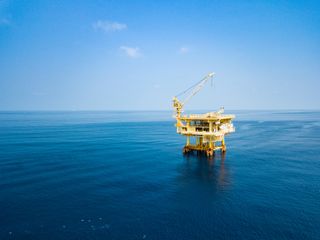
The deep sea is one of the least explored parts of the planet, and a new study found that hundreds of undiscovered species live in an area that is being considered for deep-sea mining.
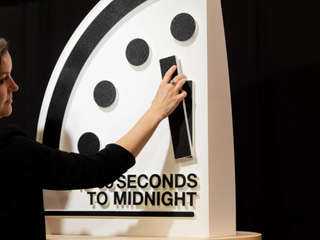
Scientists from The Bulletin of the Atomic Scientists have moved the Doomsday Clock to its closest point to human "catastrophe" in the nonprofit's history.
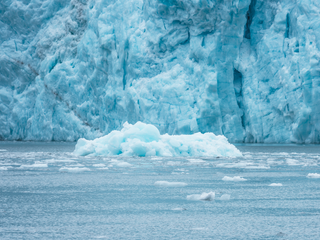
Storm tracks in the Pacific are shifting northward towards the poles faster than previous modelling suggested due to climate change, which is leading to increased heat and glacial melt across Alaska.
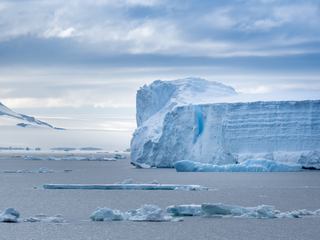
Swirling below the surface of the Thwaites glacier are vortexes of water that account for up to 20 percent of its ice melt, according to new research.
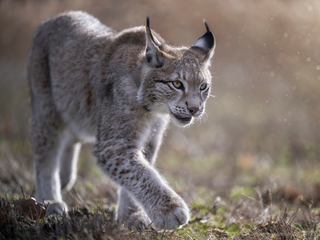
A warmer world has carnivores like bears and bobcats searching for food and water anywhere they can, and that search is likely to end in your own backyard.
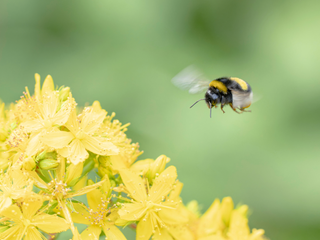
New research shows that bumblebees can learn visual signals in the form of "Morse code" to guide them to finding food. This opens the door to new research about insect brains.
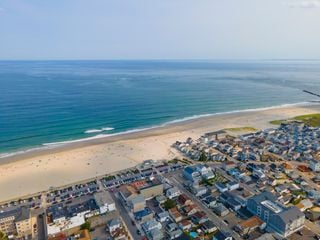
If you want to add a year to your life, it might be time to move to the beach. That's what new research from Ohio State University suggests.
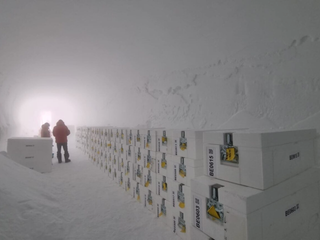
The oldest ice core ever drilled has arrived at the British Antarctic Survey, and researchers are starting the meticulous process of analyzing it for clues to the planet's past climate.
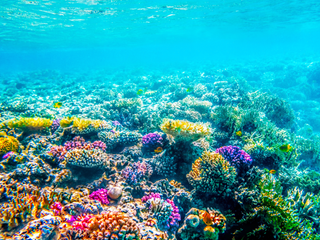
In 2008, scientists first raised alarm bells about sunscreen bleaching coral reefs. Now, new technology in sunscreen might enhance coral instead of hurting them.
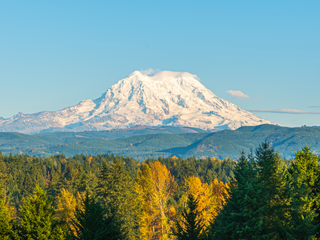
The biggest earthquake swarm since 2009 is being observed at Mount Rainier, but according to scientists, the level of activity is no cause for concern.
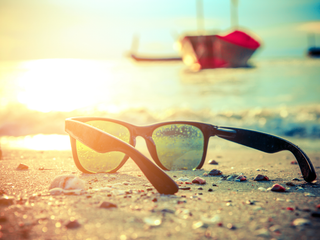
The sun is shining and summer is here, which means protecting your eyes. But choosing the best sunglasses takes a little more thought than grabbing the first pair in front of you.