
A Game-Changer in Sun Care: Sunscreen Promises Strong UV Defense Without Harming Coral Reefs
In 2008, scientists first raised alarm bells about sunscreen bleaching coral reefs. Now, new technology in sunscreen might enhance coral instead of hurting them.
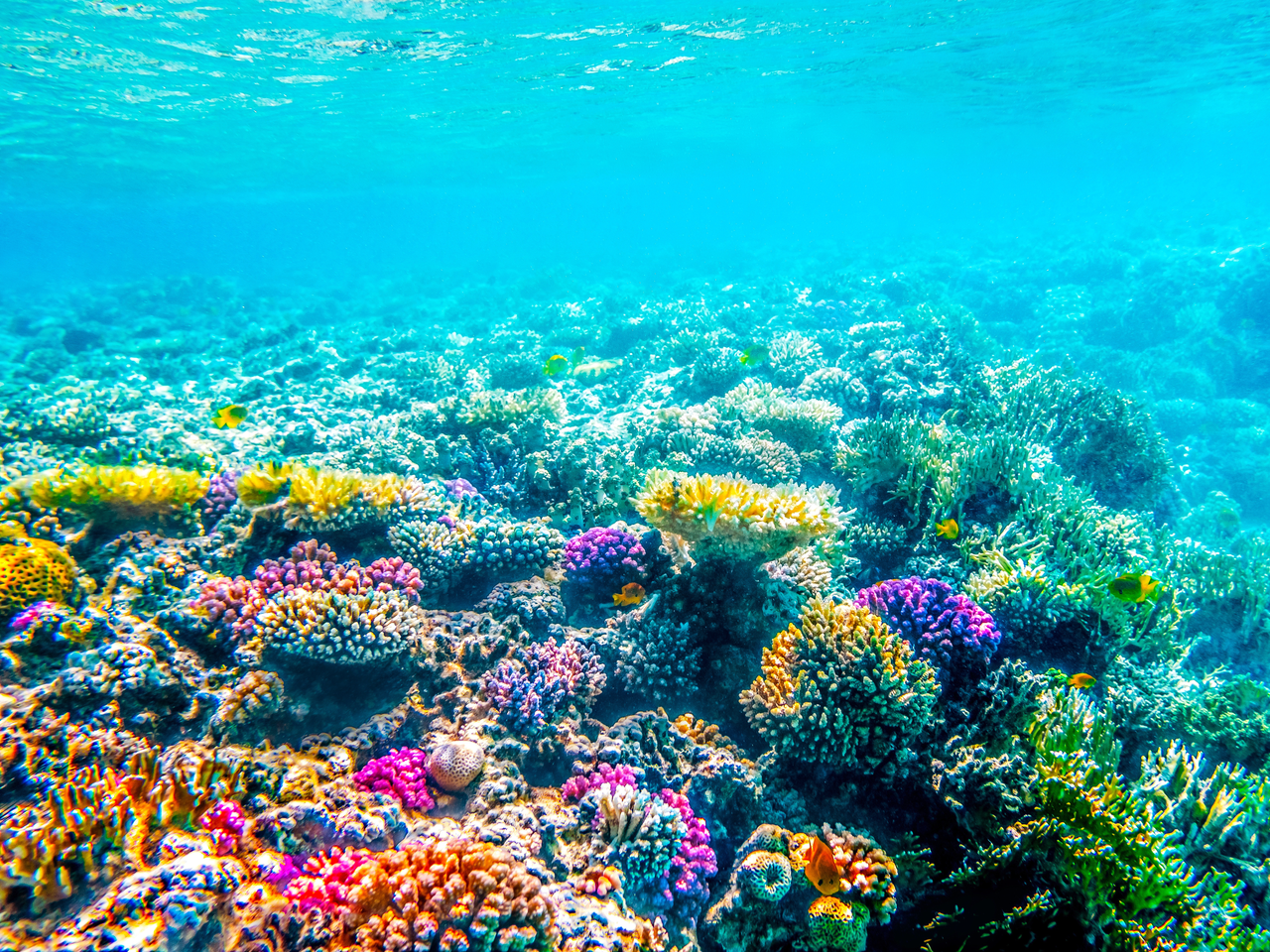
Sunscreen– something that many Americans use daily, especially during the heat of the summer. Splashing in the river, swimming at the beach or wading in the bay, sunscreen provides much-needed UV protection to our skin, but it also washes off and can cause harm to the environment. In the past, there were two options for sun protection: chemical sunscreen and mineral sunscreen. Now, a new sunscreen claims that it can actually help coral reefs instead of harming them.
Coral Bleaching and Sunscreen
Globally, it is estimated that around 14,000 tons of sunscreen enter waterways each year, either from swimmers or wastewater. The first major study to show that corals around the world were being impacted by sunscreen was done in 2008. The scientists found that sunscreen causes bleaching in coral reefs. This study was conducted in a lab, yielding results that were far from perfect. However, subsequent studies have demonstrated the significant impacts of sunscreen on marine life.
Guarding our Maui coastlines and coral reefs is simple! Grab your sun hat & Hawaiʻi-bought reef-safe sunscreen! All sunscreens sold in Hawaii are prohibited from containing oxybenzone and octinoxate that cause coral bleaching and fish who cant or dont want to reproduce. pic.twitter.com/a4OAuHlPKU
— Maui Visitors Bureau (@mauivisit) January 7, 2022
A 2015 study done by a team of international scientists in the U.S. Virgin Islands showed that a major ingredient in chemical sunscreens and skincare products, oxybenzone, had major toxic effects on coral reefs. The study published in the journal Archives of Environmental Contamination and Toxicology concluded that oxybenzone caused deformities, changes to the coral’s DNA, increased susceptibility to bleaching and abnormal growth. Other chemical compounds that can harm corals and marine life include Octinoxate, Octocrylene and Benzophenone-1.
For many years, mineral sunscreen looked to be the safer, more environmentally friendly option. The zinc oxide or titanium dioxide used for sun protection in these sunscreens contains larger particles that can’t penetrate coral reefs. But studies have shown that they aren’t perfect, and these can also impact marine life, especially if they contain smaller particles for sun protection.
New Sunscreen Game Changer?
This year, a new sunscreen developed in partnership with biologists at the University of Derby claims that it can help corals grow. The team, led by Professor Michael Sweet, originally was working on creating a science-backed rating system for reef-safe sunscreens, and found during their research that some of the nutrients in these safe sunscreens actually helped the coral grow.
Reef Protection Factor launched the other day https://t.co/9xld4i5480 - an independent accreditation protocol which will give consumers (and manufacturers) confidence in their sunscreens environmental impacts https://t.co/qyFOF6citc @DerbyUni pic.twitter.com/tfeW8zR9ln
— Prof. Michael Sweet (@DiseaseMatters) April 26, 2025
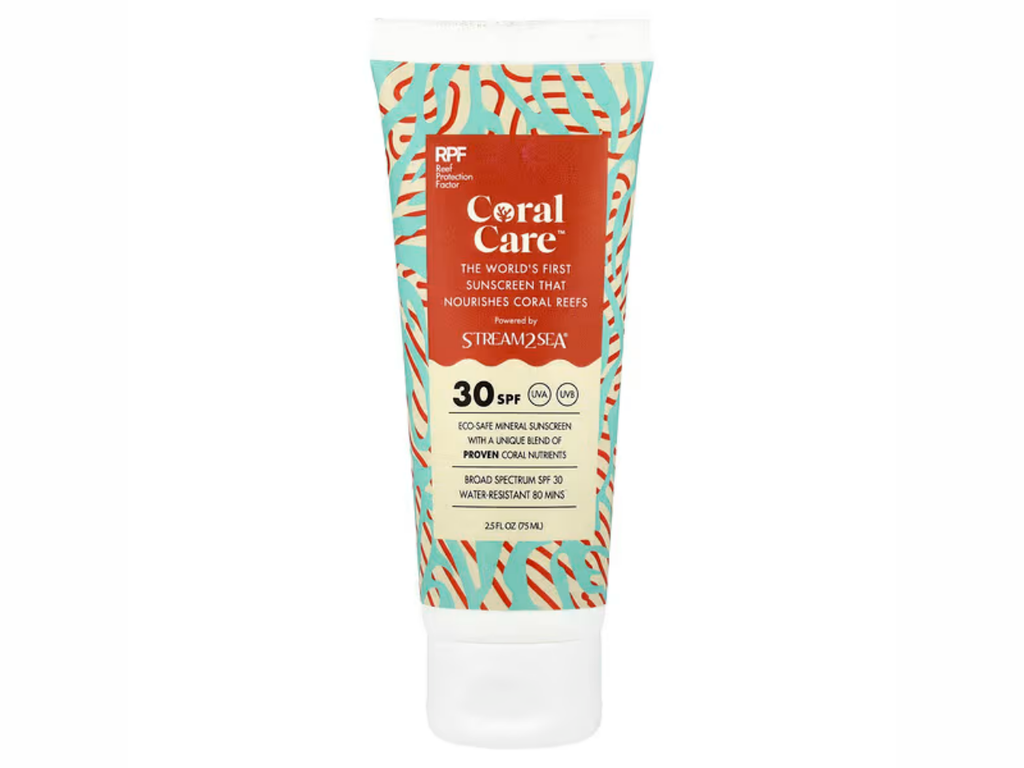
Though real-world testing is still being completed, this product could change how sunscreen impacts marine life.
What To Look For In A Reef-Safe Sunscreen
Whether you buy Coral-Care or another reef-safe alternative, it is important to look out for the following chemicals that could be harmful to marine life, including:
- Oxybenzone
- Benzophenone-1
- Benzophenone-8
- OD-PABA
- 4-Methylbenzylidene camphor
- 3-Benzylidene camphor
- nano-Titanium dioxide
- nano-Zinc oxide
- Octinoxate
- Octocrylene
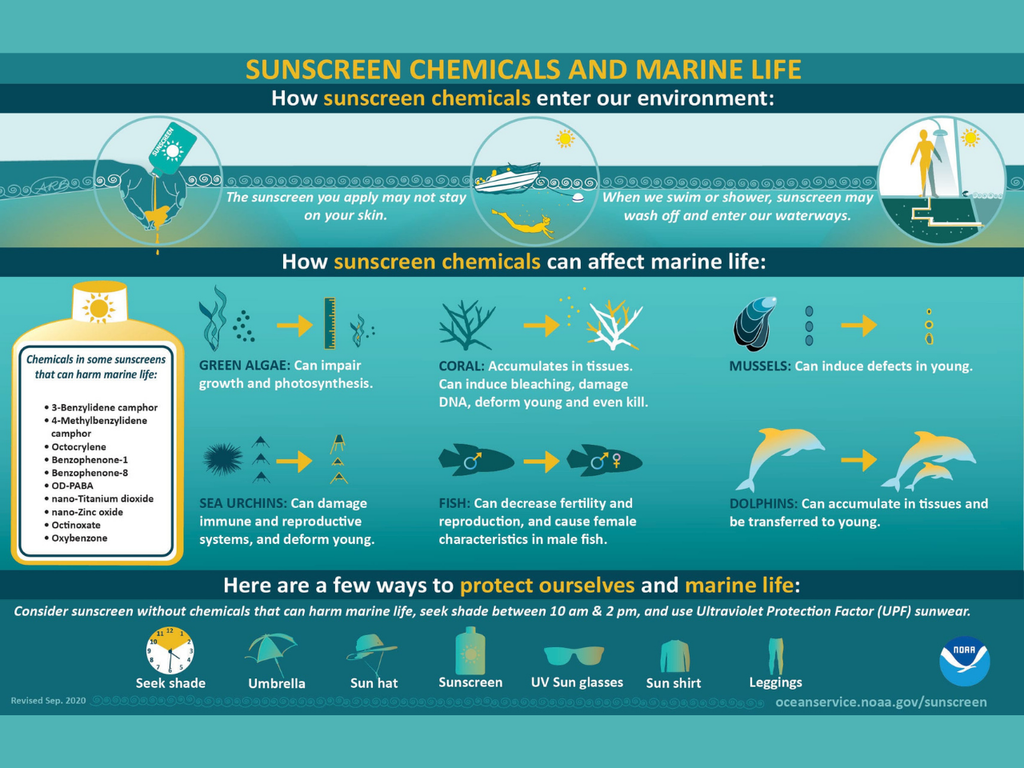
These reef-safe alternatives won’t help marine life from the greater threat of warming sea surface temperatures from climate change, but they can make a big difference to coral reefs.
News Reference:
Coral-Friendly Sunscreen. BBC Science Focus.