
Renewables hit a record in 2025 but the world is still way off its 2030 climate target, report finds
The world added more renewable power in 2025 than ever before, but according to a new report by IRENA, that's still nowhere near fast enough to hit the pledge countries signed up to at COP28
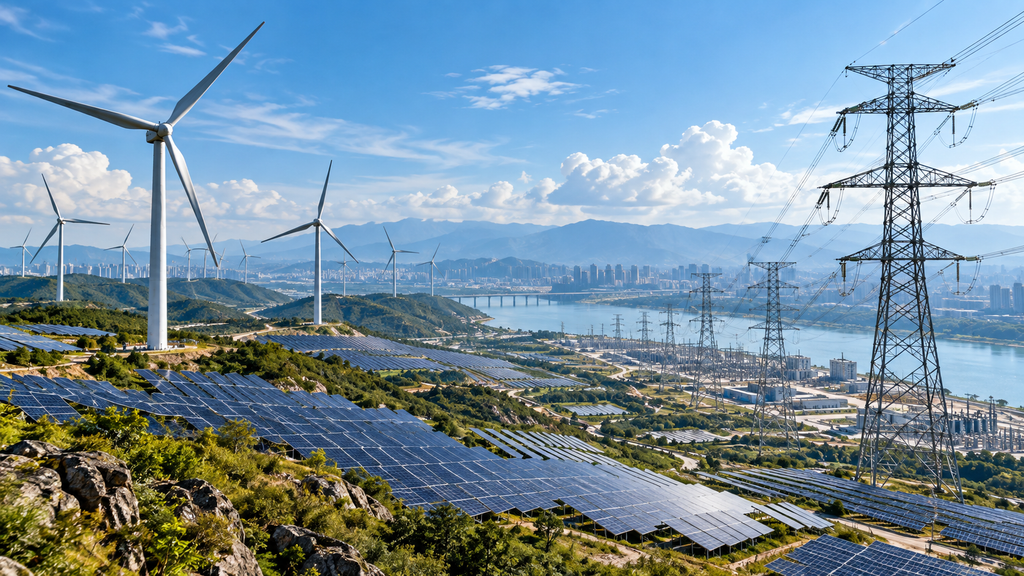
Back at the COP28 climate summit in Dubai in 2023, more than 100 countries signed a pledge to triple the world's renewable energy capacity by 2030, making headlines around the world.
It was one of the main events of the talks, and the good news is that it seems to have worked so far, as renewables have kept growing since then. That's according to a new report compiled by the International Renewable Energy Agency (IRENA), and COP31 Presidency and the Global Renewables Alliance, which say the world added a record-breaking 690 gigawatts of renewable power capacity in 2025.
However, the report has also found that's still not enough.
Still less than halfway there
The report has established that to actually meet the tripling pledge of renewable energy capacity, the world would need to install roughly 1,200 GW of new renewable capacity on average every single year through to 2030. So basically, the current pace needs to almost double.
Total global renewable capacity reached 5.15 terawatts by the end of 2025, the report said. The target needed to meet the pledge is 11.2 TW, which means the world is still less than halfway there with only a few years left to go.
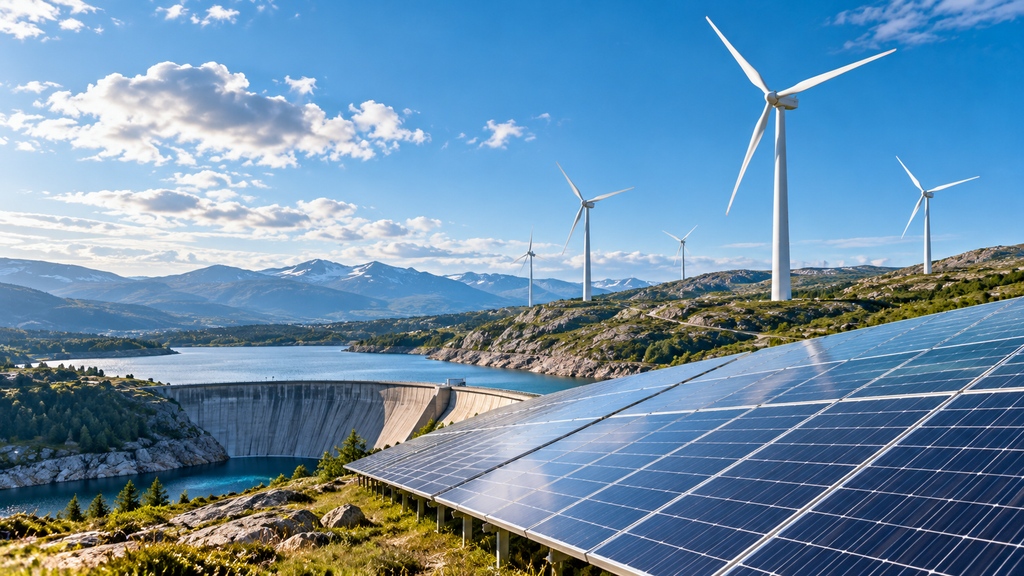
And it's not just renewables lagging behind either, the report found. Energy efficiency is falling short too, with energy intensity improving by around 2% in 2025 - about half the 4% a year needed to meet commitments to double efficiency.
"Renewables can still close the gap towards 2030, but energy efficiency is falling behind, electricity demand is rising faster than expected, and the grid infrastructure has failed to keep pace," said Francesco La Camera, director-general of IRENA.
The grid problem
That point about grids is a big one. According to the report, nearly $1 trillion (£741 billion) a year on average needs to be spent on grid investment between 2026 and 2030, which is almost double the $525 billion (£396 billion) that was spent in 2025. There's not much point building loads of solar and wind if there's no way of getting the power to where it's needed.
Ben Backwell, chair of the Global Renewables Alliance, said governments needed to "make renewables a national economic priority", which includes expanding grids, rolling out more storage and electrifying homes, transport and industry.
News reference
IRENA via Reuters. (September 2026). Global renewable deployment must double to hit 2030 climate target, report says.