
In England, dentists are being encouraged to use less nitrous oxide in order to help protect the climate.
A new study by University College London has analysed the use of nitrous oxide in dentistry in greater detail. Typically, nitrous oxide is used to sedate anxious patients before a dental procedure.
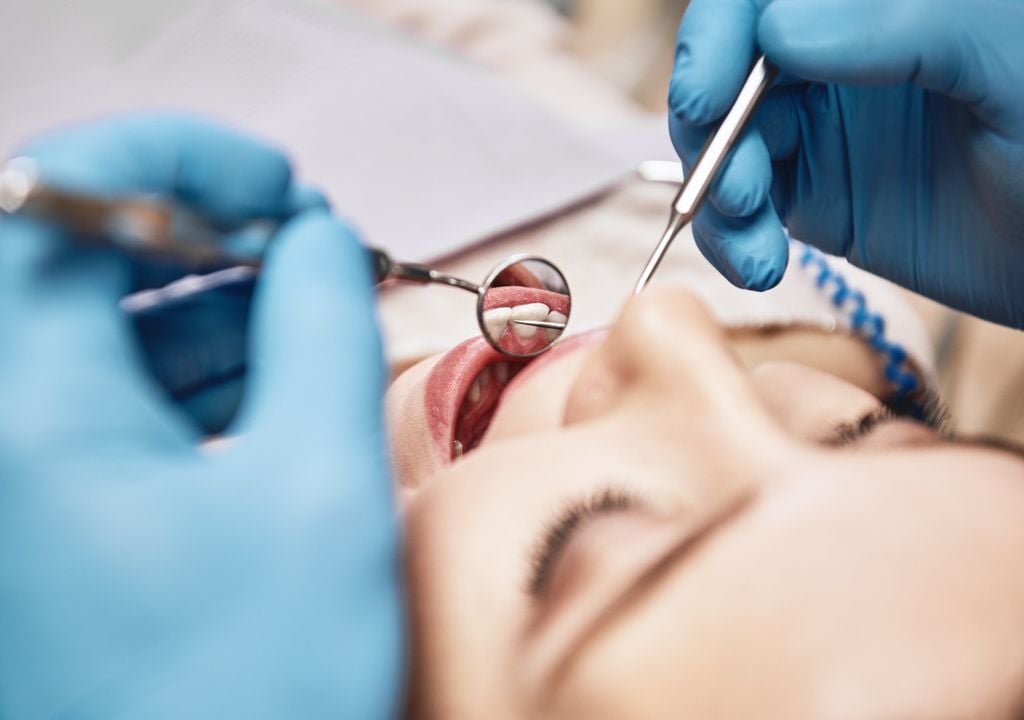
Whether young or old, dental anxiety can occur at any age. Nitrous oxide is commonly administered for treatments such as fillings, crowns, or root canals. Patients do not consciously experience the procedure and only regain full awareness once the uncomfortable situation is over.
It is up to 273 times more harmful than carbon dioxide
However, nitrous oxide is a powerful greenhouse gas. Its impact is approximately 273 times more damaging than carbon dioxide
The research team analysed a dataset of 891 cases collected from 31 dental practices. They were able to determine an average emission of the gas.
A large amount is released directly into the atmosphere
For each sedation appointment, an emission of 28.6 kilograms of carbon dioxide equivalent (kg CO₂e) was recorded. This is roughly equivalent to a car journey of approximately 72.8 miles (117 kilometres).
Overall, the CO₂ footprint for a week of clinical nitrous oxide use ranged from 38.9 to 1,849 kg CO₂e. These large differences are attributed to the individual practices of each dentist.

The high value of 1,849 kg CO₂e is equivalent to the emissions of a 4,709-mile (7,578-kilometre) journey in a petrol car.
The analysis found that there are different methods of administration. A smaller proportion of practices used centralised piping systems. On average, waste was 30 percent higher at sites with piped delivery compared to those using gas cylinders.
Correct handling could save a significant percentage
Finally, the study highlighted large differences in nitrous oxide administration, with flow rates ranging from 1 to 13 litres per minute, without a clear correlation to the age of the patients.
This suggests that many patients may be receiving more gas than they actually need.
References of the news
Helmholtz Klima. (2026). Laughing Gas’ Role in Climate Change. Klimawissen. Klimadialog.
University College London. (2026). Call for dentists to reduce unnecessary nitrous oxide use. Latest News. Home.