
NASA Sends Science Flights Into Storms: See How They Could Sharpen Severe Weather Warnings
NASA scientists are flying directly into powerful winter storms, gathering new data that could help forecasters spot dangerous weather sooner and issue clearer warnings when minutes matter most.
- More information: The NASA Moon Mission Has a New Deadline: Trump’s Presidential Term
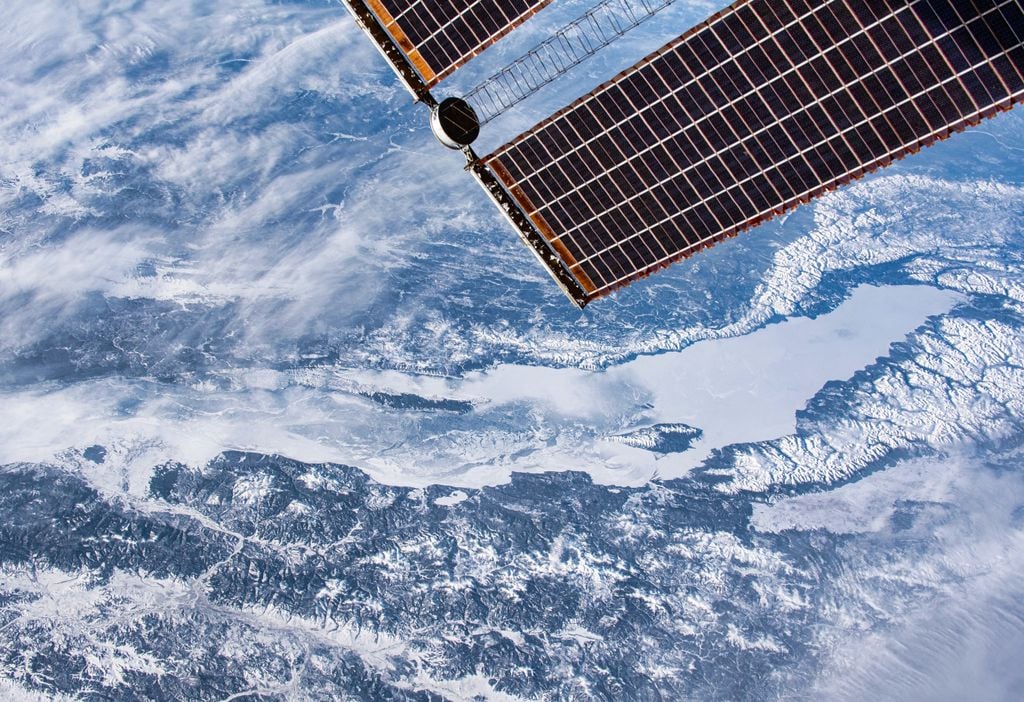
Severe winter storms often develop in regions where routine atmospheric observations are limited. Gaps in data, especially over oceans and high latitudes, can make it difficult to fully capture how these systems evolve. NASA researchers are working to better observe those early atmospheric signals that influence storm behavior.
NASA Launches a New Look at Winter Storms
NASA’s latest research flights mark the start of an ambitious field campaign known as NURTURE, designed to better understand how severe winter storms form and evolve. Scientists are flying aboard a Gulfstream III aircraft from NASA’s Langley Research Center to collect detailed data over Canada, the North Atlantic, and the northeastern United States.
These measurements include moisture, cloud structure, and ozone patterns—factors that often determine the speed and strength of developing storms.
A @NASA research aircraft is helping to improve the models that feed storm forecasts ️
— NASA Earth (@NASAEarth) January 28, 2026
The international mission, called NURTURE, will measure moisture, clouds, and ozone as winter storms develop to better understand severe winter weather. https://t.co/Db1eGzBLFe pic.twitter.com/2FFUgIMJL1
The mission targets a persistent challenge: high-latitude regions are notoriously difficult to observe with satellites alone. Dry Arctic air limits existing space sensors, while surface observations remain sparse. By deploying specialized airborne tools, NASA can capture a sharper, more complete picture of storm ingredients before they come together.
Global Partnerships Strengthen the Mission
The NURTURE flights coincide with an international effort studying how weather systems interact across entire hemispheres. A companion mission out of Ireland, NAWDIC, is examining atmospheric waves and intrusions that influence storm behavior over the North Atlantic. At the same time, NOAA is flying a separate campaign focused on moisture transport from the tropics into the western United States.
Each campaign adds a new layer of understanding—linking small atmospheric features with large-scale flows that eventually shape high-impact winter weather. This global approach gives researchers a clearer view of where storms gather strength and when they may become hazardous.
#NASA NASAs NURTURE airborne campaign prepares to study severe winter storms with the G-III aircraft equipped with HALO and CloudCube sensors; a 2027 phase will launch the NASA 777 and expand coverage to Europe, Greenland, and the Arctic. NAWDIC and NOA https://t.co/CliNGAuXlZ
— Earthverse (@janirube) January 27, 2026
With improved insights, agencies can issue warnings earlier and more accurately, benefiting emergency managers and the public before dangerous conditions unfold. The missions also demonstrate how NASA’s airborne tools could inform future space-based weather sensors, widening long-term forecasting power.
Advancing Severe Weather Preparedness
NASA scientists emphasize that better storm forecasting is a matter of both safety and economic stability. Severe winter weather threatens critical infrastructure, disrupts travel, and impacts supply chains. As lead researchers note, stronger observational tools help forecasters anticipate major events sooner, giving communities more time to prepare.
Data gathered through NURTURE will ultimately be used to refine weather models that drive alerts for cold outbreaks, windstorms, heavy snow, ice, and extreme precipitation. The mission illustrates NASA’s broader goal of using science to protect the public and improve real-world decision-making.
News reference:
Hatfield, G., C. "NASA Science Flights Venture to Improve Severe Winter Weather Warnings" https://www.nasa.gov/missions/airborne-science/nasa-science-flights-venture-to-improve-severe-winter-weather-warnings/