
The Number of Fires Burning in the Arctic is Rising, According to NASA Researchers
The Arctic is seeing fires burning larger, hotter and longer than they ever have in previous decades, according to NASA researchers. This can be tied to the region’s rapidly changing climate.
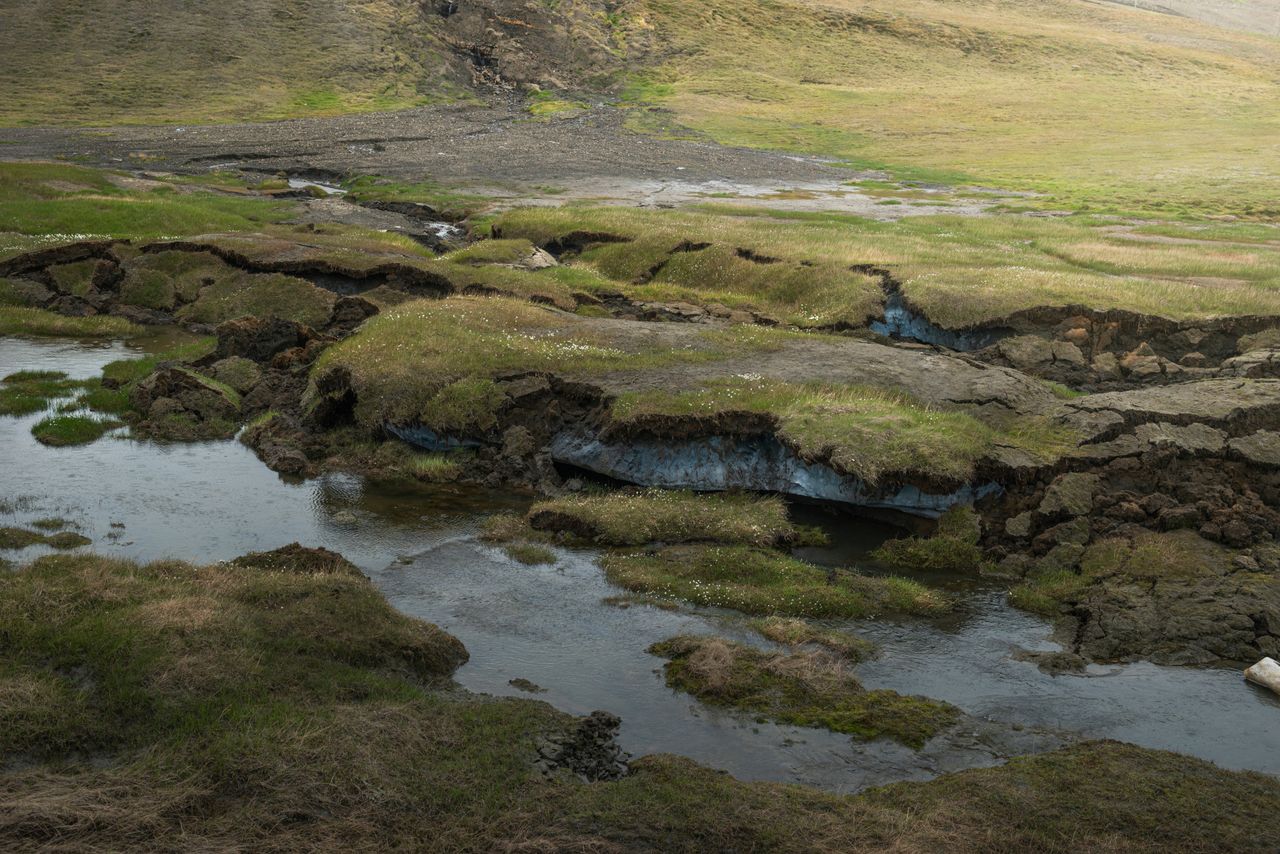
The Arctic is warming 4x faster than the global average. This directly impacts rain and snow in the region and decreases soil moisture, making the land more flammable. Lightning is the primary ignition source of Arctic fires, which are also occurring farther north.
Arctic Fires
According to Jessica McCarty, Deputy Earth Science Division Chief at NASA’s Ames Research Center and an Arctic fire specialist, “Fire has always been a part of boreal and Arctic landscapes, but now it’s starting to act in more extreme ways that mimic what we’ve seen in the temperate and the tropical areas.” McCarty is also the lead author of the report published in 2025 by the Arctic Monitoring and Assessment Program (AMAP).
The concern isn’t how many fires are burning, but rather how hot they’re burning. “It’s the intensity that worries us most because it has the most profound impact on how ecosystems are changing,” explains Tatiana Loboda, chair of the Department of Geographical Sciences at the University of Maryland.
Much of the vegetation in the Arctic is covered in snow during the winter and thaws in the spring. Vegetation dries out in sunlight. When given an ignition, like a lightning strike, fire can fuel quickly.
New Arctic Report
The 2025 AMAP report showed that increasingly flammable landscape combined with more lightning strikes is leading to larger, more frequent and intense fires than the landscape can handle. Brendan Rogers, senior scientist at the Woodwell Climate Research Center, “There is variability year to year, but across the decades we are averaging about double the burned area in the North American Arctic compared to the mid-20th century.”
The Arctic is accustomed to low-intensity fires, which leaves most of the forest standing so the upper soil levels can recover quickly. Intense fires can kill off trees and can trigger secondary succession, where new species replace those that died. These intense fires burn deep into the carbon-rich soil and accelerate snowmelt.
Researchers began observing fires consistently sparking in the Arctic as early as late March, which is much earlier in the year compared to historical records. Loboda explains, “A lot of areas now burn two, three, or even five times during a very short period. It’s an immense impact: It’s happening across the tundra and the boreal regions, and these areas can’t recover.”
Implications of the Arctic Burning
Peat is thousands and thousands of years old. When the glaciers retreated at the end of the last ice age, they left behind deposits of trees and other organic matter that have partially decomposed to form the carbon-rich soil. Layers of deposit built up into peat, which is the primary Arctic soil ingredient.
Holdover fires, colloquially known as zombie fires, are when intense fires burn into deep peat deposits and the remnants of the fire stay alive throughout the winter. They appear contained on the surface but continue underground through the winter and reappear on the surface in the spring.
Permafrost is ground that remains constantly frozen year-round, and can be older than the human species. Permafrost has been storing ancient organic matter and carbon for millennia. As the Arctic warms, thaws and burns, the stored carbon in peat and permafrost is released into the atmosphere. Arctic peat and permafrost store twice as much carbon as the entirety of Earth’s atmosphere.
“This is old ice — ice that is part of our hydrologic system and formed in a homeostasis of climate that we as a species grew up in. There will be changes that we can’t predict: humanity has not experienced the climate the planet is heading towards,” says McCarty.