
Psychiatry experts: the biology of attachment explains why Punch’s loneliness moves us so deeply
The biology of attachment helps us understand why the loneliness of Punch, the abandoned monkey clinging to his soft toy that has gone viral, touches us so profoundly through our instincts for survival and connection.
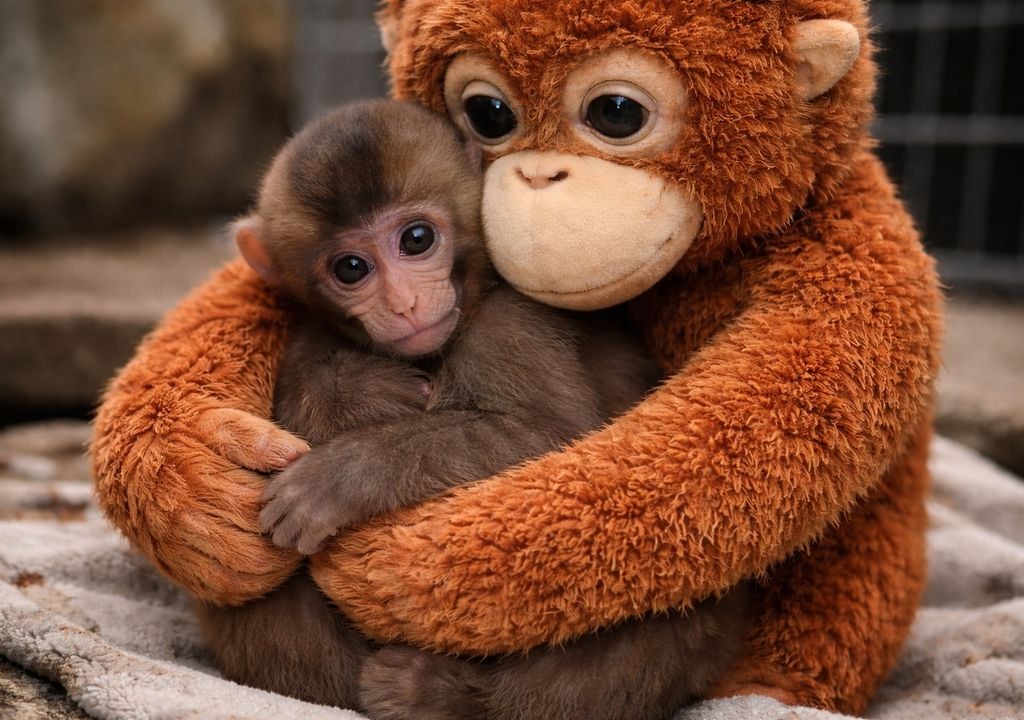
The story of Punch, the young Japanese macaque at Ishikawa Zoo, who went viral after being abandoned by his mother and clinging to a stuffed toy for comfort, has moved millions of people around the world.
Why has something that at first glance looks like a simple, touching anecdote, a monkey hugging a toy, broken our hearts? The answer lies in a deep biological and evolutionary process: the biology of attachment, a central mechanism in our emotional and social survival.
What is attachment and why does it matter?
Within the framework of evolutionary psychology, attachment theory describes how emotional bonds between an individual and their caregivers are fundamental to social and emotional development. This theory was developed by psychiatrist John Bowlby in the second half of the twentieth century, drawing on clinical, ethological and biological observations.
Punch delousing his toy is the cutest thing you'll see today.️ pic.twitter.com/pGPR4DsYU0
— The Figen (@TheFigen_) February 26, 2026
More than a simple emotional metaphor, attachment is an adaptive biological system. From our earliest days of life, the search for proximity to those who care for us is not optional but an innate response that increases our chances of survival.
The biology of attachment operates through brain circuits that drive us to seek contact, protection and safety when we feel threatened, insecure or isolated. This behaviour, observed in many social species, helps maintain physical and emotional closeness with figures that provide care and protection.
Punch and attachment: an instinctive reflection
What makes Punch’s story so moving is not simply the tenderness of a monkey hugging a toy, but what that gesture reveals about the nature of attachment. After being rejected by his mother, Punch needed something that could help regulate his emotions, make him feel safe in an uncertain environment and calm his nervous system. His refuge was a soft toy that came to represent the lost maternal presence.
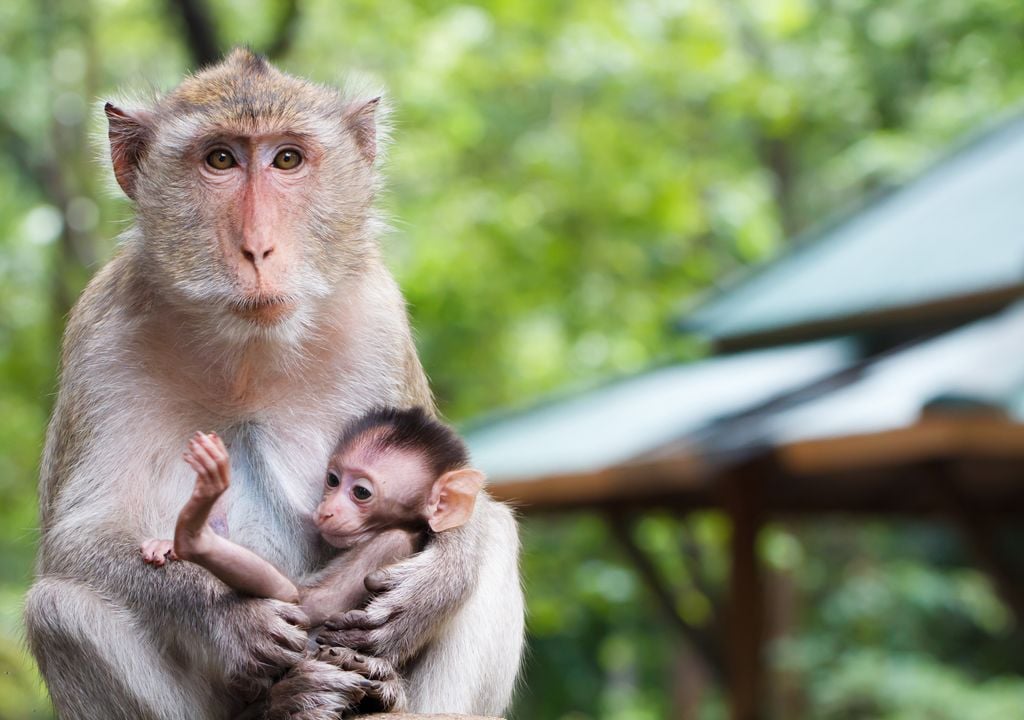
This behaviour is not accidental but a manifestation of the attachment system in action. When a caregiver is not available, the brain searches for substitutes that provide comfort.
Primates, including humans, are biologically equipped with a system that does not switch off in the absence of an attachment figure. Instead, it becomes stronger, pushing us to seek emotional security wherever it can be found.
The experiment that explains everything
The emotional image of Punch hugging his toy recalls the famous experiments conducted by Harry Harlow in the 1950s. The renowned psychologist separated infant rhesus macaques from their mothers and offered them two surrogate “mothers”: one made of wire that provided food and another covered in soft fabric but without food.
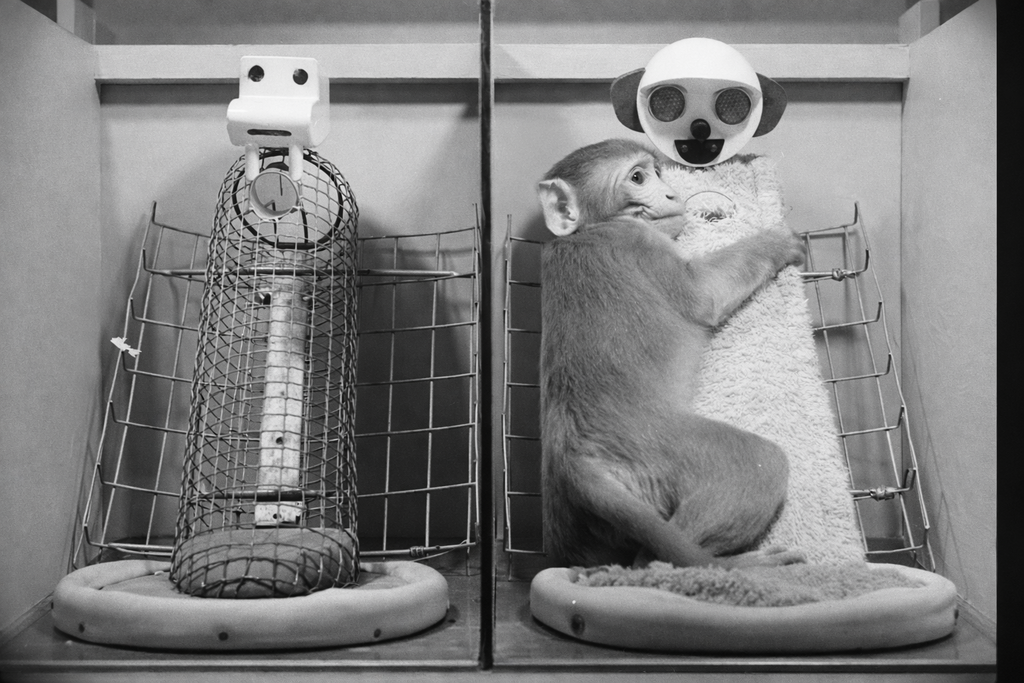
Contrary to what might be expected if attachment were only about satisfying physical needs, the monkeys spent far more time with the soft cloth mother, seeking warmth and physical contact rather than food.
Harlow’s findings helped establish the idea that attachment is deeply linked to the neurobiology of emotional security, not simply to the satisfaction of basic needs such as eating. This explains why a soft object can become a centre of comfort and why the absence of attachment figures causes distress in many forms of social life.
Why Punch’s loneliness affects us so strongly
The empathy we feel for Punch comes partly from recognising in his gesture something deeply human: the search for connection and comfort in the face of loneliness.
Our own biology is designed to value social contact, and when it is missing we experience emotional pain, anxiety or despair. In every embrace from Punch we see reflected our own desire for security, affection and belonging, needs that are written into our brains from birth.

Moreover, Punch’s case acts as an emotional mirror. It reminds us that beyond cultural differences or even differences between species, we share a fundamental biological need to form meaningful bonds that help us navigate the world and face its challenges.
Punch’s struggle to find comfort is not only adorable but also deeply revealing about how emotional bonds are formed and maintained in nature.
More than a viral story
Punch’s loneliness teaches us about the nature of attachment and reminds us that the search for proximity, protection and comfort is an essential biological structure that evolved to ensure the survival of social individuals.
BREAKING: Little Punch the baby monkey has found a new playmatethey seem really bonded.
— Out Of Context Animal (@OOCAnimaI) February 26, 2026
He also seems to be losing a bit of interest in mamas plushie. pic.twitter.com/JW6akdBW7J
In a world where loneliness is becoming an increasingly common experience for many people, the images of Punch clinging to his plush orangutang toy resonate because they touch something universal: the need to feel safe, accompanied and loved.
Spoiler: Punch’s story will have a happy ending. His keepers say he has already started to socialise with the other monkeys and now spends less time with his toy, something that any parent of teenagers will probably recognise.