
That 'magic eraser' sponge in your kitchen could be releasing millions of plastic fibres, experts warn
White 'magic eraser' sponges that clean without needing soap are actually breaking apart as you use them, and where those tiny pieces end up is starting to concern scientists, fresh research reveals
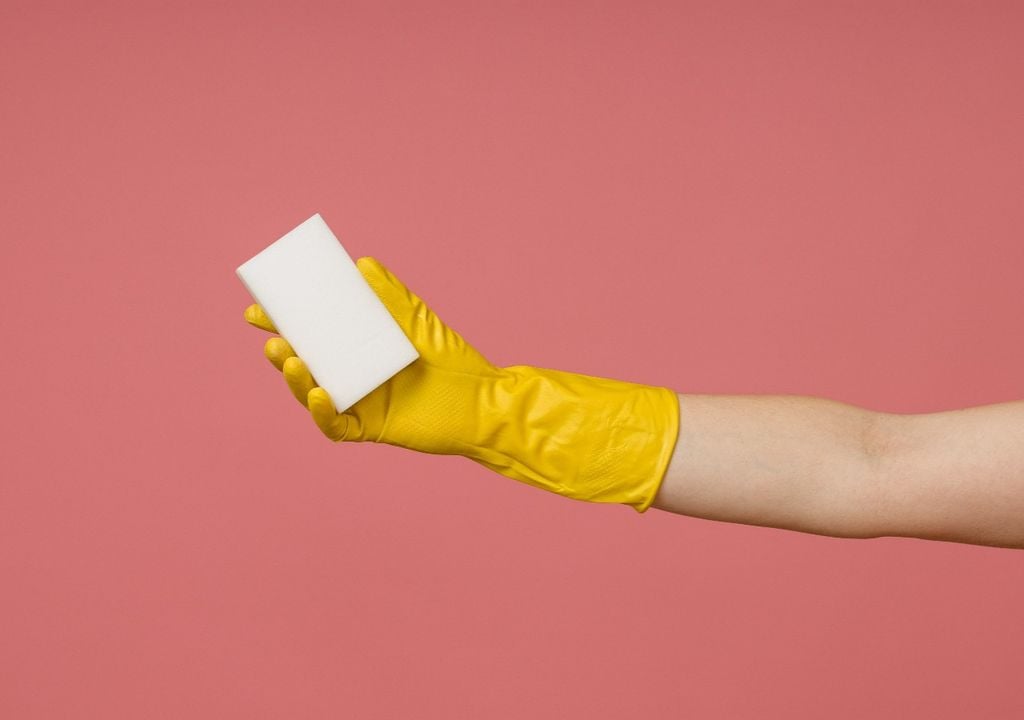
Those who have used a melamine sponge know that they can be super effective, which is probably why they've become a kitchen and bathroom staple in millions of households. But the reason they work so well is also the reason researchers are now flagging them as a potential environmental problem.
These melamine sponges are made from a rigid polymer that forms a web-like internal structure of plastic strands, and even though they feel soft to the touch they essentially work like extremely fine sandpaper, physically scraping away dirt rather than dissolving it with chemicals.
The catch, however, is that the sponge itself wears down every time you use it, and a freh study has found that as it breaks apart it sheds microplastic fibres that wash straight down the drain.
Numbers that are hard to ignore
Researchers behind the study, Yu Su, Baoshan Xing, Rong Ji and their colleagues, tested several products from three well-known magic eraser sponge brands by scrubbing them repeatedly against rough metal surfaces to simulate real-world use.
What they found was that a single sponge can release roughly 6.5 million fibres per gram of material lost. By assuming the average sponge loses about 10% of its mass over its lifetime, the researchers combined that figure with sales data to calculate the global scale of the problem.
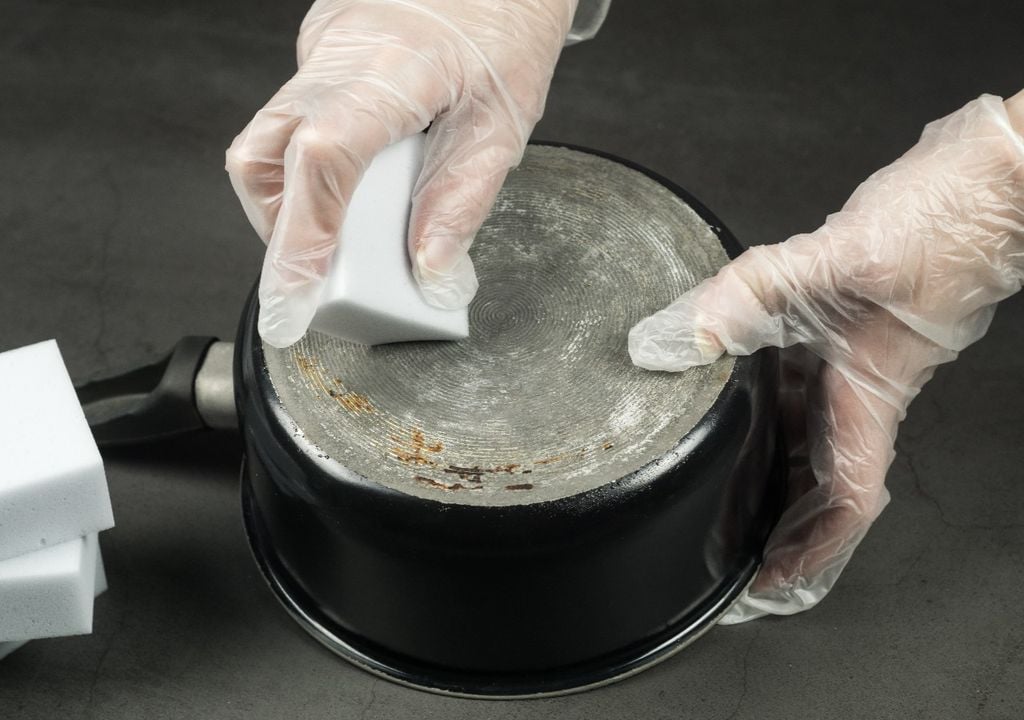
Using Amazon sales from August 2023 as a reference point, the team estimated that melamine sponges could be releasing approximately 1.55 trillion microplastic fibres every single month worldwide. The real figure is almost certainly higher because the estimate doesn't account for sales through supermarkets, discount shops, or any other retailer on the planet.
Once those fibres go down the plughole they enter wastewater systems, and from there they can pass through treatment plants and end up in rivers, lakes and eventually the ocean. Microplastics in waterways get eaten by fish and other wildlife and can work their way up the food chain, which means they could even end up back on our plates.
Can something be done about it?
The study found that sponge density makes a genuine difference – denser sponges held together better during testing and released fewer fibres, while the lighter, cheaper ones fell apart more quickly. That suggests manufacturers could reduce the problem fairly easily by making the sponges more durable.
For consumers, the researchers suggest switching to natural cleaning materials that don't contain plastic, which is the obvious fix even if it means giving up the convenience of something that removes crayon from a wall with ease.
Better filtration in home plumbing or at wastewater treatment plants could also help catch the fibres before they reach open water, the researcbhers suggest, though that kind of infrastructure change is not something any individual can do on their own.
News reference:
Common cleaning sponge found to release trillions of microplastic fibers, published by American Chemical Society, April 2026.