
The hidden history of a sheep killer
Ancient manuscripts like the York Gospels are revealing the 3,500-year history of sheeppox virus, offering scientists new clues about livestock disease, evolution and outbreaks across Europe.
The York Gospels, and other well-known European historic manuscripts, have proven to be time capsules for uncovering the 3,500-year history of the sheeppox virus (SPPV).
Scientists can extract DNA from the animal skins used to make the parchment, and an international team led by University College Dublin have now provided the first genetic evidence of how this disease plagues European farmers’ herds.
What was this virus?
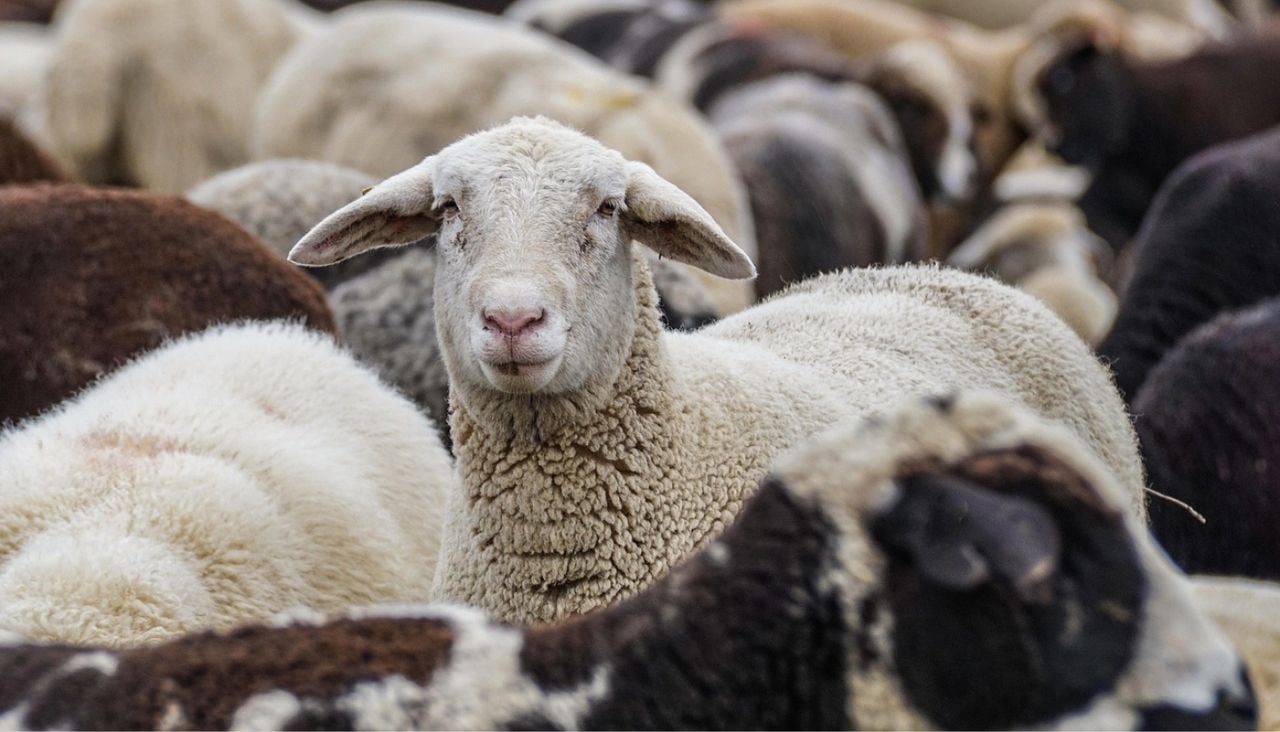
Sheeppox is highly contagious and spreads quickly through a flock. It can cause high mortality rates, especially in younger animals, and reduces the farm's productivity by damaging wool, milk and meat yields.
“The recording of ancient DNA of pathogens has completely changed our understanding of infectious disease in the past, and here we show that parchment can also preserve animal pathogen DNA. It is possible that archives and libraries around the world also contain the genetic traces of disease outbreaks in animals in the past,” said Louis L’Hôte, PhD candidate at UCD.
“These genomes help us understand how these pathogens evolved and how they impacted past societies - such as sheeppox virus, which we show has been affecting Eurasian sheep herds for at least three and a half millennia.”
In the new study, the team reconstructed over 3,500 years of sheeppox evolution, identifying the disease in ancient manuscripts. Among the works they analysed was the 1,000-year-old York Gospels, one of the finest illuminated manuscripts from the early Anglo-Saxon period.
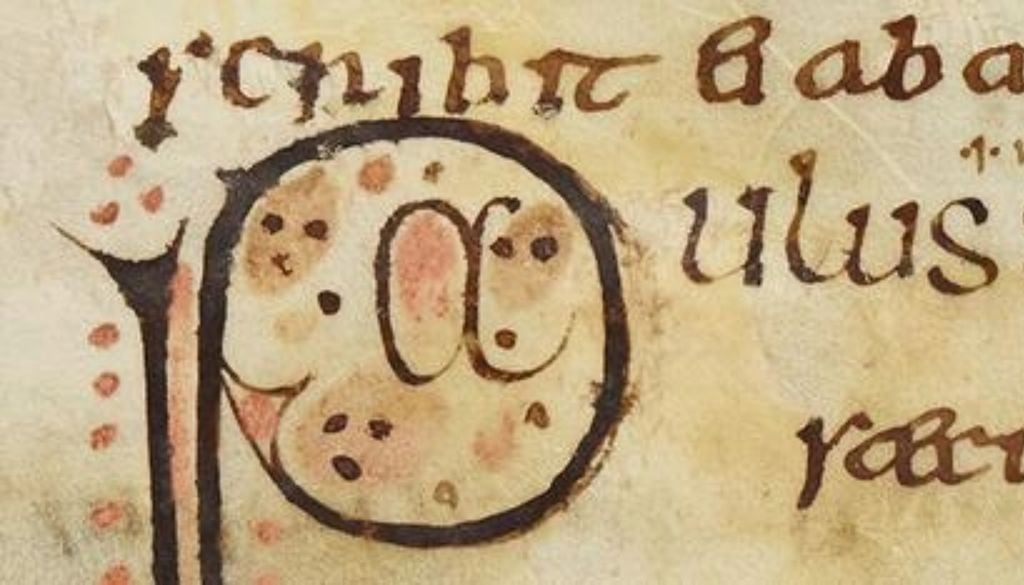
In several cases, multiple pages from the same manuscript were found to contain sheeppox virus DNA, showcasing that infected sheep would have been used to produce these documents. Because the parchment used was made from the hides of animals such as cows, goats, and sheep, it serves as a unique bio-archive, preserving the animals' health at the time of their death.
One of the most surprising findings from the study was the presence of sheep pox virus on parchment made from cow and goat hides, suggesting that there may have been cross-species infection or contamination of the parchment during the document's making.
“Parchment making has been considered a vanishing craft, but we are beginning to understand just how much of the past it has retained. This project shows that parchments not only preserve our cultural history for hundreds of years, but also the landscape of disease in our livestock in the medieval period,” said Dr Kevin G. Daly, Associate Professor at UCD School of Agriculture and Food Science.
“This kind of exciting, surprising discovery is only possible when researchers from a range of disciplines come together to share their expertise and data - a generosity and trust that collaborative science depends on.”
By studying both the manuscripts and older samples from Bronze Age sheep teeth, the study showed that Sheeppox has threatened livestock for around 3,700 years. Teeth can preserve genetic evidence of infections over thousands of years, providing an important record for past outbreaks.
Finding the earliest evidence
The team have found that the earliest evidence of sheeppox virus comes from dental remains of ancient pastoralist settlements in the Eurasian steppe, and by comparing the ancient sequences with modern ones, they can estimate that capripoxviruses (sheeppox virus, goatpox virus, and lumpy skin disease virus) diverged around 11,500 – 3,700 years ago.
This timeline aligns with the domestication of animals and the translocation of sheep from the steppe into Europe.
“People around the world are still fighting against this pathogen - there is currently an outbreak of sheeppox in Greece, causing much economic damage,” said Louis L’Hôte. “Ancient genomes can help us understand how these pathogens affecting us today evolved. We find that unlike the smallpox virus, the sheeppox virus genome was very stable over the last few millennia.”
“This might mean that genetic changes before this point were very important to how the sheeppox virus evolved to infect its host, which may help us fight the pathogen in the future.”
News reference
: L’Hôte, L., Sacristán, L., Ferguson, R., Siekmann, A., Rogers, L., Richter, B., Weissenböck, H., Lorke, J., Artemis, L., Lévêque, É., Hark, R., Engel, P., Josephine Webber, M. T., Bennett, M., Rose-Beers, K., Nichols, E., Alegre, M. M., Ramsøe, M., Fiddyment, S., … Daly, K. G.. (2026). 3,500 Years of sheeppox virus evolution inferred from archaeological and codicological genomes..