
Tyrannosaurus Rex Took 40 Years to Reach Full Size
Microscopic growth markers preserved in fossil bone suggest the predator continued adding mass well into adulthood.
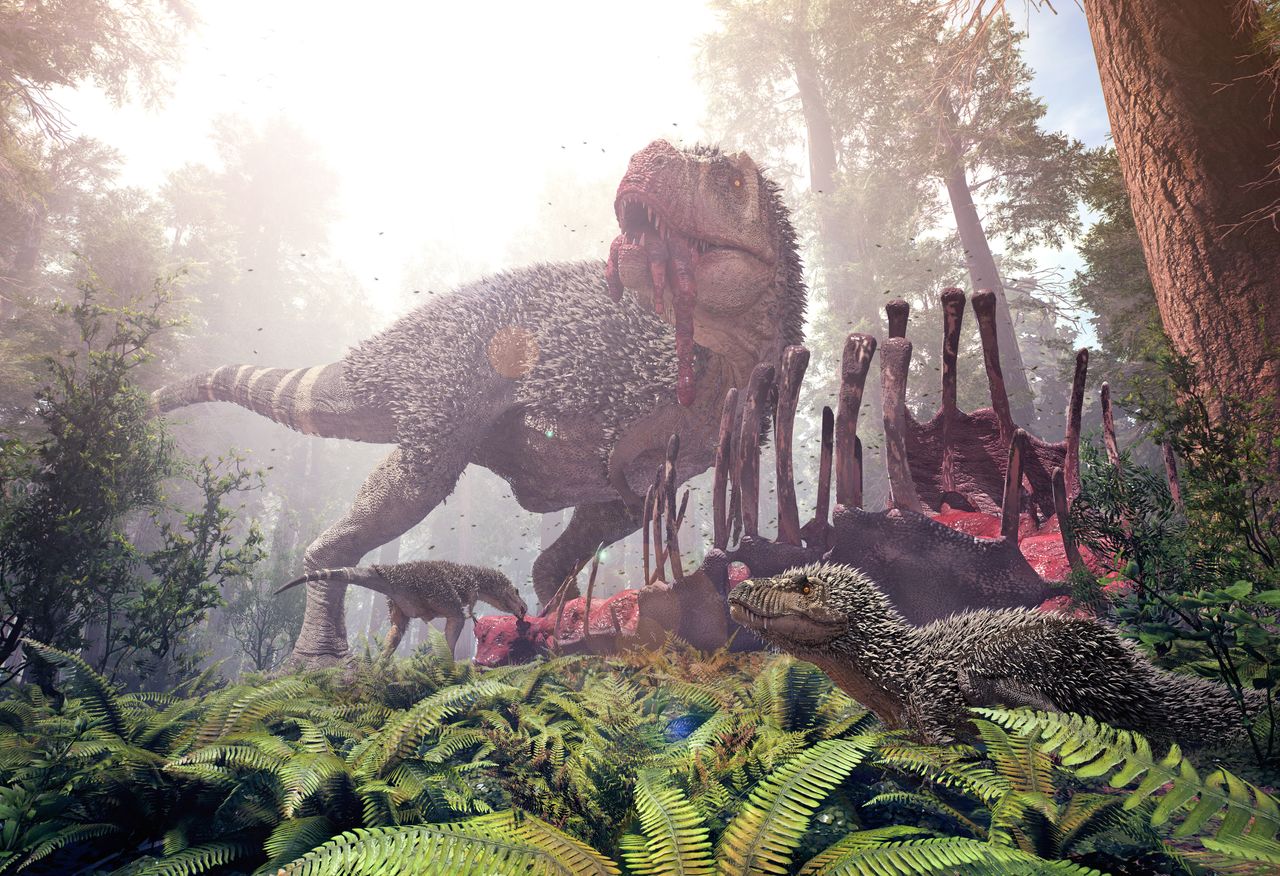
Fully grown, Tyrannosaurus rex ranked among the largest land predators in Earth’s history, its immense bulk supported by thick, load-bearing legs. Records preserved within the bone tissue now suggest that this scale developed over decades, with individuals continuing to add mass well into adulthood.
Published in PeerJ, the study examined microscopic growth markers in fossil bones from 17 tyrannosaur specimens and used updated statistical models to reconstruct the species’ growth trajectory.
Time Written in Bone
Those markers, known as lines of arrested growth, form as bone deposition slows during seasonal or physiological stress. In living animals, they often correspond to annual cycles, and in fossils, they provide one of the few direct records of age and growth available to paleontologists.
Previous estimates of T. rex growth often relied on smaller datasets and assumed that many early growth lines were lost as bones expanded and remodeled over time.
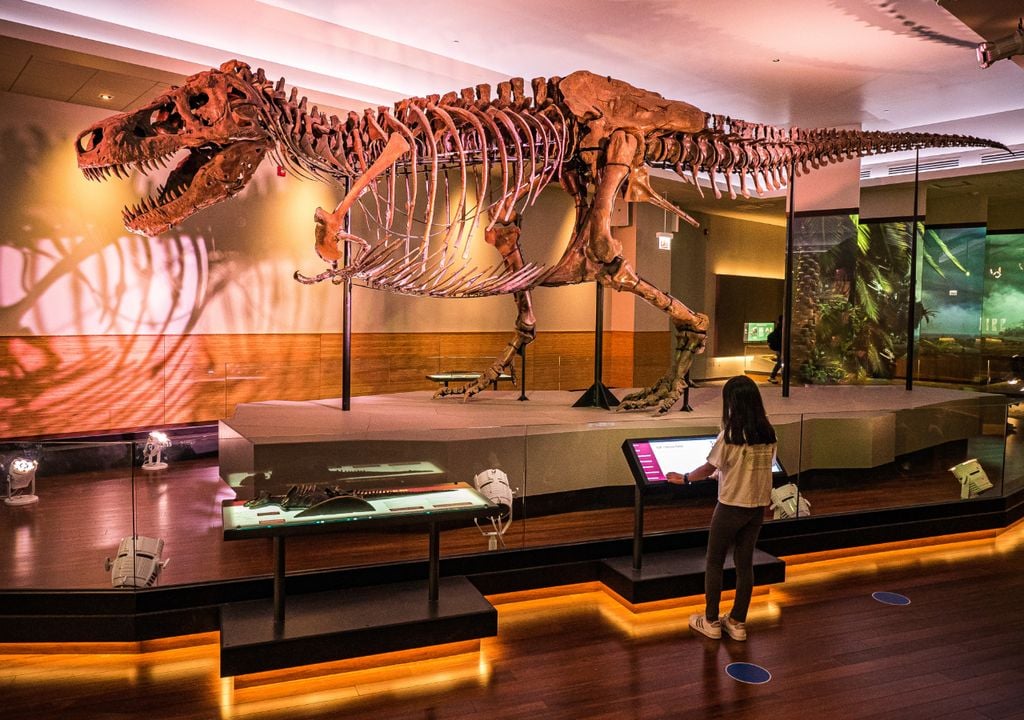
By sampling a wider range of specimens, including large adults, and by identifying growth lines preserved deeper within the bone cortex, the new research assembled a longer and more detailed growth record than previously available.
A Decades-Long Path to Adult Size
When those records were combined and modeled statistically, a different story emerged. Rather than reaching adult size in its early twenties, as some earlier estimates suggested, T. rex appears to have continued growing into its mid-30s and, in some cases, into its 40s.
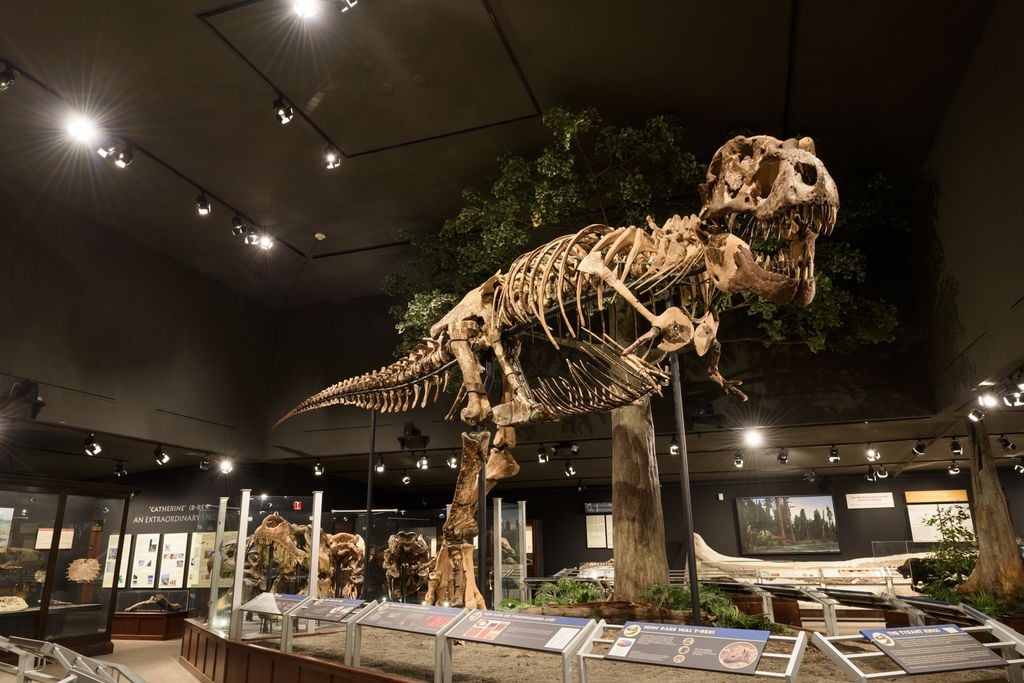
That extended timeline suggests that a substantial portion of the population may have consisted of animals that were neither juveniles nor fully grown adults. These subadult tyrannosaurs would have differed markedly from mature individuals in size and strength, even as they approached adulthood.
The finding may also help explain why medium-sized tyrannosaur fossils are relatively common. Instead of representing a brief developmental stage, those sizes may reflect a prolonged phase of growth that lasted many years.
Not All Specimens Fit the Pattern
Not every fossil aligned neatly with the reconstructed growth curve. Two smaller specimens did not align with the composite growth model at the statistical level, indicating that the histories within Tyrannosaurus were not uniform.
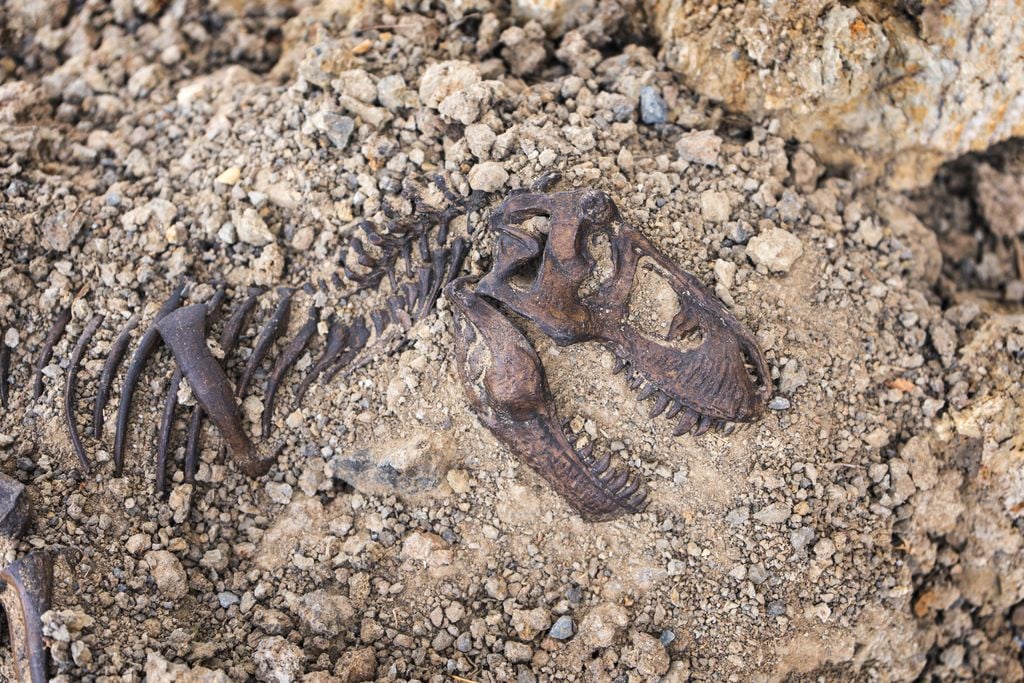
The authors do not interpret these differences as definitive evidence of multiple species. Still, the results add quantitative context to long-standing debates over variation within the Tyrannosaurus rex species complex and underscore the limits of using size alone to infer age.
Rethinking T. Rex Life History
A slower growth trajectory changes how T. rex populations are understood. If individuals spent many years increasing in mass before reaching their largest size, Late Cretaceous ecosystems likely included a wide range of tyrannosaurs at different developmental stages, not just fully grown adults and juveniles.
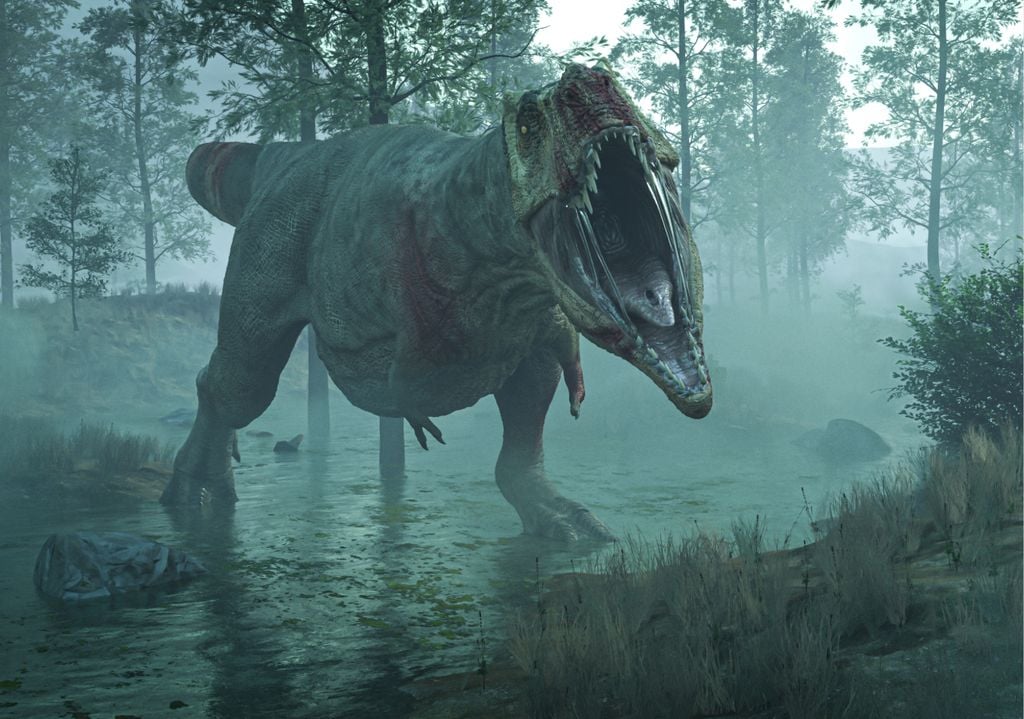
That prolonged growth phase has implications for population structure and survivorship, as well as for how often subadult animals encounter both prey and larger competitors. Size alone, even in a species studied as closely as T. rex, becomes a potentially unreliable guide to age.
By widening the histological sample and integrating it with statistical modeling, the study sharpens a scientifically challenging part of tyrannosaur biology. The growth record preserved in fossil bone traces an animal whose adult form emerged late, after decades of incremental change, revealing a predator shaped by time and scale.