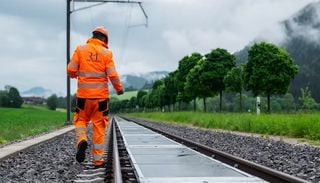
A European country is considering installing solar panels on a railway line following results from Switzerland, where a pilot project is already generating electricity directly from the rail infrastructure.

A European country is considering installing solar panels on a railway line following results from Switzerland, where a pilot project is already generating electricity directly from the rail infrastructure.
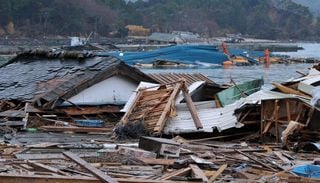
A new study reveals the hidden geological mechanism that amplified Japan’s devastating 2011 tsunami. This discovery will help scientists better understand how megathrust earthquakes originate and improve preparedness.
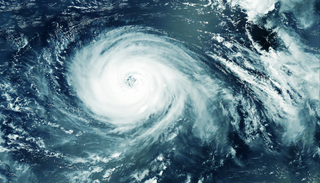
Wind and rain are only the visible part of a hurricane. Behind its immense power lies a process that begins long before it forms, as the sun heats the oceans.
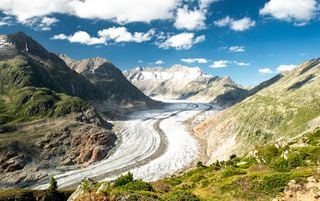
Another exceptionally mild winter with little precipitation, followed by an unprecedented series of heatwaves in June and July, has proved to be a disastrous combination for glaciers across the Alpine regions of Switzerland and Austria this year.
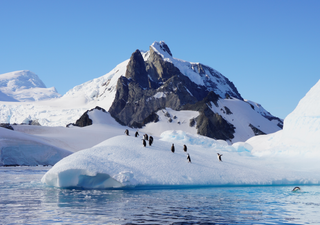
During the first days of June 2026, the Antarctic Peninsula recorded exceptionally high temperatures for the time of year. How extraordinary was this event, and what atmospheric conditions made it possible?
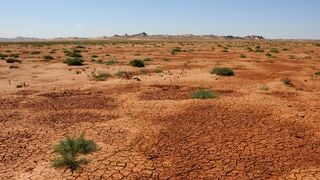
While the world watches the equatorial Pacific for signs of a possible "Super El Niño", new research suggests that another tropical ocean could provide important clues about future extreme weather events across parts of the Mediterranean.
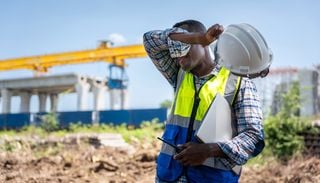
Heat increases the risk of these potentially life-threatening emergencies. Knowing the differences, recognizing the symptoms, and acting quickly can make the difference between a fast recovery and a critical situation.
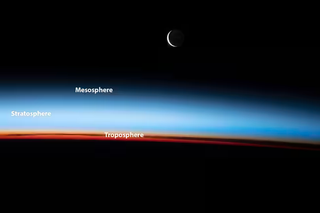
Despite rising temperatures at Earth's surface and in the lower atmosphere, the planet's upper atmosphere has cooled dramatically as a result of human influence on the climate.

France is debating a system that recycles plastic bottles but does not reuse them, drawing criticism from environmental groups that accuse it of greenwashing. The debate also raises important questions for Chile: recycling more is not enough if plastic consumption continues to grow unchecked.
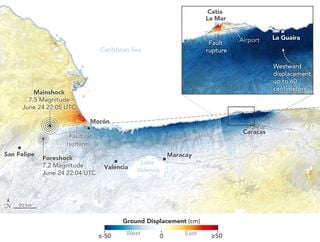
Radar data from the NISAR satellite show that La Guaira and nearby areas experienced substantial ground displacement as a result of the June 2026 earthquakes in Venezuela.
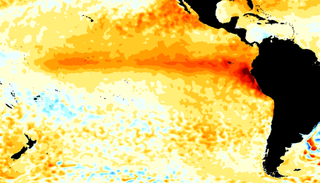
NOAA's July update from the Climate Prediction Center confirms that El Niño continues to strengthen across the equatorial Pacific. Forecast models indicate the event will intensify through 2026 and could rank among the strongest since 1950.

As the tournament enters its decisive stage, the stadium pitches are proving to be one of the quiet successes of the world's most-watched tournament.