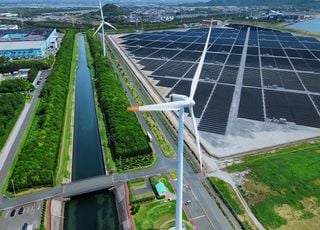
Tripling renewable energy by 2030: a titanic challenge… but without a coherent climate strategy, the equation becomes impossible. Deciphering the issues.

Tripling renewable energy by 2030: a titanic challenge… but without a coherent climate strategy, the equation becomes impossible. Deciphering the issues.
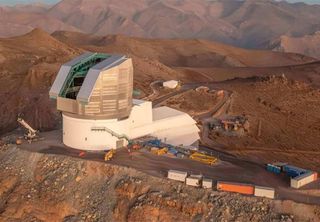
During SXSW 2025, the world's largest creativity event, the Massachusetts Institute of Technology (MIT) released its traditional list of the most innovative technologies that promise to impact the world this year.
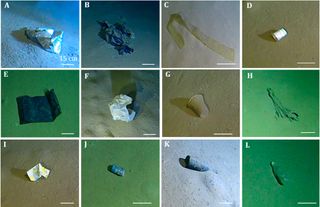
A group of scientists has studied human-generated waste in the deepest part of the Mediterranean and has found objects of all kinds: plastics, glass, metals, etc., in great numbers.
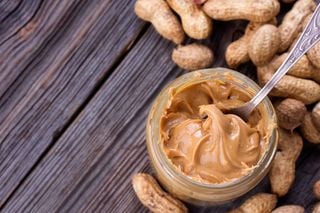
Peanut butter has long been a staple in many households, enjoyed in sandwiches, smoothies, and even straight from the jar. But is it truly a reliable protein source? Experts weigh in.
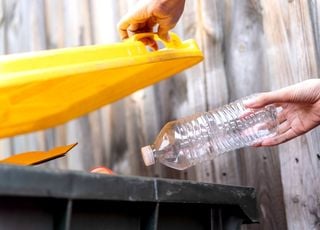
Although this gesture may seem insignificant, crushing plastic bottles before throwing them away can seriously harm their recycling. How can we explain this?
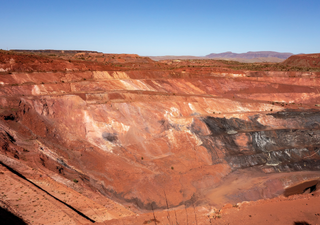
The world's oldest impact crater found in Australia has surprised geologists in what secrets it holds about Earth's earlier history.

The world's first Michelin-starred ice cream maker, MINIMAL, in Taiwan, is revolutionising gastronomy with modern ice creams with unique flavours.

It is suitable for all cuisines of the world and can be consumed whole, as a sauce or as oil. What ingredient is it?
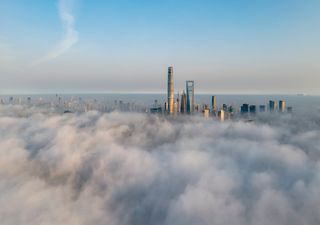
Yesterday, the fog arrived like a tsunami to this city located on the shores of the Black Sea. We tell you what this phenomenon is and how it is formed.
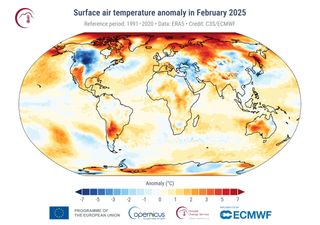
One of the consequences of a warmer world is the melting of sea ice. After another very warm February, sea ice coverage is at a record low, by its absence, across all the poles.
The entertainment industry has a significant environmental impact. Although consumer pressure to improve environmental practices is almost non-existent, studios and production companies strive to be sustainable.
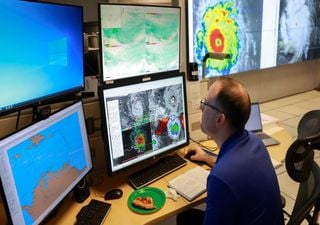
Hurricane forecasts for 2024 have been the most accurate since the National Hurricane Center began producing them for the United States. But those achievements are at risk due to the deep cuts that the Trump administration is making to NOAA.