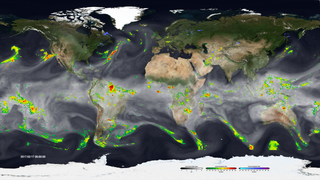
Atmospheric rivers are long and narrow tongues of water vapor, which are associated with clouds and abundant rainfall, and now it has been observed that they are moving to higher latitudes, and that is changing climate patterns around the world.

Atmospheric rivers are long and narrow tongues of water vapor, which are associated with clouds and abundant rainfall, and now it has been observed that they are moving to higher latitudes, and that is changing climate patterns around the world.

If you notice significant changes in your mood and behaviour as the seasons change, you may have seasonal affective disorder. The depression associated with this condition is related to fewer hours of daylight, not the calendar.

Researchers have shown that certain species of sharks could help reduce the population of long-spined sea urchins on the southeast coast of Australia.
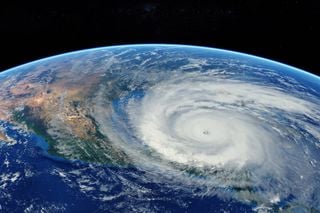
It is historically rare for a storm to reach 200 mph or more. However, it may not be as uncommon in the future. Rapid intensification as of late has opened this thought for scientists.

A geologist and his team have found lead in ice in one of the most regions of the world. Find out why and where.
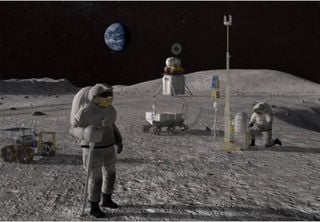
NASA's new competition, the "LunaRecycle Challenge," will pay out $3 million in prizes for innovative ideas for recycling waste materials on lunar missions.

Do we sleep more in autumn? Science confirms that this is true. Having fewer hours of sunlight takes a toll on the body, making it feel more exhausted. But is there a remedy to combat this fatigue?

A problem that would threaten the existence of life has been found on exoplanets that were favourite candidates for finding life.

For the first time, researchers apply a critical eye to track the afterlife of waste in Norway to find not as much is recycled as previously thought, and some authorities have shown inaccurate figures.

An act as seemingly simple as washing your hands eliminates viruses, bacteria and fungi that travel on our hands, causing the death of millions of people every year.

Comet Tsuchinshan-ATLAS has arrived. There are still several opportunities to see its once-in-a-lifetime spectacular sky show, which will be visible with the naked eye through this weekend. Here is your guide.

Its aim is to raise awareness of the problems related to hunger and to raise awareness among all peoples of the world in order to strengthen solidarity against malnutrition and related problems.