
A Big Change for Air Travel: NOAA Improves Forecasts for Safer Flights
From sudden turbulence to dangerous icing conditions, weather remains one of the biggest challenges in air travel. Now, NOAA is rolling out a major forecast upgrade that could help pilots better navigate hazards, improve flight efficiency, and reduce delays.
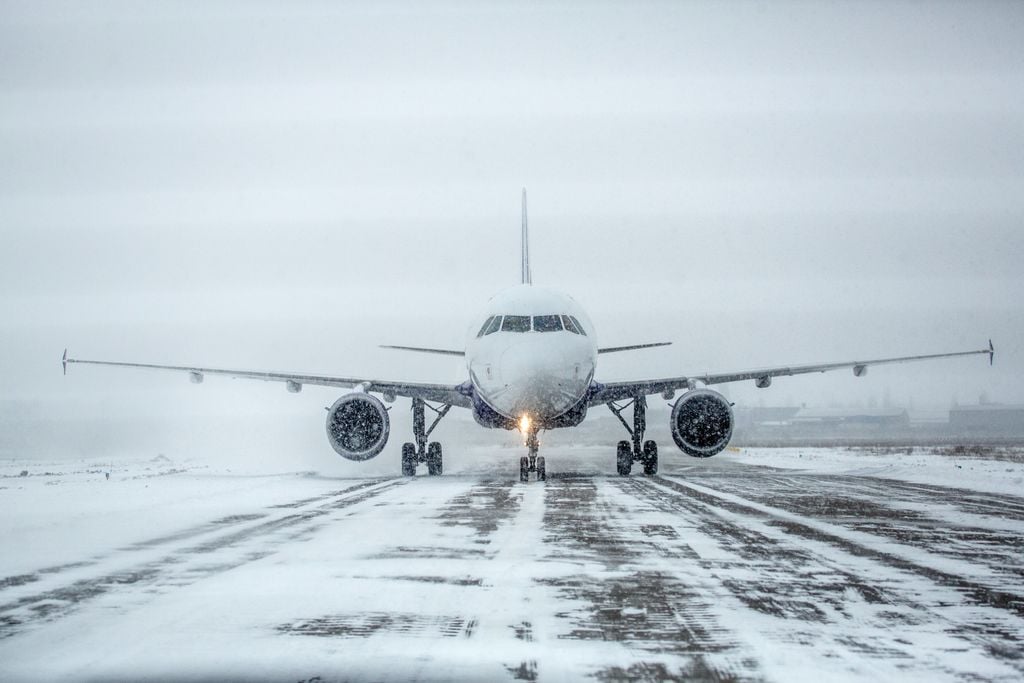
For most travelers, weather-related flight disruptions usually mean one thing: delays.But once the aircraft is in the air, weather becomes something far more critical.
Unexpected turbulence, aircraft icing, and rapidly developing storms are among the most significant hazards pilots must navigate in real time. Now, NOAA has introduced a major forecasting upgrade that could help make flights across the United States safer, more efficient, and potentially less stressful for passengers.
Beginning in late March, the agency launched its new Domestic Aviation Forecast System (DAFS), designed to improve predictions of two of the most important in-flight hazards: turbulence and airplane icing. According to NOAA, these are “two aviation hazards that pose threats to flight safety and create anxiety among passengers.”
A Forecast Upgrade You May Actually Notice
This is the kind of scientific improvement that happens behind the scenes but can have very real effects on everyday travel. For passengers, it could mean fewer unexpected rough patches during flights, fewer weather-related reroutes, improved on-time performance, and safer approaches and departures during active weather.
Aircraft icing is equally important, as ice accumulation can alter aerodynamics, increase drag, and reduce lift, making accurate forecasts especially critical near cloud layers and during winter weather events. With better lead time, pilots and dispatch teams can make smarter routing decisions before conditions deteriorate.
The Science Behind the Upgrade
What makes this system a major step forward is its level of detail. The DAFS is based on NOAA’s High-Resolution Rapid Refresh (HRRR) model, one of the agency’s flagship short-range weather models and a tool already heavily relied upon for severe weather forecasting.
The new system updates every hour on a 1.8-mile surface grid, a significant improvement over the previous 8-mile grid. That higher resolution allows forecasters to better capture small-scale atmospheric features that can strongly affect flights, including:
- clear-air turbulence
- low-level turbulence near airports
- mountain wave turbulence
- turbulence embedded in thunderstorms
- in-cloud icing zones
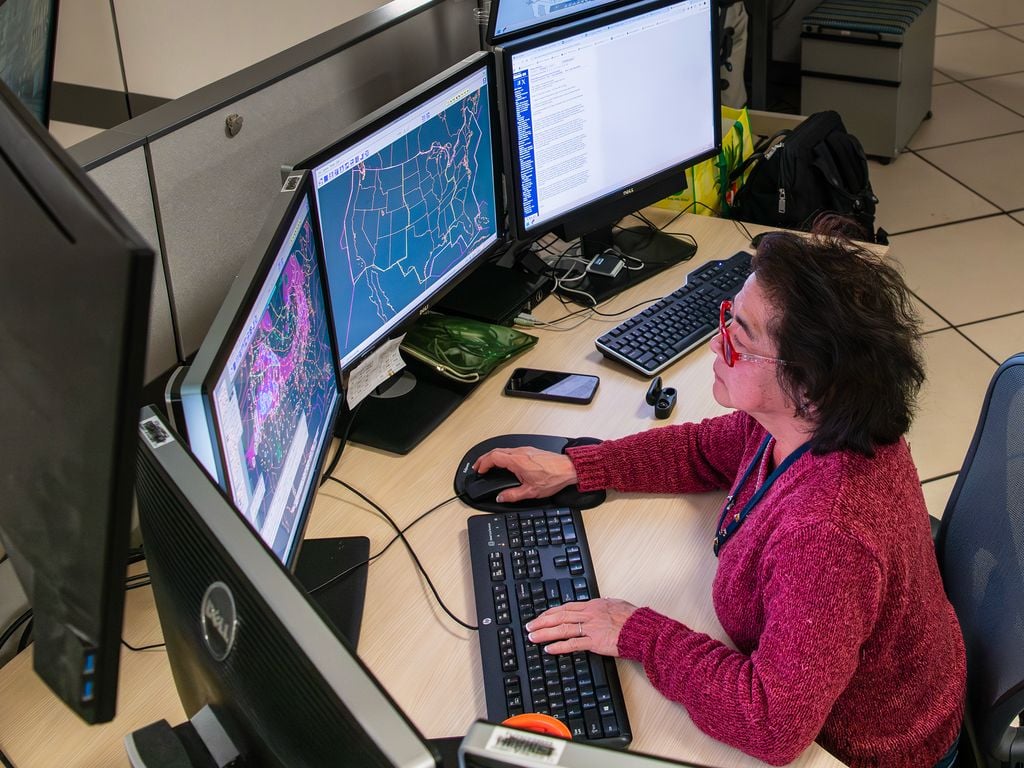
The atmosphere is also divided into 50 vertical layers, providing a far more detailed look at how conditions evolve with altitude — critical information for climb, cruise, and descent phases.
This allows meteorologists to track storm evolution in near real time and better anticipate rapidly intensifying cells, hail cores, and cloud-top growth that can create hazardous flying conditions.
Why This Matters Right Now
The timing is especially important as the U.S. moves deeper into the spring severe weather season, when large sections of the country begin to experience more frequent thunderstorms, strong jet stream fluctuations, and rapidly changing upper-level dynamics.
These weather patterns can produce severe convective turbulence, strong vertical wind shear, icing within deep cloud layers, and storm-driven reroutes across major airport hubs. As NOAA officials noted, the enhanced detail in the new forecast system “potentially gives pilots more options to navigate around hazards.”
In practical terms, that translates directly into better fuel efficiency, fewer holding patterns, more efficient routing, and improved safety margins for both flight crews and passengers.
News Reference:
NOAA improves aviation forecasts to bolster U.S. air travel efficiency, safety. March 30, 2026.