
When Should You Sleep if the Sun Rises 16 Times a Day? The Dilemma of Astronauts on the International Space Station
Astronauts aboard the ISS witness 16 sunrises every day. To remain physically and mentally healthy, they depend on strict schedules, artificial lighting and rituals that maintain a sense of time.
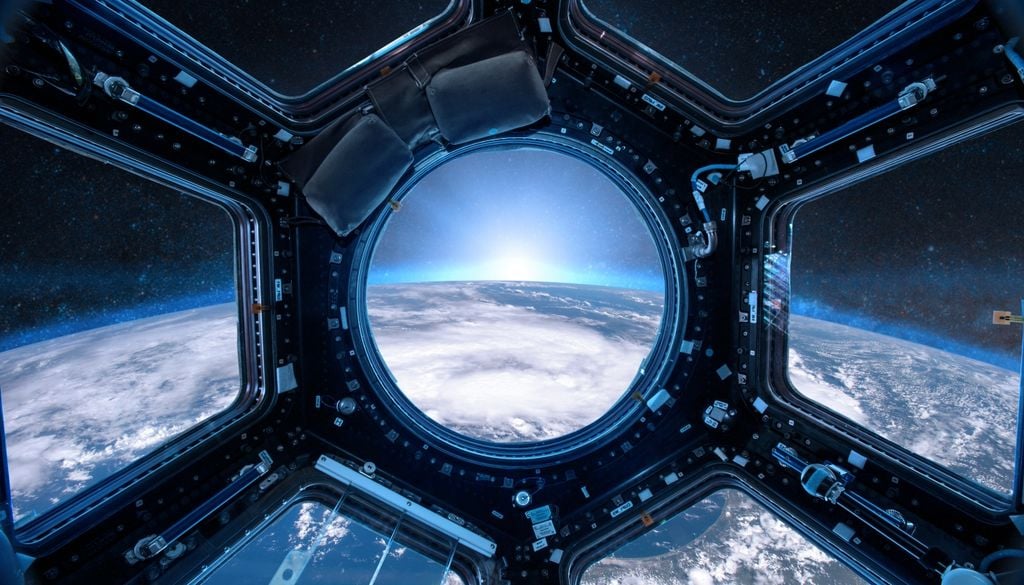
From the viewing windows of the International Space Station’s Cupola module, astronauts can watch the Sun rise over Earth and, less than an hour later, see it happen again. This is neither a metaphor nor an exaggeration: the station completes one orbit of the planet every 92 minutes. As a result, those living aboard witness, on average, 16 sunrises and 16 sunsets every day.
At first glance, life in microgravity appears almost magical, as though the usual rules of Earth no longer apply. In reality, the opposite is true: everything aboard the ISS is carefully regulated to prevent the human body from struggling in an environment for which it never evolved.
The time zone nobody uses on Earth
Inside the station, there is no such thing as “local time”. Astronauts operate according to Coordinated Universal Time (UTC), the same system used by air traffic controllers and astronomical observatories. Regardless of whether they launched from the United States, Kazakhstan or Japan, everyone synchronises their routines to the same clock.
Every day is meticulously scheduled. There are fixed times for waking up, working, exercising, eating and sleeping. What resembles an office timetable is, in reality, a survival tool.
The human body requires regular cycles of light and darkness to maintain a stable biological clock. On Earth, this mechanism is governed by sunrise and sunset. In space, where dawn arrives every 90 minutes, the system quickly becomes disrupted.
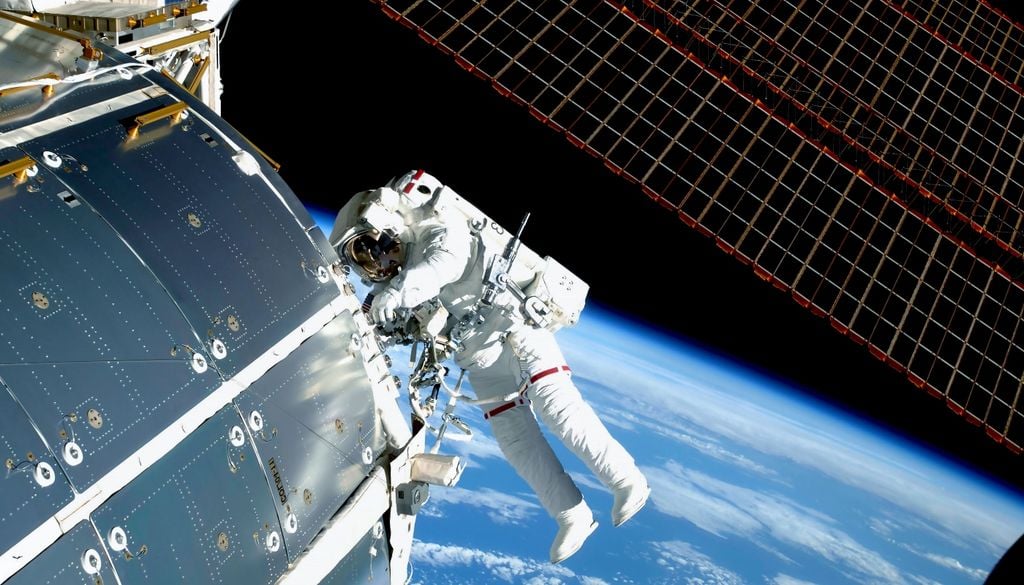
The effects appear rapidly: changes in melatonin production, shifts in body temperature, mental fatigue and reduced concentration. Researchers have spent years studying how to monitor astronauts’ circadian rhythms in real time to determine whether their bodies continue responding to the station’s artificial day-night cycle.
Light as medicine
To compensate for this challenge, the ISS lighting system was designed almost as a medical treatment. LED panels alter both colour and intensity depending on the time of day.
During the “morning”, bluish tones help maintain alertness. At night, lighting becomes warmer and dimmer to encourage sleep. In practical terms, astronauts receive a daily “dose of photons” intended to convince the brain that it is still living on Earth.
The importance of this system extends far beyond comfort. Human error in orbit can be critical. Sleep quality directly affects complex tasks such as operating robotic arms, performing spacewalks or docking cargo spacecraft.
Sleeping while floating and strapped to a wall
Rest also requires engineering. Each astronaut has a small private compartment, resembling a telephone box, where they sleep inside a sleeping bag attached to the wall.
This is not simply for convenience. In microgravity, an unsecured person would drift through the station, colliding with equipment or blocking passageways.
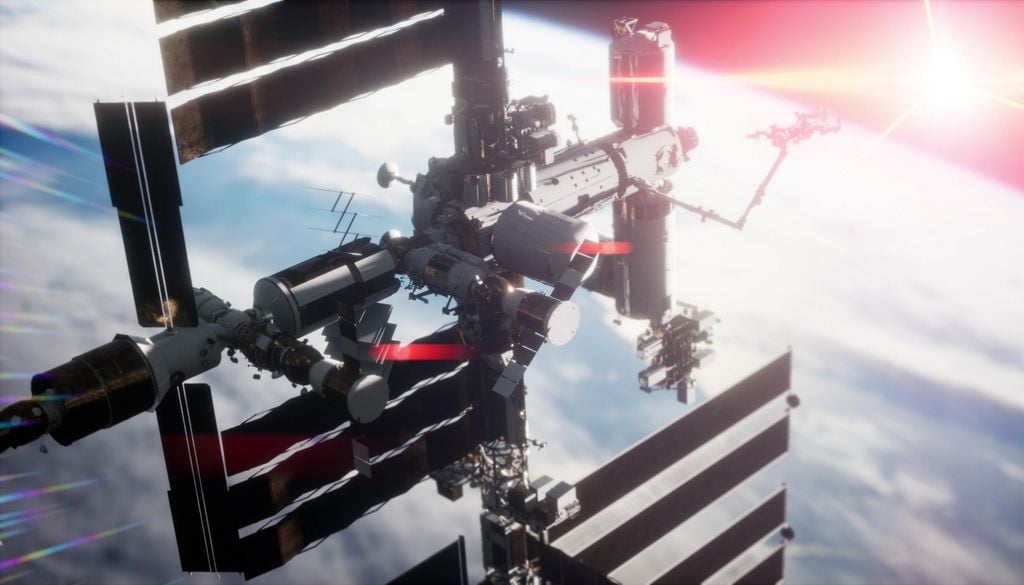
There is also another lesser-known challenge: carbon dioxide. Without gravity, exhaled air does not disperse naturally. It can accumulate around an astronaut’s head while sleeping. For this reason, every sleeping compartment is equipped with fans that keep air circulating and reduce respiratory risks.
Even so, most crew members sleep less than recommended. Studies of sleep deprivation show that people often underestimate its effect on cognitive performance. The same occurs aboard the ISS: many astronauts believe they are functioning normally until objective measurements reveal increasingly slow reaction times.
How do You pray when the sun rises 16 times a day?
The challenges are not solely biological. Unexpected cultural and religious issues also arise.
The answer emerged through consultations between scientists and Islamic religious authorities. It was decided that prayers should follow the schedule of the launch site rather than the orbital cycle. The direction of Mecca could be estimated “to the best of one’s ability”, prioritising spiritual intention over exact geometric precision.
Other faiths have encountered similar questions. Jewish astronauts have had to determine which sunset marks the beginning of the Sabbath, while Orthodox cosmonauts have adapted traditional religious observances to orbital time.
The unexpected importance of birthdays
Over time, space agencies realised that celebrations are not merely entertainment. Birthdays, Christmas, Lunar New Year and Diwali help crews maintain a normal perception of the passage of time.
Without such rituals, six months in orbit could feel like a single endless day.
For that reason, cargo spacecraft often carry small gifts, decorations and even rehydratable cakes. Everything must comply with strict safety regulations and be secured with Velcro to prevent it floating around the station.
The most human experiment in space
After more than 25 years of continuous occupation, the ISS has demonstrated that human beings can adapt to microgravity, recycled air and months of confinement. What they cannot abandon is their need to organise time.
Artificial lighting, calendars, routines and even birthday celebrations function as psychological anchors. On a station travelling at 28,000 kilometres per hour and experiencing 16 sunrises each day, humanity still depends on something remarkably simple: collectively agreeing on when a new day begins.