
Abandoned oil wells release 7 times more methane than previously thought
An alarming Canadian study reveals that inactive oil wells release seven times more methane into the atmosphere than official estimates. The finding calls into question inventories and established climate policies.
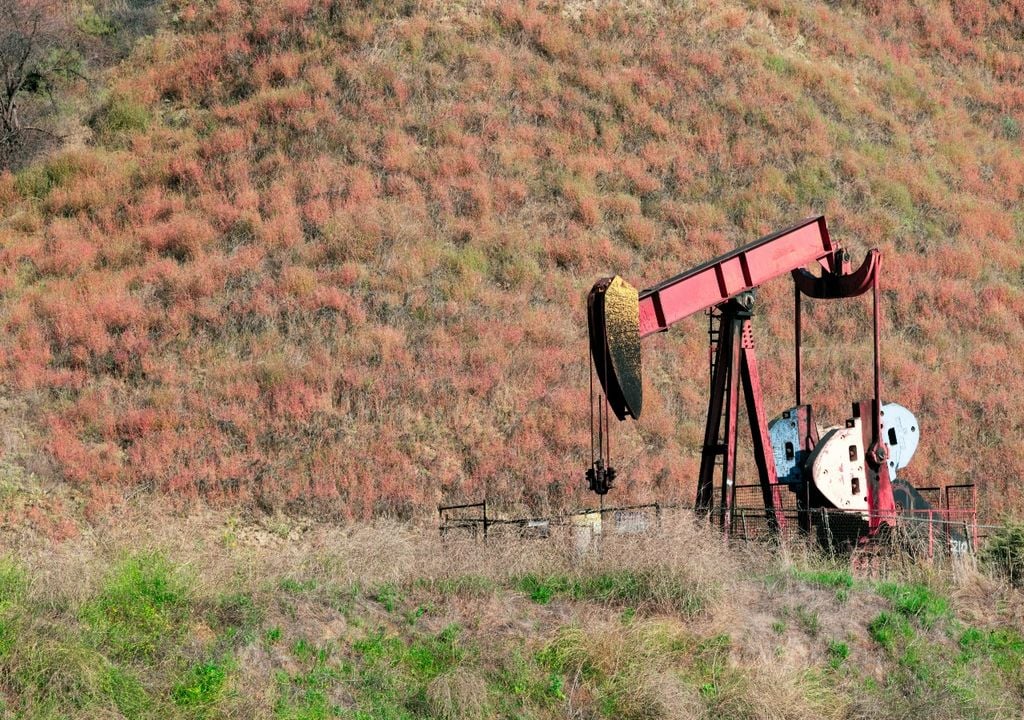
Inactive oil and gas wells, sometimes called “ghost” wells, are a seriously underestimated source of methane emissions . A recent McGill University study measured emissions from 494 inactive wells in five Canadian provinces, estimating an annual total of 230 kilotonnes, compared with just 34 kilotonnes recorded in official national data.
According to Eos, this figure implies that these phantom losses represent about seven times the official estimates. Considering atmospheric temperature, this methane is particularly worrying because it traps 80 times more heat than carbon dioxide (CO₂) over a 20-year period .
Much of this comes from abandoned and inadequately sealed wells, where casing failures and poor sealing allow gas to continually escape into the atmosphere. Until now, it was thought that these emissions were much smaller, but this now opens the door to the search for more effective sealing techniques.
A global problem that is difficult to contain
Canada is not alone in facing this environmental threat. In the United States, there are an estimated 3 million abandoned wells, many of which continue to emit methane unchecked . According to the Environmental Protection Agency (EPA), these wells represent a significant source of fugitive emissions that are not always accounted for in national inventories, distorting the true climate impact figures of the hydrocarbon sector.
There are millions of orphaned gas and oil wells leaking methane in the U.S. and plugging them will cost billions. Watch the full video: https://t.co/deOAMPqg3d pic.twitter.com/RCKWAxDTBt
— CNBC (@CNBC) 15 ottobre 2023
A recent study using aerial flyovers of 12 US oil fields found methane emissions equivalent to 7.5 million tonnes per year, four times higher than official estimates. The data, obtained using remote sensors and high-precision satellites, reveal that the problem is much wider than previously reported. So-called “phantom leaks” are active even in wells that have been shut down for decades .
Furthermore, these emissions are divided between large, isolated spills, known as “super-emitters”, and a myriad of small, ongoing leaks. In the Permian Basin, for example, it has been shown that small leaks account for 72% of total methane emissions, which shows that these are not isolated cases, but rather a structural phenomenon. This reality makes it necessary to rethink both measurement methods and intervention strategies .
Consequences and urgent solutions
Methane is an extremely potent greenhouse gas: over a 20-year period, it has a global warming potential up to 80 times greater than that of CO₂ . This makes it an immediate threat to the planet’s climate balance. In addition to its impact on global warming, it also contributes to the formation of tropospheric ozone, an air pollutant that can harm human health, especially in rural areas where many of these wells are located.
Methane leaks from dormant oil and gas wells in Canada are seven times worse than thought, study suggests https://t.co/NuXKgSCjnU
— MethaneNet (@MethaneNet) 12 giugno 2025
Methane leaks are not only a climate threat, but also a local pollution problem. In regions such as Alberta and British Columbia, between 5% and 11% of wells were found to have chronic sealing defects, allowing gas to seep into aquifers and agricultural soils. In some cases, explosions and serious risks to populated areas have occurred, reinforcing the need for urgent action .
However, there are concrete solutions. Sealing abandoned wells with suitable materials and modern techniques can drastically reduce emissions. In addition, initiatives such as MethaneSAT or MethaneAIR , which use satellite sensors to detect leaks, make it possible to precisely map the most critical areas. By prioritizing the closure of the most polluting wells and monitoring them continuously, the positive impact on the fight against climate change can be immediate and measurable .