
Alert in Antarctica: Emperor Penguin and Sea Lion Enter the List of Endangered Species
Climate change and some poor government decisions are accelerating the extinction crisis before our eyes. Species such as penguins are already among the most threatened birds on the planet.
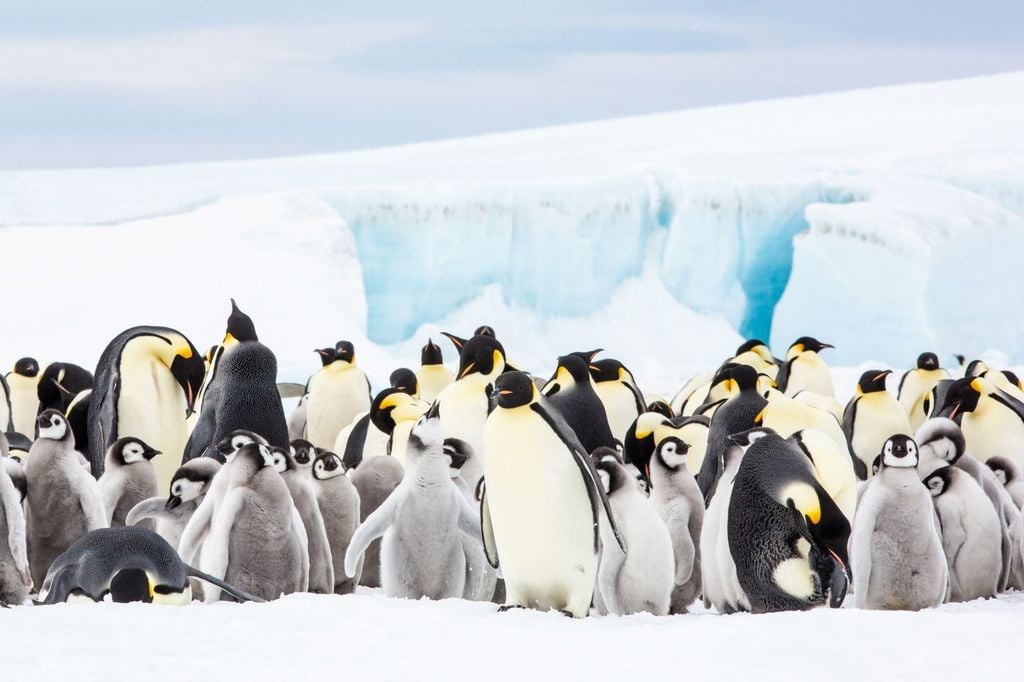
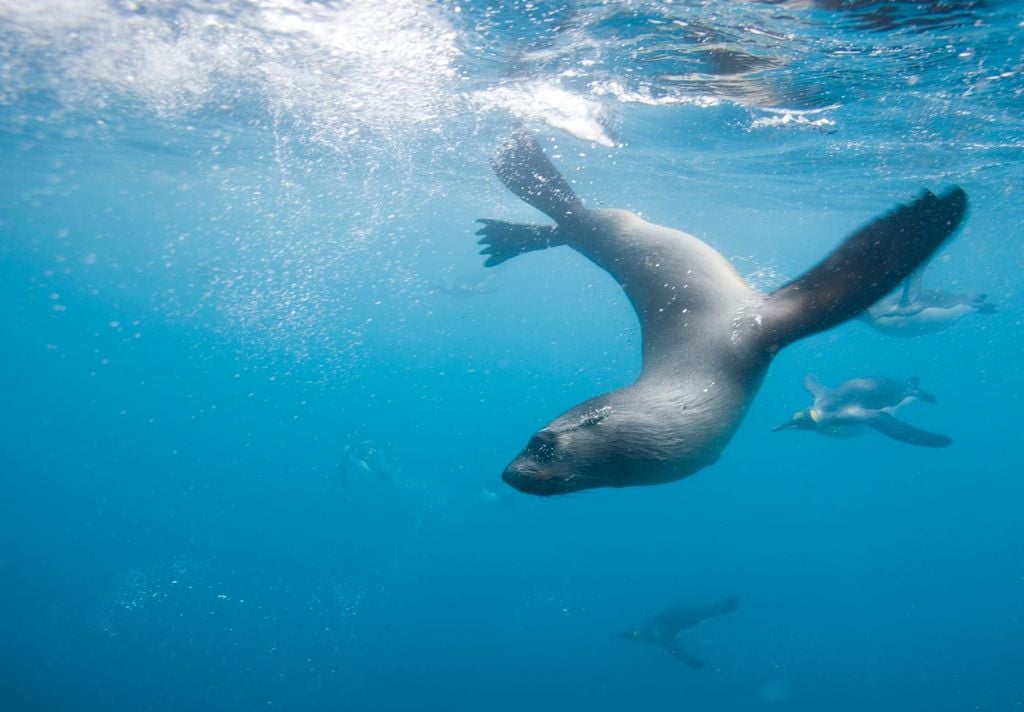
The International Union for Conservation of Nature (IUCN) issued a press release warning that the emperor penguin and the Antarctic fur seal are now classified as “Endangered” according to the IUCN Red List of Threatened Species.
This is because anthropogenic climate change in Antarctica is causing changes in sea ice that, according to projections, will reduce the emperor penguin population by half by the 2080s.
However, reduced food availability is also playing a role, which has already led to a 50 percent decline in Antarctic fur seal populations since the year 2000. The southern elephant seal is also now at risk of extinction due to disease.
The statement explains that the emperor penguin (Aptenodytes forsteri) has moved from “Near Threatened” to “Endangered” on the IUCN Red List. Satellite imagery indicates a loss of around 10 percent of the population between 2009 and 2018 alone, equivalent to more than 20,000 adult penguins.
IUCN Director General Grethel Aguilar explained that these findings should drive action across all sectors and levels of society to decisively address climate change. The declines of the emperor penguin and the Antarctic fur seal on the IUCN Red List are a wake-up call about the reality of climate change.
As countries prepare to gather for the Antarctic Treaty Consultative Meeting in May, these assessments provide essential data to inform decisions regarding this continent and its remarkable wildlife.
Antarctica’s role as the planet’s “frozen guardian” is irreplaceable: it provides countless benefits to humanity, stabilizes the climate, and offers refuge to unique wildlife. Its loss would represent a true catastrophe for the planet.
Emperor penguins require stable ice (sea ice “anchored” to the coast, ocean floor, or grounded icebergs) as habitat for their chicks and during the molting season, when they are not waterproof. If the ice breaks up too early, the result can be fatal.
The statement explains that emperor penguins are a sentinel species that informs us about our changing world and how effectively we are controlling greenhouse gas emissions that drive climate change.
Fur Seal
The outlook for the Antarctic fur seal (Arctocephalus gazella) is no better. It has moved from “Least Concern” to “Endangered” on the IUCN Red List, as its population has declined by more than 50 percent, from just over 2 million estimated adults in 1999 to 944,000 in 2025.
This is due to climate change, as rising ocean temperatures and reduced sea ice are pushing krill to greater depths in search of colder waters, reducing food availability for fur seals.
The scarcity of krill in South Georgia has drastically reduced pup survival during their first year of life, leading to an aging breeding population, along with other natural factors and predators that are also being forced to compete for food.