
Diets Rich in Omega-3 May Help Prevent Nearsightedness in Kids New Study Reveals
A recent study in the British Journal of Ophthalmology reveals that children who consume more omega-3-rich foods may be less likely to develop nearsightedness, while saturated fats could increase the risk.
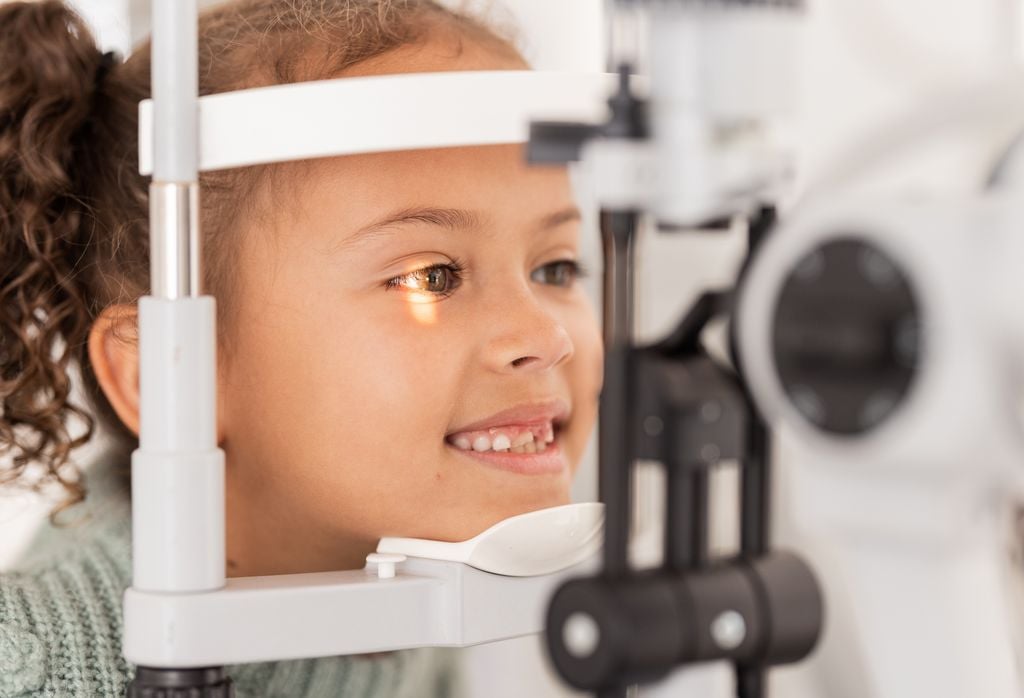
At first glance, a child’s eyesight might seem shaped by screens and study habits alone. But as nearsightedness rates continue to rise across the globe, new research suggests the foods on children’s plates could play an equally crucial role. As scientists probe the mounting tide of myopia, attention is turning to nutrition for possible answers.
How Scientists Traced the Food–Vision Link
Researchers with the Hong Kong Children Eye Study, led by Xiu Juan Zhang and colleagues, examined over 1,000 children aged 6 to 8, meticulously tracking their diets and eye health.
Using detailed food questionnaires and comprehensive eye exams, they found a striking trend: kids with higher intakes of omega-3 fatty acids—mainly from fish—had healthier eye measurements linked to lower risks of myopia, or nearsightedness.
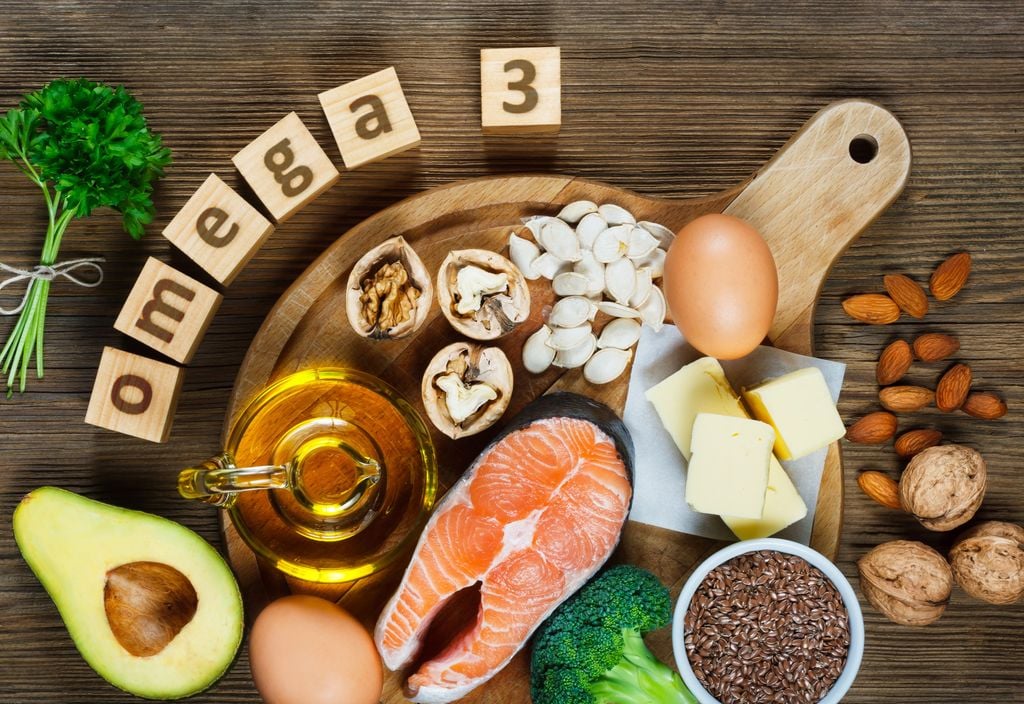
Myopia occurs when the eye grows too long from front to back, causing distant objects to appear blurry. In this study, researchers measured what’s called the “axial length” of each child’s eye—a longer axial length means the eye is more prone to nearsightedness.
They found that children who ate the most omega-3-rich foods had the shortest axial lengths, while those with the lowest intake had the longest, and therefore most myopic, eyes.
The Role of Saturated Fat
In sharp contrast, children who consumed the most saturated fats, such as those found in red meat, butter, and palm oil, showed more signs of nearsightedness.
While other nutrients, like vitamins and carbohydrates, showed no significant effect, the omega-3 versus saturated fat divide stood out.
I was diagnosed with short sightedness when I was 8.
— Zib Atkins (@AyusWellness) September 3, 2025
Wearing glasses did make things a bit more awkward.
Particularly with sports.
I wish wed known that omega-3 might be protective.
Like this 2025 research paper found.
Just another reason why I make sure my kids are pic.twitter.com/llEJPRxPHO
The team suggests omega-3s may protect the eyes by boosting blood flow and delivering more oxygen and nutrients to the eye’s deeper layers, potentially slowing harmful changes.
What This Study Means for Parents, Doctors, and the Future of Vision Care
This research is a big step forward, but it isn’t the final word. The study’s authors caution that because their findings are based on observations, they can’t prove cause and effect. Additionally, all the children were from Hong Kong, a region with especially high rates of myopia, so it’s not clear how these results translate to other populations or lifestyles.
Still, as myopia rates soar globally, these findings may help guide parents and policymakers in creating healthier diets—and healthier vision—for the next generation.
News reference:
BMJ Group. "Scientists uncover surprising link between diet and nearsightedness." ScienceDaily. ScienceDaily, 8 September 2025. <www.sciencedaily.com/releases/2025/09/250907172653.htm>.
Zhang XJ, et al. British Journal of Ophthalmology, 2025. DOI: 10.1136/bjo-2024-326872.