
Earth crosses a new red line: seven of nine planetary boundaries have now been breached
A new scientific report warns that seven of the nine boundaries that regulate the stability of the planet have already been exceeded and that all of them continue to move further away from the zone considered safe.
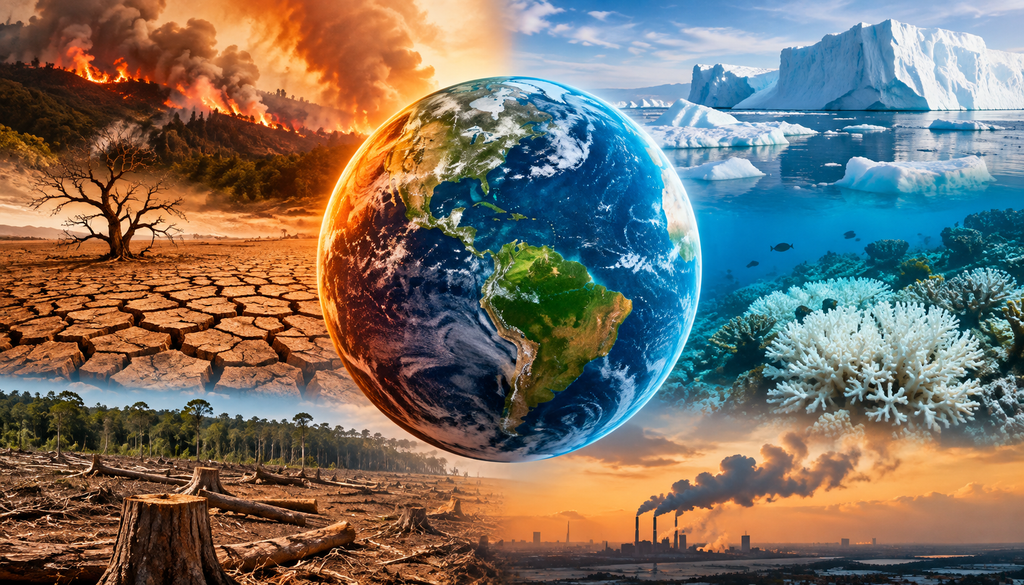
Earth has just received another “health check” and the results are once again raising the alarm. The Planetary Health Check 2026, produced by more than 60 scientists, concludes that seven of the nine planetary boundaries have already been exceeded and that all of them continue to show deterioration.
The report was presented on 21 September by the Planetary Boundaries Science Lab at the Potsdam Institute for Climate Impact Research (PIK), and provides an annual update on the status of the main processes that maintain the stability of the Earth system.
What are planetary boundaries?
The concept of planetary boundaries aims to establish a safe operating space for humanity. They are not nine physical borders which, once crossed, automatically trigger a disaster, but rather indicators that make it possible to assess how much the Earth's ability to maintain relatively stable conditions is being altered.
The nine processes analysed are climate change, biosphere integrity, land-system change, freshwater change, biogeochemical flows, novel entities — such as chemicals and plastics — ocean acidification, stratospheric ozone depletion and atmospheric aerosol loading.
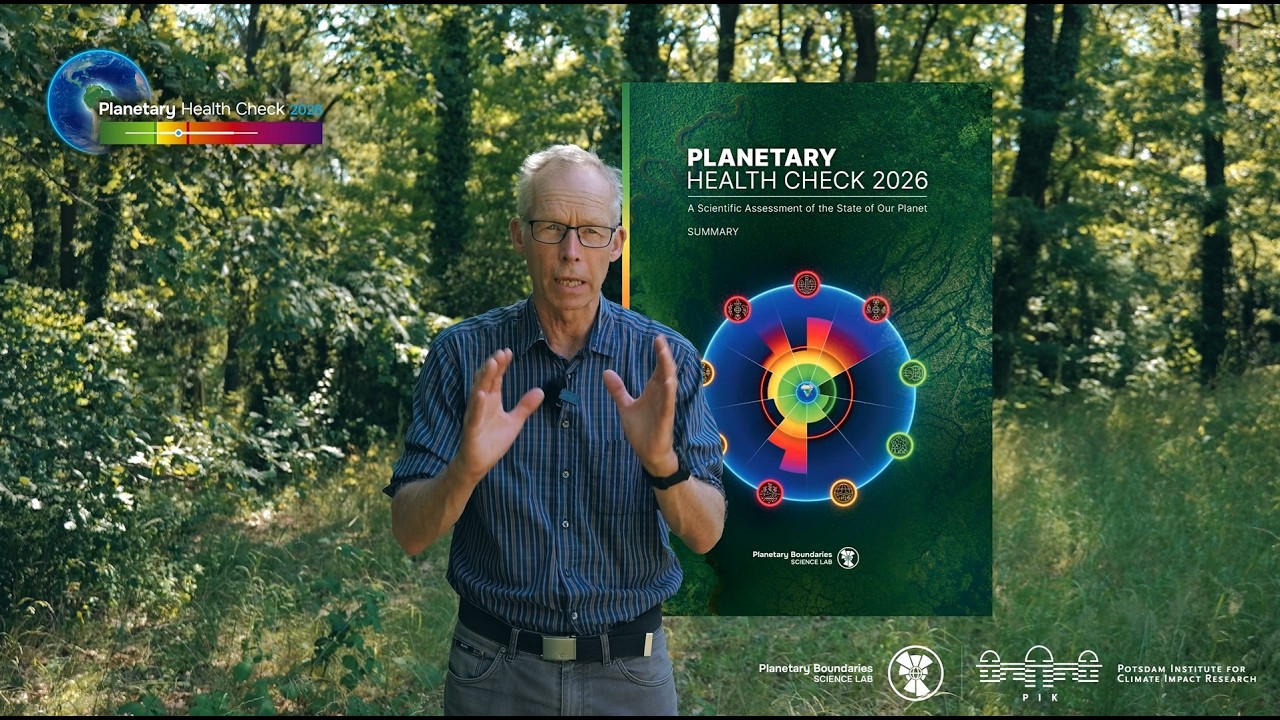
According to the new assessment, seven of them are outside the space considered safe: climate change, biosphere integrity, land-system change, freshwater alteration, biogeochemical flows, novel entities and ocean acidification.
Seven boundaries exceeded and all getting worse
One of the report's most striking findings is that the seven boundaries that have already been transgressed reached their highest recorded levels of deterioration. Ocean acidification became the latest of the nine processes to cross its boundary, which occurred in 2025.
The other two boundaries show a different situation. Stratospheric ozone and global aerosol loading remain within the safe operating space, although researchers warn that there are regional problems with aerosols and that ozone recovery has slowed.
A planet where everything is connected
The importance of these boundaries lies not only in how many have been exceeded, but also in the fact that they do not operate independently.
The climate, oceans, ecosystems, freshwater and soils are all part of the same system. Altering one of these components can increase pressure on the others and trigger cascading effects. For this reason, scientists consider that the simultaneous departure from several boundaries increases the risk of persistent and potentially irreversible changes.
The report also focuses on an especially relevant issue: natural carbon sinks. Forests, soils and other ecosystems absorb a significant proportion of the carbon dioxide emitted by human activities, but heatwaves, droughts, wildfires and environmental degradation can reduce this capacity.
This means that some ecosystems could lose part of their role as buffers against climate change just when they are most needed.
The situation, however, does not mean that a global point of no return has already been crossed. The researchers themselves emphasise that planetary boundaries are indicators of increasing risk, rather than switches that trigger an immediate collapse.
The recovery of the ozone layer demonstrates, in fact, that environmental trends can be changed when coordinated measures are implemented. The new report therefore provides a worrying snapshot of the state of the planet, but also a tool for measuring where the greatest risks lie and how they evolve over time.
News reference
Planetary Boundaries Science Lab. (2026). Planetary Health Check 2026.