
From Traditional Wisdom to Scientific Evidence: Garlic Repels Insects and Disrupts Their Reproductive Behavior
For centuries, garlic has been used as a natural way to keep pests away. Now, a new study from Yale University scientifically confirms that garlic also interferes with pests’ ability to reproduce, deterring their mating and egg-laying behavior.
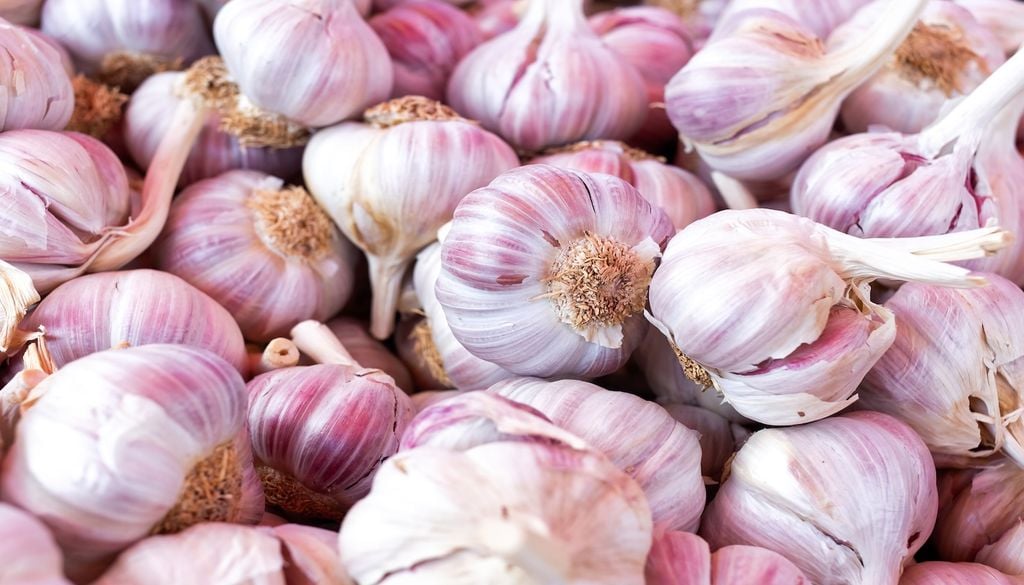
For centuries, people have used garlic as a spice to enhance the flavor of food. At the same time, many cultures around the world have used it as a natural way to keep pests away. Now, new scientific research shows that garlic is not only a powerful natural insect repellent, but also interferes with pests’ ability to reproduce, deterring their mating and egg-laying behavior.
Traditional Pest Control Wisdom Confirmed by Scientific Research
Traditionally, people have used garlic as a powerful natural pest control remedy long before it found its way into scientific research. People use garlic to repel a variety of crawling and flying insects, including mosquitoes. The idea triggered Shimaa Ebrahim, a researcher in John Carlson’s lab, to explore the question further.
Ebrahim sought to understand how food influences insect behavior. She began testing the idea by collecting 43 fruits and vegetables from a supermarket, including garlic.
The results of the testing were surprising: instead of increasing mating activity, garlic had the opposite effect. It completely stopped mating, meaning that flies exposed to garlic did not mate and also stopped laying eggs.
It was commonly believed that garlic’s effect on insects is driven by its smell, but testing showed otherwise. While smell alone does not affect mating behavior, tasting garlic stops fruit flies from mating, indicating that its reproductive impact depends on taste rather than smell.
A Single Molecule Effects on Pests Reproductive Behavior
Garlic contains many compounds, and the research team isolated and tested each one separately. They identified one single molecule responsible for the effect on pests’ reproductive behavior: diallyl disulfide. According to the research cited by earth.com, when flies tasted the compound, a sensory receptor known as TrpA1 was activated.
This shift affects females more strongly, as female insects control mating decisions. When their internal signals are altered, reproduction stops.
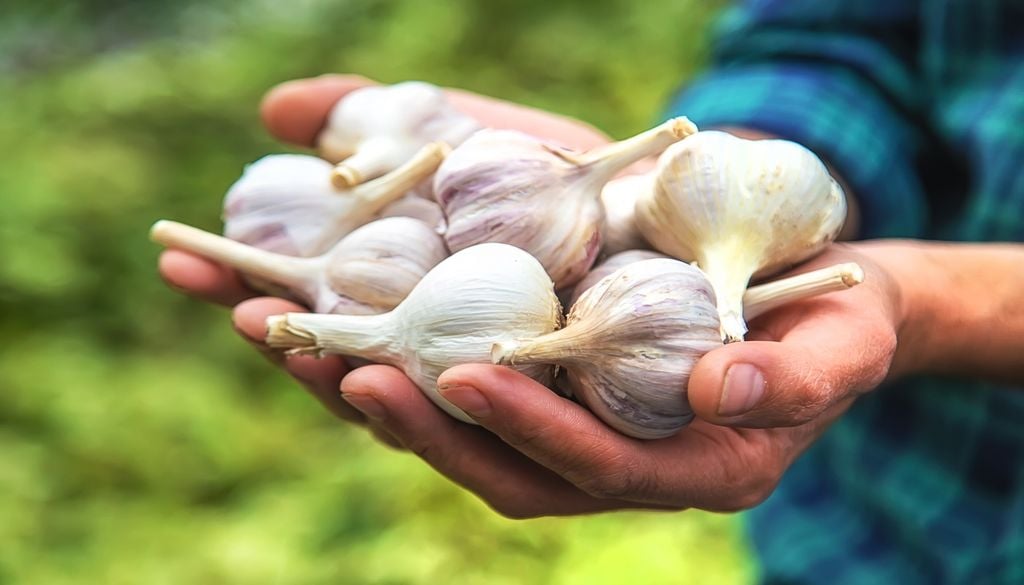
The researchers further expanded their tests beyond fruit flies to include two mosquito species known to spread diseases such as dengue and Zika. The same compound in garlic produced the same effect: when mosquitoes tasted diallyl disulfide, their mating behavior dropped sharply.
Why This Research Matters
The study suggests that compounds in garlic could help control disease-carrying insects. Garlic has long been used to keep pests away, and many people also rely on garlic-based sprays to protect crops. According to researcher team, what this study adds is a clear explanation: it identifies the exact compound that can be used to change pests’ reproductive behavior. This level of detail can turn a traditional practice into a scientific tool, allowing researchers to refine and improve pest control strategies.
Current pest control methods depend heavily on synthetic chemicals, which can harm non-target species and contribute to resistance over time. Garlic offers an alternative approach, as its active compounds already exist in the food supply and is considered safe for human use.
News Reference:
Garlic doesn’t just repel insects – it shuts down reproduction. AWCDaK6zPS8i3FvA4oAEKzg. May 12, 2026.