
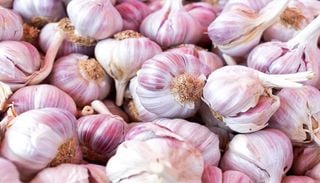
For centuries, garlic has been used as a natural way to keep pests away. Now, a new study from Yale University scientifically confirms that garlic also interferes with pests’ ability to reproduce, deterring their mating and egg-laying behavior.

Fawzia Ahsan is a multimedia journalist, researcher, and communications specialist with over a decade of experience covering human rights, international relations, and political developments across Iran, Afghanistan, and the Middle East. She holds a master’s degree in international relations and dual bachelor’s degrees in international studies and English Language & Literature.
Fawzia grew up in Afghanistan, and now lives in Virginia, USA. She has reported on the impacts of climate change on Afghan communities and advocates for policies aimed at reducing its impact on vulnerable societies.
She has been working with Voice of America (VOA) and Radio Free Europe/ Radio Liberty, since 2005, producing in-depth reports, conducting expert interviews, and creating multimedia content. A native Persian (Farsi/Dari) speaker, Fawzia also has extensive experience in translation between Persian and English. Recently, she has been focusing on digital storytelling and cross-cultural communication, contributing to platforms that reach international audiences.
For centuries, garlic has been used as a natural way to keep pests away. Now, a new study from Yale University scientifically confirms that garlic also interferes with pests’ ability to reproduce, deterring their mating and egg-laying behavior.
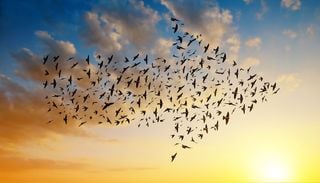
Bird migration, one of the largest natural movements on Earth, reaches peak in May, hundreds of millions of birds take to the skies toward summer breeding grounds in search of food and warmer weather.
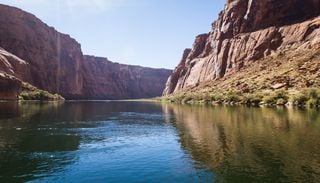
Nearly 40% of Phoenix’s water comes from the Colorado River. The river is now experiencing historically low flows. City leaders are preparing for potential shortages with conservation measures and backup plans. Here’s a closer look at what’s happening.
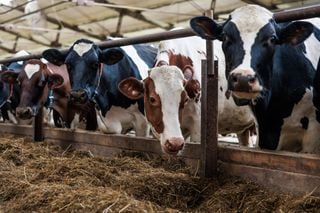
A new study has found that living close to large livestock feeding operations or higher exposure to concentrated animal feeding operations is associated with increased cancer incidence across multiple U.S. states.
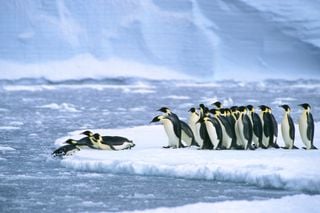
Climate change is threatening several species, including the emperor penguin and the Antarctic fur seal. According to the International Union for Conservation of Nature, both species are now classified as endangered.
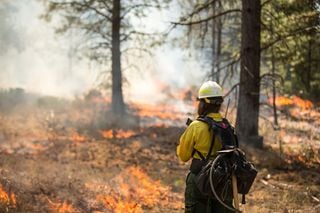
Wildfires driven by climate change are emerging as a major threat to species and biodiversity across many regions, according to a new study. The research warns that without urgent and targeted actions, up to one-third of global species could face extinction from climate change driven wildfires.

You may have noticed that some children put their clothes in their mouths or chew on them. Be cautious, new studies have found unsafe levels of lead in children’s clothing, posing serious health risks to children. Here is a closer look at the risks that lead-contaminated clothes pose to children.
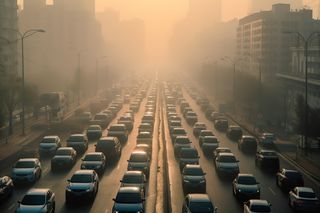
Air pollution threatens most of the world’s population, with climate change–driven wildfires playing a primary role in degrading global air quality, according to a new report.
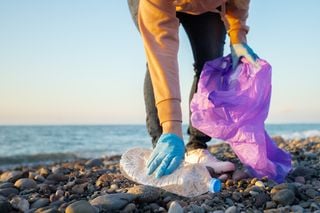
Many of us know the harms plastic poses to wildlife, and small actions—even like picking up a few bottle caps—can reduce its impact on animals and the environment. Ocean Conservancy has launched the Wildlife Impact Calculator, a tool that shows exactly how these small efforts make a real difference in protecting wildlife like sea turtles and seabirds.
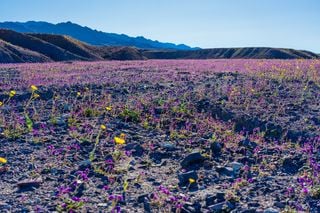
Death Valley National Park is bursting with color as a major wildflower bloom unfolds in March 2026. It is the park’s most vibrant display since the famed 2016 Superbloom. While the desert landscape is filled with shades of yellow and purple, more blooms expected in the coming weeks.
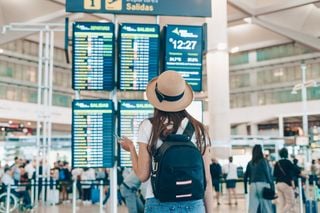
As one of the heaviest winter storms of the season continue to blanket large parts of the United States, thousands of flights are being delayed or canceled, as of Saturday evening.

New York City saw its first measurable snowfall of the winter on Sunday, with up to 6 inches reported in some areas. But how much snow does it actually take to disrupt or shut down the city’s subway system? Find out here.
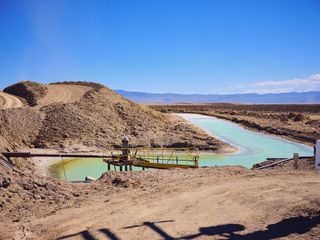
Scientists have discovered a massive deposit of lithium-rich clay buried beneath an ancient volcanic crater on the Nevada-Oregon border. Scientists believe this landscape may contain enough lithium to significantly impact the global battery market, although environmental concerns surrounding its mining remain complex. Here's why it matters.

Mount Rainier in the United States is among the major mountains that are likely shrinking due to climate change, a new study finds. Here’s a look at what’s happening.

Lake Michigan is the second-largest Great Lake and the only one located entirely within the United States. It is among the nation’s most popular destinations, drawing millions of visitors each year. But this stunning scenic destination is also the deadliest of all the Great Lakes in America.

The Florida Everglades provide drinking water to millions of people. But a new study has detected a dozen types of PFAS, also known as “forever chemicals,” in these freshwater resources, raising concerns about public health and environmental safety. Here is what is happening.
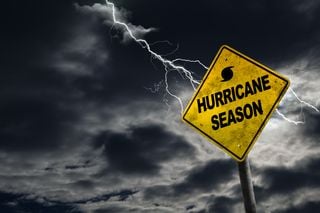
On October 28, Hurricane Melissa became one of the most powerful hurricanes ever recorded in the Atlantic Ocean. Hurricane Melissa, a Category 5 storm with winds reaching 185 miles per hour and a central pressure of 892 millibars, is the third strongest Atlantic hurricane ever recorded.

As the debate over AI in classrooms intensifies, educators are increasingly concerned about its effects on teaching and learning. Yet a recent Harvard study indicates that AI can enhance education—if it is used to actively support students’ understanding rather than simply completing their assignments.
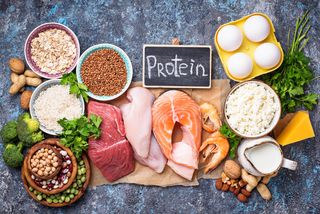
Protein is essential for our bodies, but the conversation around how much to eat can be confusing. Questions about the right amount and the healthiest types of protein—plant sources or animal sources—are widely discussed. Here’s what experts recommend.
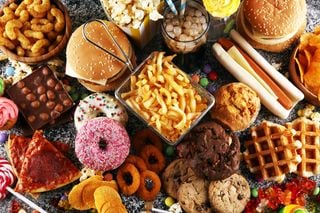
Minimally processed vs. ultra-processed foods: We all know how important food is for our bodies, but how can we tell which food nourishes our health and which harms it? Here is what to know?