
The Impact of Ultra-Processed Food on Our Health
Minimally processed vs. ultra-processed foods: We all know how important food is for our bodies, but how can we tell which food nourishes our health and which harms it? Here is what to know?
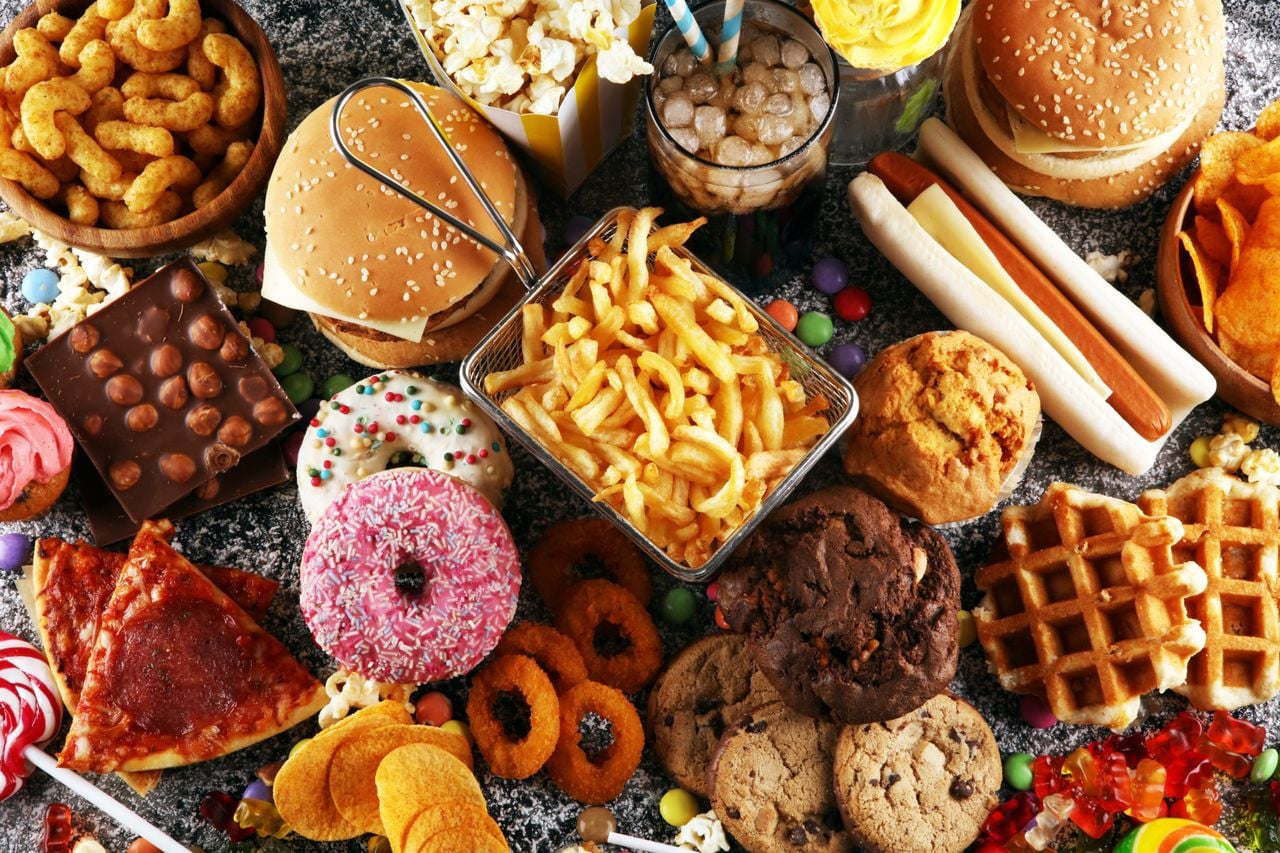
New research highlights the significant effects of processed foods on our health and well-being. Focusing on two categories of foods—minimally processed and ultra-processed—the study reveals the potential harm that ultra-processed foods may pose to our health and well-being. Let’s explore the key differences between minimally processed and ultra-processed foods—and what each means for our health.
Minimally Processed Food
Under the food classification by NOVA, when food’s natural form is altered, whether by removing its inedible part, freezing, or dehydration, it is considered minimally processed. According to NOVA, processing itself is not an issue. This could be something like a pack of triple-washed spinach or a bag of frozen fruit—both of which provide significant health benefits with little to no loss of nutrients. Diets that are focused on minimally processed foods offer substantial benefits, including weight loss benefits.
But should we be cautious about all processed foods? Talking to USA Today, Dena Champion, a dietitian expert, said whether processing makes food safer or harmful largely depends on the type of processing and the extent of processing the food. “The issue with processing begins when we take away desirable nutrients or add undesirable ones that could be harmful to us.”
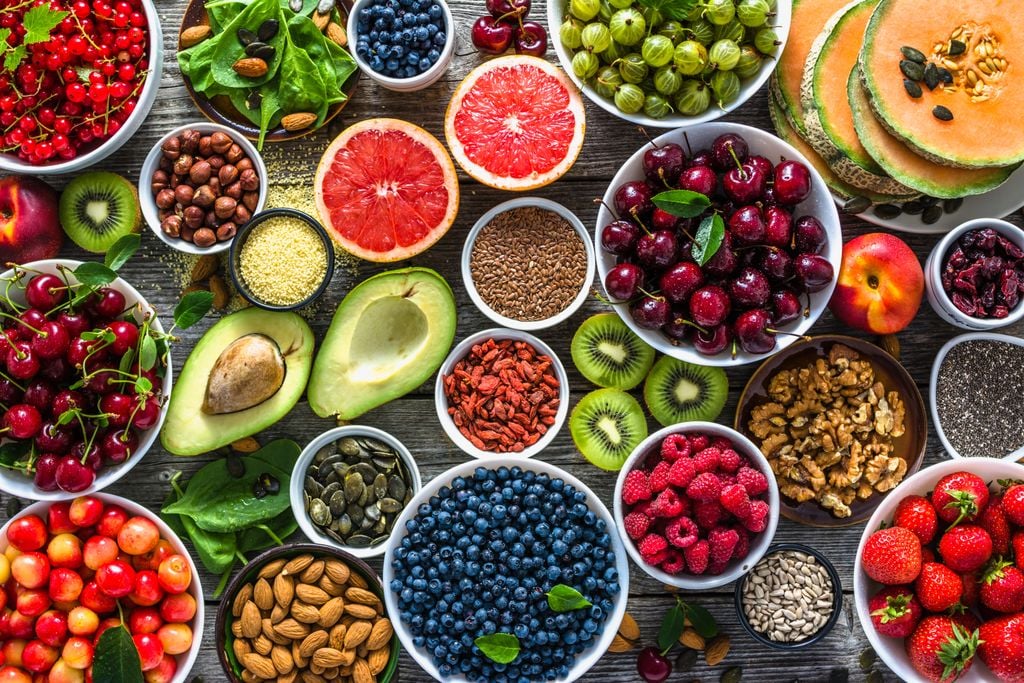
Experts say the problem with processed foods arises when we consistently eat foods that have been processed mainly to enhance the food’s flavor rather than to improve its nutritional value.
What about Ultra-Processed Food?
Ultra-processed foods are products that go through extensive industrial processing, often to the point where they barely resemble the food’s original ingredients. Speaking to USA Today, Dr. Amar Dave, a lifestyle medicine specialist, explained that ultra-processed foods contain numerous additives, including artificial colors, flavorings, emulsifiers, and preservatives. According to the NOVA classification, “sugar, oils and fats, and salt, used to make processed foods, are often ingredients of ultra processed foods, commonly in combination.”
The Implication of Ultra-Processed Consumption
Generally, ultra-processed foods contain higher levels of salt, fat, and added sugar. These ingredients and combination make ultra-processed food highly pleasant and therefore easily overconsumed. According to dietitian expert Dena Champion, consuming large amounts of ultra-processed foods often means we’re not getting enough fruits, vegetables, whole grains, fiber, lean protein, and essential vitamins and minerals, which can contribute to weight gain. According to Dave, more clinical research is needed to determine the long-term health effects of consuming ultra-processed foods, but there are clear connections between the consumption of ultra-processed food and negative health outcomes.
According to newly published data from the Centers for Disease Control and Prevention, many Americans still get most of their daily calories from ultra-processed foods. Therefore, experts emphasize that understanding the difference between minimally processed and ultra-processed foods is crucial for our health and well-being.
Reference:
Minimally-processed vs. ultra-processed foods: What's the difference? What are processed foods? Experts break down their impact on health. August 11, 2025. Boyle C.
Ultra-processed foods, diet quality, and health using the NOVA classification system. Ultra-processed foods, diet quality and human health