
Thousands of Birds Are Migrating to Summer Destinations: Here’s Why They Travel
Bird migration, one of the largest natural movements on Earth, reaches peak in May, hundreds of millions of birds take to the skies toward summer breeding grounds in search of food and warmer weather.
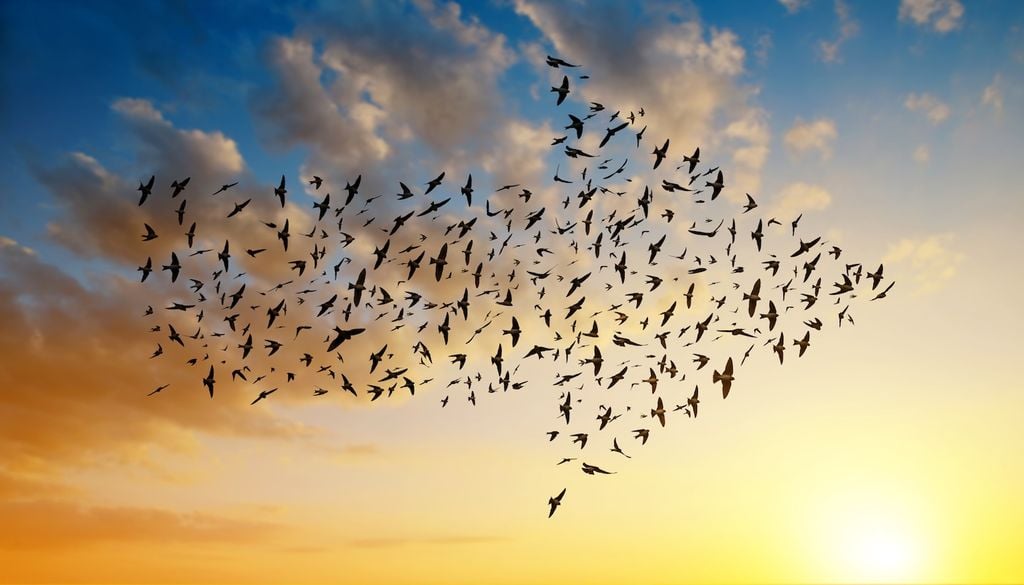
Every spring and fall, billions of migratory birds take to the skies, often traveling thousands of miles between their summer and winter destinations. Spring migration runs from early March to middle June, with peak migration occurring from late April to mid-May.
These mass migrations are a spectacular natural display, and one of the largest on Earth, driven by the search for food, warmer weather, and ideal breeding grounds.
Hundreds of Millions Take Flight Each Night
According to BirdCast, a tracking platform, close to one billion birds were flying over U.S. skies around midnight on May 4, one of the largest migrations ever recorded by the system.
Naturally, birds need habitats with abundant food and suitable weather conditions where they can survive, thrive and raise their chicks. That is why they migrate in response to seasonal changes.
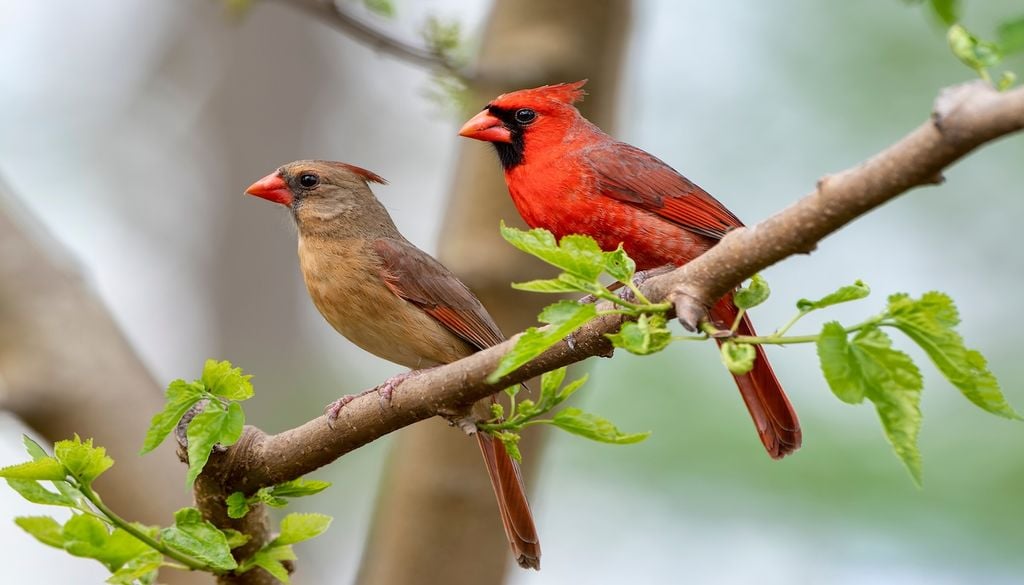
According to records from the Severson Dells Nature Center, North America is home to more than 650 species of breeding birds, over half of which are migratory.
Each spring and fall, around 450 species, from tiny warblers to majestic raptors, embark on one of nature’s most extraordinary journeys: migration. Spring migration occurs across North America, but most birds follow one of four major routes known as flyways.
Bird migration is a fascinating natural process on earth that includes both short- and long-distance journeys, depending on the species. While some birds migrate only short distances within the same region, others undertake long journeys spanning thousands of miles between habitats.
Risks of Bird Migration
Long-distance migrations are more complex and influenced by a combination of factors such as weather, geography, and food availability, and they can also be dangerous. Birds face risks including predators, severe weather, and human-made obstacles throughout their journeys. Habitat loss is one of the biggest threats to migrating birds.
Birds depend on expansive forests, grasslands, and wetlands for food and shelter. However, these landscapes are increasingly being replaced by cities, farms, and roads, forcing birds to expend more energy searching for resources, according to the Severson Dells Nature Center.
This is wild! Nearly 1 billion birds are expected to migrating over the next 2 nights across the US, with tonight and tomorrow night being peak nights for Michigan. 1.6 million birds are estimated tonight for Michigan, and 3.5 million tomorrow night! pic.twitter.com/jqBuokE5iV
— Michigan Storm Chasers (@MiStormChasers) May 7, 2026
Human-altered landscapes have been identified as a significant threat for migrating birds. Window collisions kill an estimated 599 million birds each year, while vehicles account for another 200 million deaths.
Birds also face additional risks from wind turbines, air traffic, and pollution. Most species migrate at night, guided by the stars above, but artificial city lights can confuse them, leading to energy-draining confusion or fatal collisions with buildings.
According to estimates, North America has lost about 3 billion birds since 1970, around 30% of its total bird population. This underscores the urgent need to protect these remarkable species through stronger conservation efforts, such as protection of birds’ habitats and migration routes, as well as the creation of safer environments for both bird populations and their migrations journeys.