
Mount Rainer is Shrinking Due to Climate Change
Mount Rainier in the United States is among the major mountains that are likely shrinking due to climate change, a new study finds. Here’s a look at what’s happening.
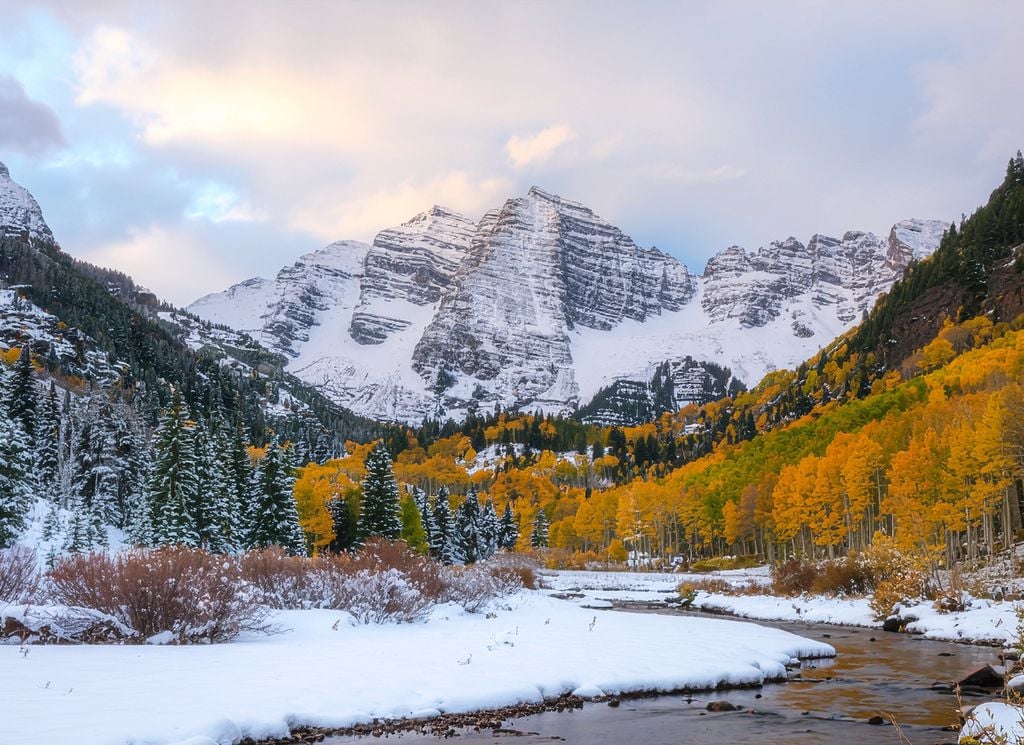
Mount Rainier, a prominent peak in the United States, a popular tourist destination, and an active stratovolcano in Washington State, is likely shrinking due to climate change. Since the mid-20th century, Mount Rainier’s summit has likely decreased more than 20 feet due to melting snow and ice, according to research published in the journal Arctic, Antarctic, and Alpine Research (AAAR).
Researchers utilized satellite data, laser measurements, and historical photographs to track how the five ice-capped summits have changed since the 1950s. They employed new measurement techniques that provide unprecedented accuracy.
Melting Ice and Snow Reduce Summit Heights by 20 Feet or More
According to the study, since the mid-20th century, four of the five summits have lost 20 feet or more in elevation due to melting snow and ice. Researchers noted that the most significant changes have occurred in just the past 30 years. These shifts are driven not only by rising temperatures but also by an increase in precipitation falling as rain rather than snow. Eric Gilbertson, associate teaching professor at Seattle University and co-author of the study, said in a press release that "the average air temperature on these summits is significantly higher than it was in the 1950s, almost 5.5 degrees Fahrenheit."
The Broader Effects of Climate Change on Mountain Ecosystems
The Effects of Climate Change Reach Beyond Changes in Elevation. Mount Rainier, the most glaciated peak in the contiguous United States, features an ice-covered summit and glaciers that supply the headwaters of five major Pacific Northwest watersheds.
Experts say there are currently no comprehensive databases, historical or contemporary, that track ice-capped summits, making it challenging to study the impacts of climate change and rising temperatures on these peaks.
The researchers emphasize the importance of expanding resources to monitor this fragile ecosystem. This includes resurveying mountaintops and incorporating the findings into maps, mountaineering guides, and other relevant infrastructure.
The decline of snow and ice is one of the most visible indicators of human-amplified climate change in mountainous regions around the world. In the contiguous United States, only five locations have maintained year-round frozen peaks over the past century—all of them located in Washington State. However, climate change in recent decades has been threatening this balance by accelerating the loss of ice. Rising global temperatures are also reshaping the elevations of major mountains, including Mount Rainier, a well-known hiking and tourist destination in the United States.
Reference:
Mount Rainier may be shrinking due to climate change: abcnews.go.com/US/mount-rainier-shrinking-due-climate-change-study/story?id=127861385.