
Google’s gas-powered data center in Texas to release more emissions than San Franciso
A few years ago, tech giants were leading the way on sustainable global-scale operations. As competition intensifies towards an AI future, they are burning fossil fuels to power their massive data centers.
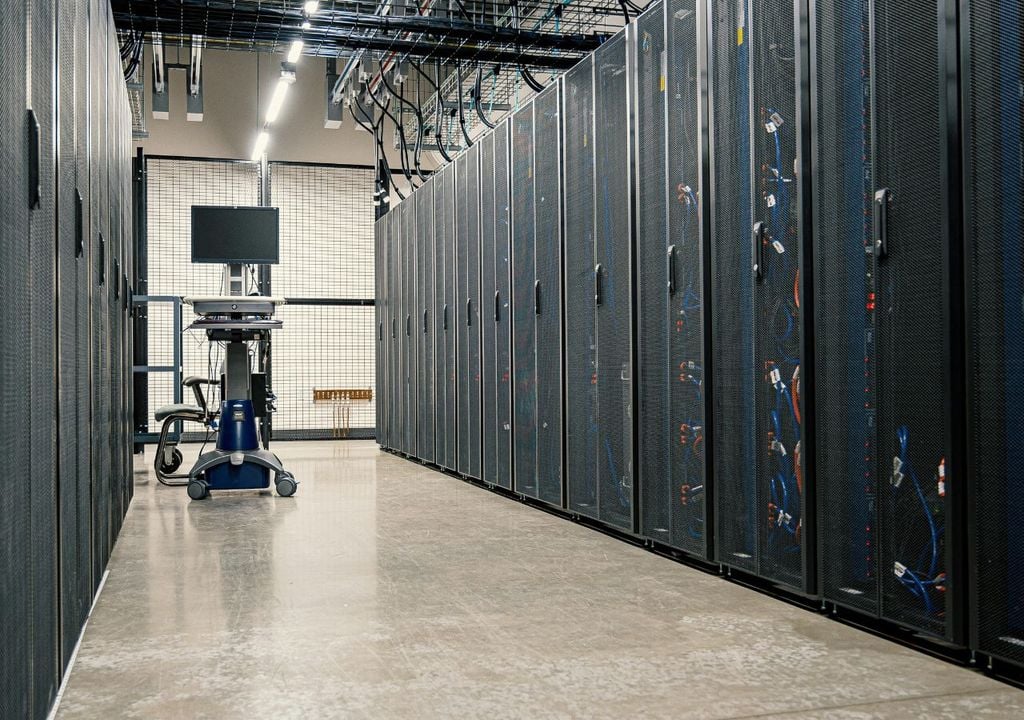
Google's newest data center to power its artificial intelligence (AI) applications will be powered by natural gas, an investigation has revealed. This is the third data center that Google is willing to power using fossil fuels this year, after being a climate leader of the tech industry no more than six years ago.
In 2020, Google set an ambitious net-zero goal for all its operations by 2030. But as the AI race heats up, Google is prioritizing its business goals over climate ones and is willing to even push the construction of new gas-powered plants to meet the energy requirements for its data centers.
What did the investigation find?
The investigation carried out by Cleanview, an organization that monitors energy projects, found that Google was working with Crusoe Energy to build the Goodnight campus in Texas. To power the data center, Crusoe Energy filed for a permit in January to build a 933 megawatt power plant. The off-grid facility will power two buildings and satellite images confirmed that construction is underway.
As per Crusoe’s application, the power plant will emit 4.5 million tons of carbon dioxide per year, more than the entire city of San Francisco, highlighting Google’s priorities. This is the third facility that Google will power using fossil fuels, after entering agreements to purchase power from gas-fired facilities in Illinois and Nebraska.
When questioned by the media, Google did not deny the Texas project but also noted that it did not have an energy purchase contract in place yet.
Competition over commitment
Just six years ago, Google was leading the way to a sustainable future in the tech sector. However, its commitments have been overtaken by competition as companies look to build bigger data centers to power AI applications.
By 2024, Google’s emissions had shot up by 48 percent, and a year later, the company said its emissions targets were “climate moonshots.” Moonshot is the term Google uses for projects that may or may not materialize. For instance, it's self-driving cars or Wi-Fi relaying balloons in the stratosphere.
Microsoft too is joining Google in Texas, after it signed a deal with Chevron to build a 2.5 GW gas-powered plant with another gas-powered data center planned in West Virginia.