
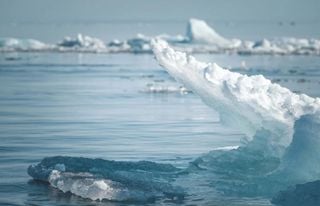
Efforts to fight climate change do not seem to be having the intended effect, as the hottest summers have been marked by extreme weather. Or is it that the planet is heating much faster than we realise?

Passionate about communicating science, Ameya graduated from The University of Sheffield and worked in the genetics testing industry for 10 years before taking the leap into writing for science enthusiasts.
His writing journey began with raising awareness about the COVID-19 pandemic and steps to combat it. Ameya has since forayed into writing about a wide range of topics ranging from artificial intelligence to renewable energy and everything in between.
Working as a freelance writer has allowed Ameya to freely explore different areas of science, something that was amiss in the laboratory.
Efforts to fight climate change do not seem to be having the intended effect, as the hottest summers have been marked by extreme weather. Or is it that the planet is heating much faster than we realise?

What if we told you of an insect repellent made from kitchen waste that is pet-safe, fridge-safe, and gives off a pleasant, welcoming aroma? Would you try it?
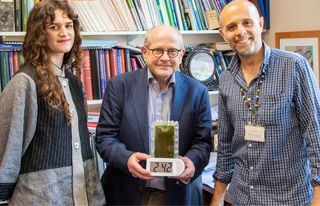
Manufacturing disposable batteries is an energy-intensive process and requires the mining of minerals, which degrades local habitats and ecosystems. Algal cells could potentially replace them but never need replacement themselves.

Ocean temperatures hit a record 21 degrees Celsius in June. With El Nino advancing, we could be entering a new phase of climate change with greater consequences for the weather patterns, and marine ecosystems.
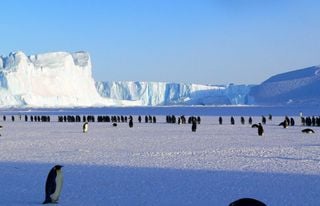
The name Antarctica paints a picture of vast, endless white snow. But warmer weather is melting these ice shelves quickly, and human missions are at risk.

As the climate change crisis worsens, we need to build climate resilience into our systems and innovate to face the changing world. London wants to lead the change and support those most at risk.

Mushrooms are associated with dead and decaying things. So, when they appear in plant pots, it can be a major reason for worry. But here's where experts differ.

Is climate change really the cause behind extreme weather events? Have they never occurred before? Scientists turned to growth rings of Amazonian trees to find out.

The FIFA World Cup is just a few days away. Cooling breaks are mandatory in each half, but the game could see more disruptions due to weather, warn experts.

Best-before dates do not mean that you need to throw the contents away the day after. Not knowing this difference leads to food being binned every day in the UK and Europe. This needs to be fixed immediately as the cost-of-living crisis escalates.

Is the AI chatbot your good companion? Does it give you good health advice, understand you, and keep you happy? Turns out, it is achieving all this by not telling you the truth.

It might not be very obvious but even same species of birds do not sing the same song everywhere. Yellowhammers introduced in New Zealand from Britain in the late 1800s developed seven different dialects, some of which are not heard in the UK any longer.

In our anthropogenic view of the world, humans occupy center stage and nature is malleable to meet our needs. This view must change if we are to overcome climate change.
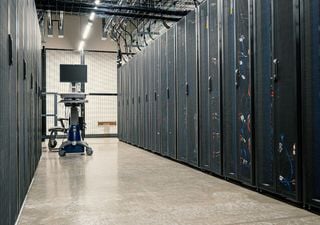
A few years ago, tech giants were leading the way on sustainable global-scale operations. As competition intensifies towards an AI future, they are burning fossil fuels to power their massive data centers.

Two protoplanets, one five times as big as Jupiter and the other ten times the size, are forming near the young star WISPIT 2.
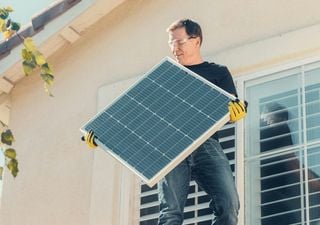
Germany is home to 1.2 million households with installed solar panels, tapping into solar power. But elsewhere, the adoption of these systems is meeting stiff opposition from power utilities.
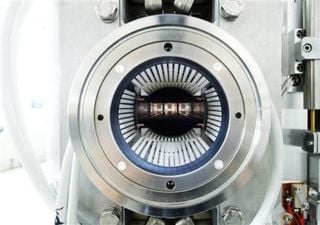
During the Big Bang, matter and antimatter were created in equal amounts. But the world around us is largely made up of matter. To understand why, scientists want to create antimatter and send it to labs where they can be studied in detail.

Can you imagine an AI model so small that it could be sent across the world as an email attachment? That's the new AI model built by scientists in the US, heavily inspired by the human brain.
Oceans are becoming more acidic by the day, and this impacts their ability to absorb CO2 and keep it locked away. Will a human intervention to increase its alkalinity work out in the long run?

AI companies are under pressure to roll out new tools to win new customers. But the approach could spell doom in the future, because we do not know what its flaws are.