

Often, we end up daydreaming or wondering what life would have been like if we had chosen otherwise. Scientists have long believed this ability is unique to humans but it may not really be so.

Often, we end up daydreaming or wondering what life would have been like if we had chosen otherwise. Scientists have long believed this ability is unique to humans but it may not really be so.

SpaceX's Starlink satellites are already hindering the visibility of ground-based telescopes. Imagine a million such satellites dotting the night sky.

Countries like Spain are seeing the most extreme weather events as a result of climate change. But professionals sharing information about these events are facing the worst on social media.

Mt. Everest, the tallest peak in the world, is always seen snow-clad. But lower elevations in the Himalayan range are seeing less and less snowfall in the past few years.

NASA’s Artemis programme has faced further delays, pushing back plans to return astronauts to the Moon, while China is accelerating its own lunar ambitions, including long term plans to establish a permanent base on the Moon, intensifying the global space race.
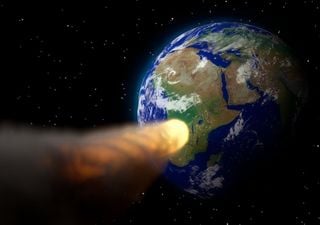
Scientists from the University of Oxford have tested whether high energy beams could be used to deflect an asteroid on a collision course with Earth, experimenting on a small meteorite and uncovering results that challenged expectations about planetary defence strategies.

The recent trend of moving from dry kibble to wet and raw pet food has environmental impacts. More meat means more carbon emissions but are pet owners willing to pay the price?

Heard of a furnace in space? A UK-based company is building one that can make enough semiconductor material to manufacture 10,000 chips.
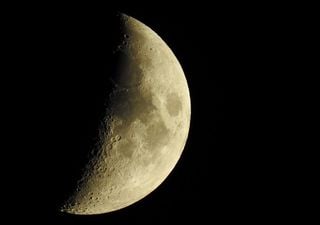
When a satellite nears the end of service, it is deorbited and allowed to burn up in the Earth's atmosphere. The Moon lacks an atmosphere, prompting a new way to dispose off old spacecraft.

Churches keep records of times when their organs were tuned. These can date back decades or even more. This can be a goldmine of data related to the changing climate over the years.

An analysis from the Pesticide Action Group showed foods eaten everyday are loaded with forever chemicals that are impacting our health in the long term. Campaigners want an immediate ban on certain pesticides that make their way into our daily bread.

It was believed that cats began interacting with humans in the Levant along with the dawn of agriculture. New DNA evidence suggests that the timeline is off by a few thousand years.

Standing up to Aristotle was tough, especially in an era with no access to telescopes. Imagine the conviction in your thought process that physics is used even 800 years later. That's the story of Richard Fishacre.

Monitoring blood pressure, cholesterol, weight and sugar levels have always taken precendence when it comes to cardiovascular health. However, maintaining a simple set of habits from a young age give better results than monitoring these parameters, finds a new study.
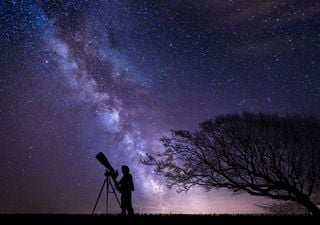
Astronomers spend countless hours going over large amounts of data to spot if an event recorded by a telescope was real or an artefact. In a major development. a regular AI model could do the job with high accuracy.

Social media is rife is 'hacks' that can cure cancer by doing just one simple thing every day and no side effects. While we understand that these cures do not work, we want to believe in them. Scientists tell us why they manage to strike the right chord every time.

Cambridge researchers make huge strides in understanding the role of genes involved in breastfeeding disorders and postpartum breast cancer.
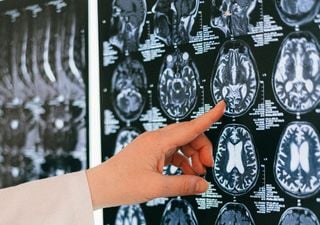
Huntington disease is a neurodegenerative condition that is fatal within two decades of its onset in adults. A one-time brain surgery combined with gene therapy could slow it down by 75 percent on an average.

Data collection is an important step in understanding the root cause of a certain event. In England, weather changes and socioeconomic factors lead to a larger number of children's deaths, finds new analysis. What is the cause of the tragic deaths?

Parasitic infections that were prevalent in southern Europe are now being seen more regularly in the UK. Understanding the root cause is crucial to preventing them from spreading widely in domesticated animals.