
Like Mars: A Massive Sandstorm Sweeps Across Western Iraq, Turning Day Into Night
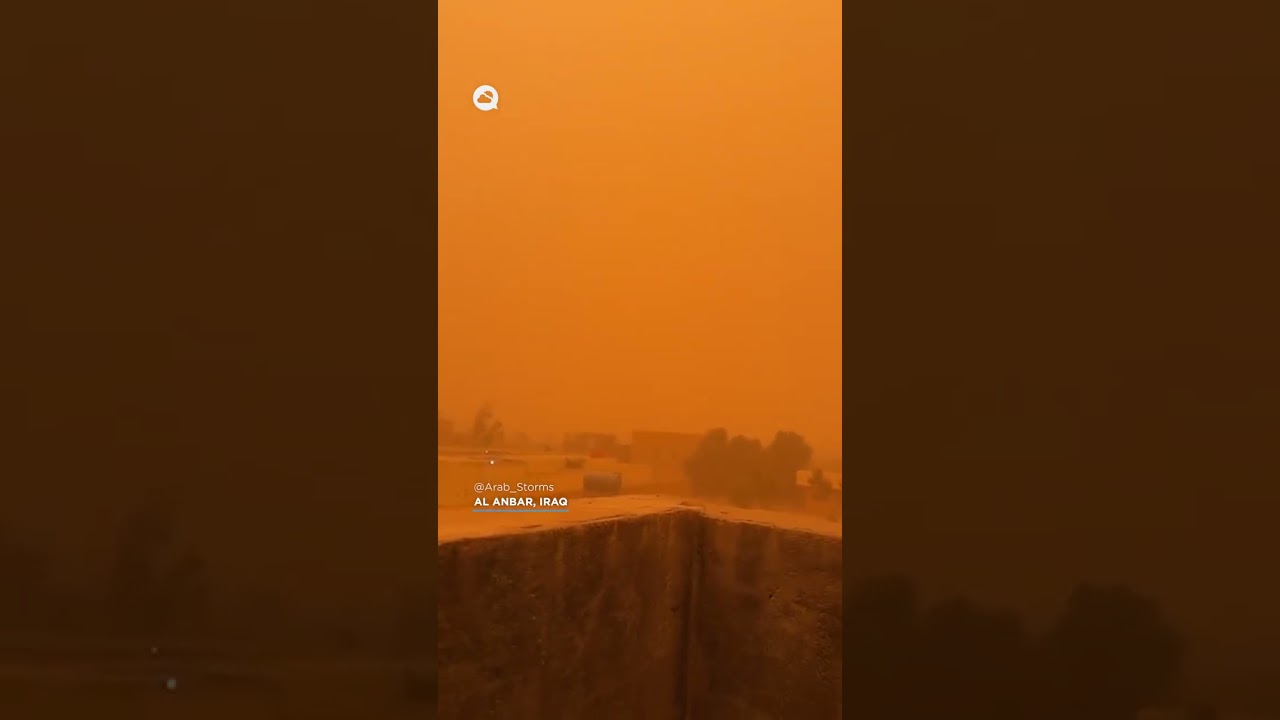
An intense sandstorm has swept across Iraq’s Al Anbar province, creating a massive wall of dust over roads and urban areas. Visibility has been drastically reduced, and local authorities are urging residents to take extra precautions.
Al Anbar, in western Iraq, one of the eighteen governorates that make up this Arab country, has been engulfed by a spectacular sandstorm that transformed the landscape in a matter of hours, creating scenes reminiscent of the planet Mars.
A massive wall of dust advanced over roads, residential neighborhoods, and commercial areas, drastically reducing visibility, complicating mobility for both vehicles and pedestrians, and creating a serious public health problem.
Images captured by witnesses and shared on social media show the sky completely tinted orange and a dense curtain of sand covering the horizon.
Orange Skies and Roads With No Visibility
This meteorological phenomenon, common in arid regions of the Middle East, has caused major complications in one of Iraq’s largest provinces. In Al Anbar, thousands of drivers have been forced to travel at very low speeds or even stop completely due to the inability to see the road clearly.
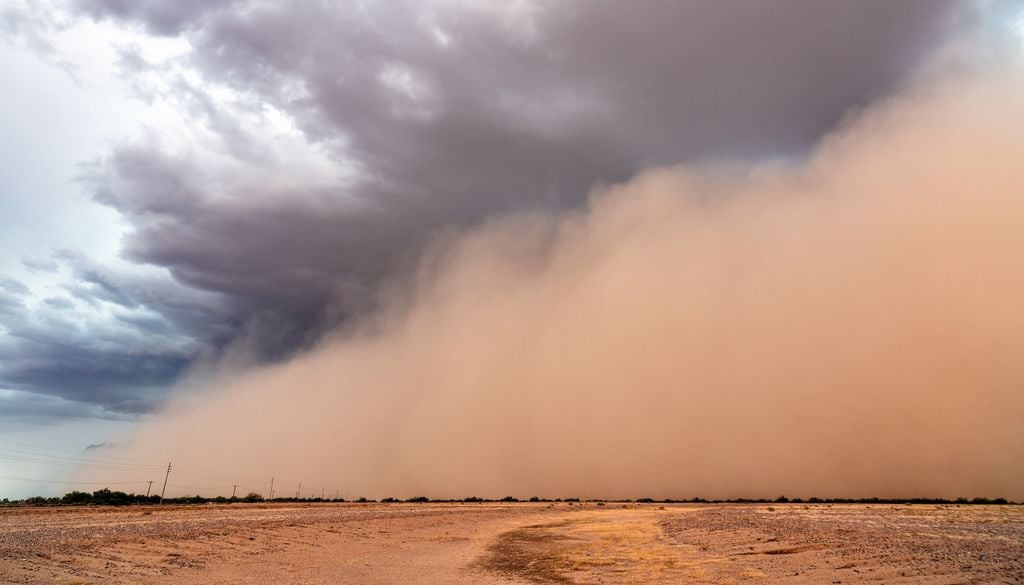
The sand suspended in the air has also forced residents to stay inside their homes as a preventive measure, since this type of storm often causes eye irritation, breathing difficulties, and an increase in medical visits related to asthma and lung conditions.
For this reason, local authorities have recommended avoiding unnecessary travel, especially during the hours when the storm is most intense. In addition, the use of masks and eye protection is strongly recommended to reduce the effects of suspended dust, especially among people with respiratory problems, older adults, and children.
A Public Health Challenge as Well
Iraq has been facing increasingly intense sandstorm episodes for years. These phenomena have become more frequent due to desertification, lack of rainfall, and the advance of climate change, factors that worsen soil degradation and make it easier for large masses of dust to rise into the air.
Although this time the epicenter was located in Al Anbar, other regions of the country are also often affected by these storms. In previous episodes, thousands of people were hospitalized for respiratory problems. For example, in April 2025, more than 3,700 people needed medical care in Iraq due to incidents related to a similar sandstorm, while in previous years the figure exceeded 5,000 affected people.
Living with this type of phenomenon is becoming an increasingly common reality in Iraq. In fact, Iraq’s Ministry of Environment has already warned that the number of “dust days” could increase significantly in the coming decades, which not only disrupts the daily routine of the population but also represents a serious challenge for public health, transportation, and economic activity across the country.