
Mega wildfires in southern France detonate more than 400 unexploded shells left behind from the Second World War
An unprecedented wildfire crisis has engulfed France, giving rise to an unexpected phenomenon: the explosion of historic ammunition. The wildfires triggered the detonation of deadly Second World War weaponry that had lain hidden beneath the ground for decades.
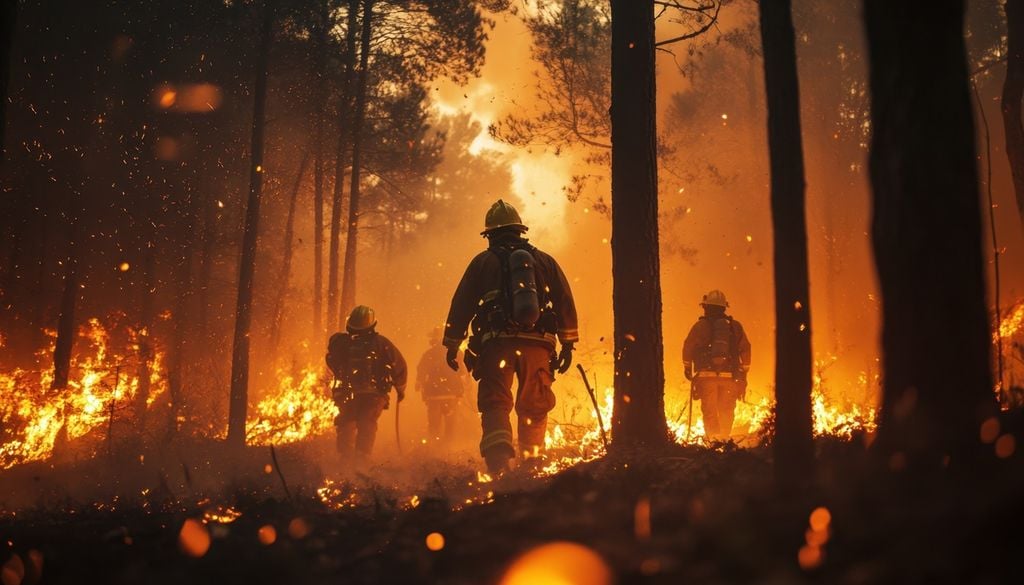
The picture-postcard landscapes that traditionally characterise south-western France have been transformed into scenes of devastation. Prolonged drought conditions and persistently above-average temperatures have fuelled the rapid spread of the fires across vast areas of vegetation, dramatically altering the ecological balance of the region.
This extreme combustion event caused the fire to spread beneath the surface, where it came into contact with unexploded munitions from the Second World War that had remained buried beneath layers of forest humus. The incident highlights the dangerous intersection between the modern climate crisis and the lingering environmental legacy of war.
Gironde department
The Gironde region has become the epicentre of this environmental disaster. More than 40,000 hectares of forest have been destroyed, generating pyrocumulus clouds and causing severe damage to local ecosystems, resulting in the highest level of deforestation recorded since 1949.
Meteorological observations indicate that low humidity levels and strong winds acted as catalysts for the uncontrollable spread of the flames. These conditions prevented firefighters from quickly containing the blaze and required an unprecedented emergency response operation across the region.
Despite the severity of the fires, containment measures succeeded in protecting economically important wine-producing areas. However, the ecological impact on local wildlife and the disruption to soil cycles remain extremely serious.
The town of Le Porge
The municipality of Le Porge was affected by both structural fires and exploding ordnance. In this area, intense heat within the soil triggered a chain reaction that caused almost 100 mortar shells and Franco-German anti-tank weapons to detonate.
The force of the explosions, which were initially mistaken for exploding domestic gas cylinders, led authorities to establish a strict exclusion zone. Specialist bomb disposal teams were called in to neutralise around 400 rusted explosive devices that had emerged from beneath the surface.
Containment and disposal operations delayed the return of residents to affected communities. According to local media reports, the authorities implemented risk management procedures to ensure that the ammunition could be safely collected and later destroyed on military land.
The Landes de Gascogne forest
The forest ecosystem of the Landes de Gascogne has suffered extensive damage. Burning pine resin and dense layers of organic matter facilitated the spread of underground fires, transferring heat directly to buried wartime munitions.
This transfer of heat by conduction raised the temperature of Second World War metal casings beyond the point at which they remained chemically stable. The result was a series of spontaneous explosions that significantly complicated efforts to bring the fires under control.
Post-fire analysis has revealed that the destruction of the forest canopy – the uppermost layer of a forest formed by the crowns of the trees, which filters sunlight, reduces the impact of rainfall and helps retain moisture in the air – exposed a considerable amount of shrapnel and numerous secondary craters. Archaeological surveys and extensive decontamination work will now be required before the forest can be considered safe again.
News reference
BBC. France wildfires reveal hundreds of WW2 shells in village.