
Pyrenees glaciers are melting at an alarming rate: Aneto is breaking apart, and another is on the verge of disappearing
Not even a spring with record-breaking snowfall has been enough to slow the melting. Scientists have identified alarming changes that threaten the survival of the last remaining glaciers in the Pyrenees.
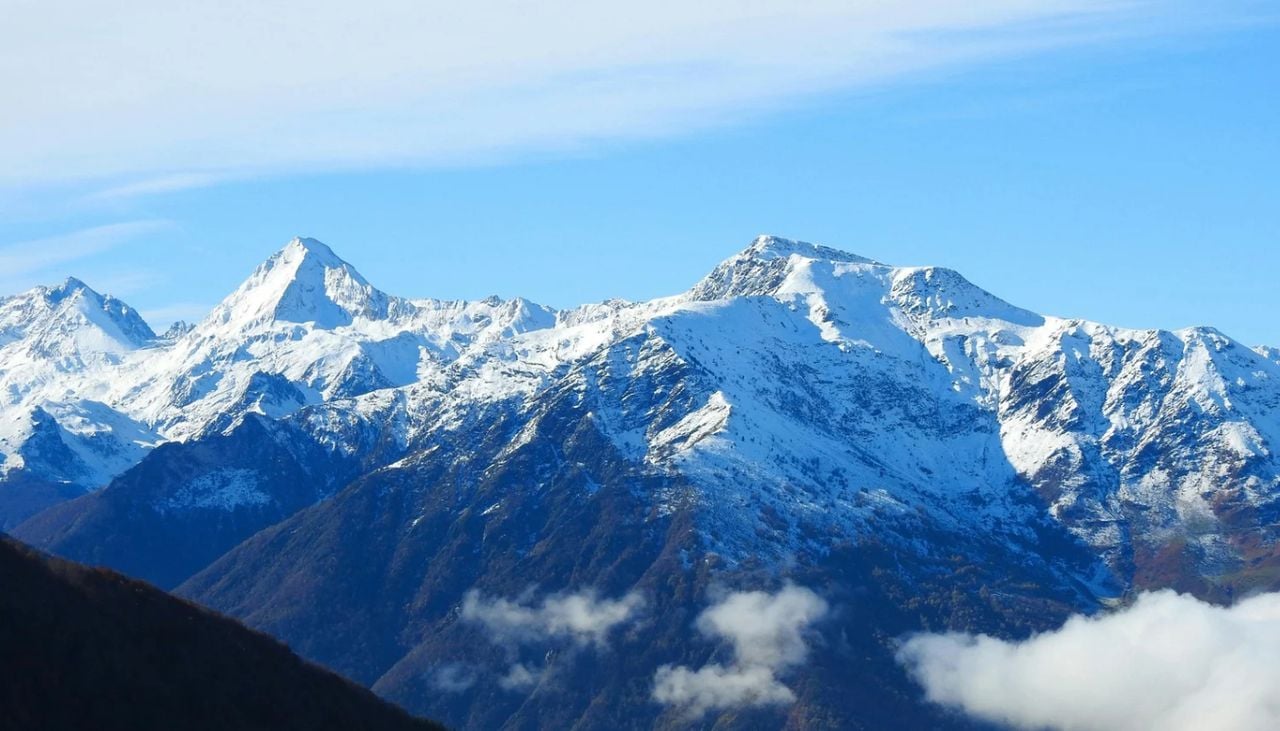
The glaciers of the Pyrenees are facing one of their most critical periods. The latest measurements by Spanish scientists confirm that ice loss continues at an alarming rate, with some of these ice giants losing their original structure.
The latest monitoring campaign conducted by the CryoPyr group at the Pyrenean Institute of Ecology (IPE-CSIC) has revealed that the Aneto Glacier has now split into four distinct bodies of ice, while the Llardana Glacier, located in the Posets massif, may be experiencing its final year as an active glacier.
Aneto loses up to 4.8 meters of ice thickness
One of the most significant changes has occurred at the Aneto Glacier, the largest in the Pyrenees, where researchers have confirmed a new fragmentation beneath Pico del Medio. This split follows another detected in 2025 beneath Pico de Coronas, leaving the glacier divided into four increasingly smaller and more isolated sections.
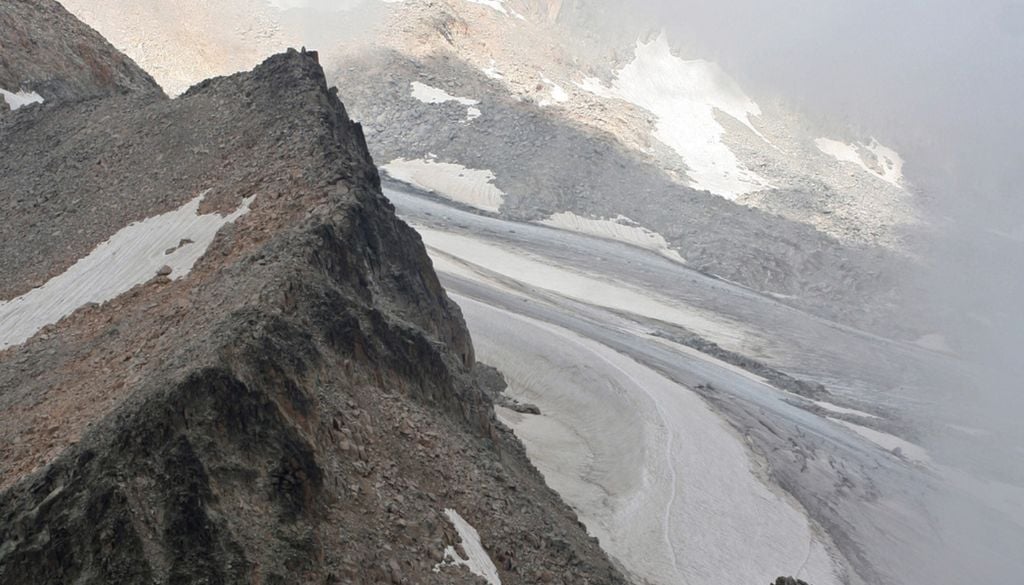
Drone measurements show that Aneto has lost an average of 2.4 meters of ice thickness over the past year, with losses reaching 4.8 meters in some areas.
However, even more concerning figures have been recorded elsewhere in the mountain range. The Ossoue Glacier, located in the Vignemale massif, has experienced an average loss of 3.1 meters, with localized reductions of up to 4.9 meters. Meanwhile, Monte Perdido has lost an average of 2.3 meters, although ice thickness has decreased by as much as six meters in certain areas, the largest localized loss recorded during the entire campaign.
The Maladeta Glacier has not escaped this trend either. According to measurements by the Ebro River Basin Authority, it has recorded an average reduction of 2.3 meters in ice thickness.
A glacier in the Pyrenees may be nearing its end
The situation is particularly critical for the Llardana Glacier in the Posets massif. Despite being located in an area favorable for snow accumulation, it has lost an average of 1.5 meters of ice thickness over the past year, with localized reductions of up to 3.4 meters. Its deterioration is so advanced that much of its surface is covered with rock debris, and very few areas remain where snow can transform into new ice.
In an interview with SER Pirineos, Jesús Revuelto, a researcher with the CryoPyr group, stated that this will probably be the last year Llardana can still be considered an active glacier.
Conditions are also concerning at Monte Perdido, where new areas of exposed rock have appeared and one of its lower sections shows signs of turning into a residual ice patch. Meanwhile, the Ossoue Glacier has shown no apparent movement for several seasons, a sign that it is progressively losing its glacial dynamics.
Even record snowfall cannot stop the melting
One of the most striking findings of this research is that the extraordinary snow accumulation recorded last spring was not enough to offset ice losses. Scientists warn that glaciers in the Pyrenees are particularly vulnerable to increasingly warm and prolonged summers, which can cause more ice to melt than the amount of snow accumulated during the preceding months.
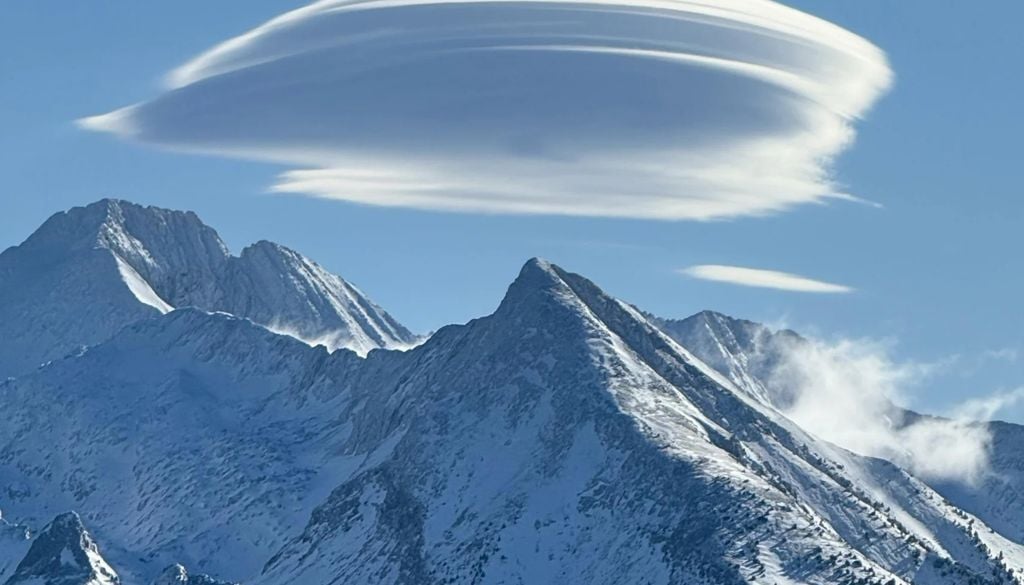
Another problem is contributing to the melting: the darkening of glacier surfaces due to the accumulation of dust, rocks, and other materials. These deposits can increase the absorption of solar radiation and accelerate ice loss.
In addition, researchers have observed rockfalls in glacial cirques, a process linked to temperature changes and permafrost degradation. After 16 consecutive monitoring campaigns, the results confirm a recurring trend: glaciers in the Pyrenees continue to lose thickness, surface area, and their ability to recover.
The fragmentation of Aneto and the possible end of Llardana as an active glacier demonstrate that the transformation of the Pyrenees' glacial landscape is already underway and continues even after winters with exceptionally favorable conditions.