
Saving Pangolins: Efforts Around the World Are Underway to Fight the Extinction of This Mammal
Pangolins are the most trafficked mammals in the world. Their meat is highly valued as a luxury item, leading to large-scale illegal trafficking across Southeast Asia. However, reports from local communities repeatedly help make their rescue possible.
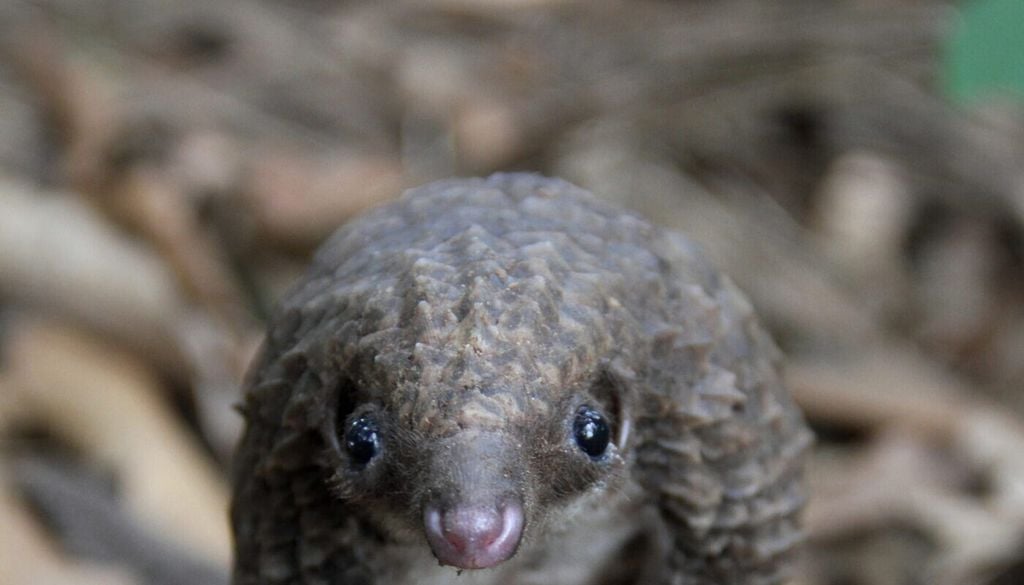
Pangolins, also known as scaly anteaters, play a major role in the international illegal wildlife trade. They are the most trafficked mammals in the world. According to conservation organizations, millions of animals enter the illegal trade each year.
Pangolins have probably existed for more than 50 million years. Today, they are found mainly in Southeast Asia and Africa. The eight known species are strictly protected under the Convention on International Trade in Endangered Species of Wild Fauna and Flora (CITES).
Southeast Asia Is a Hub for the Illegal Trade of This Animal
Southeast Asia is considered one of the main hotspots for the illegal wildlife trade. Capture, smuggling, and resale converge here. The animals are transported by land, in vehicles, and through local networks, often between rural hunting areas and urban markets.
Most animals do not survive transport. Reasons include extreme stress, inadequate living conditions, and long transport routes. Demand is driven mainly by traditional medicine and the exotic meat trade.
Pangolins are gentle, shy mammals struggling to survive.
— World Animal Protection (@MoveTheWorld) January 5, 2026
All eight species are now threatened, facing illegal wildlife trade and habitat loss.
Every pangolin needs our protection. pic.twitter.com/n6eEkEAU9R
NGOs report that live animals and animal products are traded in parallel. While pangolins are often targeted for their meat or scales, other species are sold as exotic pets or for traditional medicine. The structures of this trade are difficult to dismantle because they are flexibly organized and often operate across borders.
Hotlines and Social Media Help Report Smuggling
Because government controls are limited in many regions, citizen reports play a crucial role in uncovering smuggling activity. NGOs run hotlines or use social media to receive and share reports.
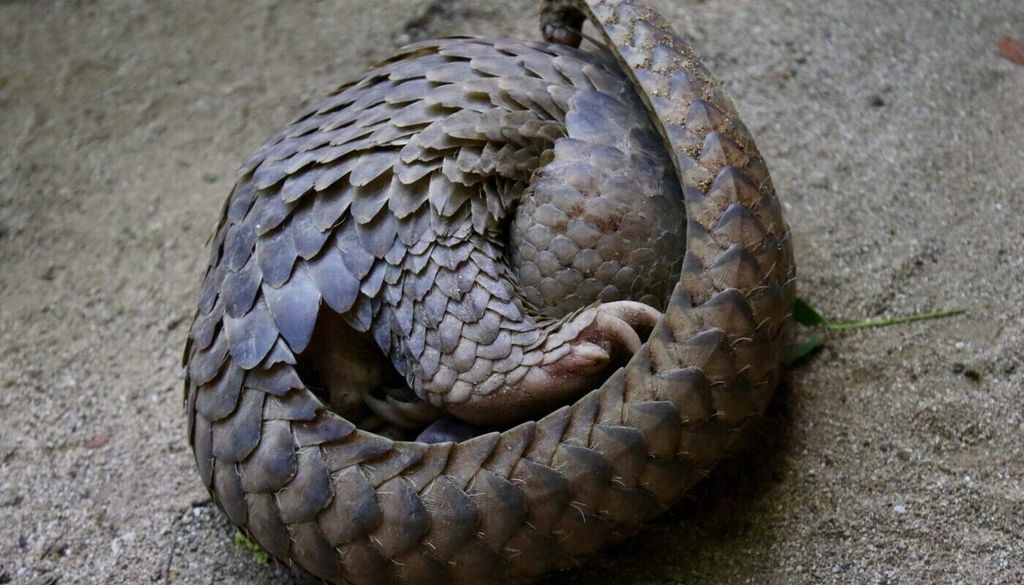
One example is the organization Education for Nature Vietnam. Since 2021, its hotline has helped lead to the seizure of nearly 52,000 animals. "Around 60% of reports result in the recovery of live animals," says Doug Hendrie, head of the organization’s wildlife crime unit. Species affected include otters, slow lorises, sea turtles, owls, and tigers.
– Brian Crudge, Free the Bears Regional Director for Southeast Asia
In Laos, similar organizations exist, such as Free the Bears, which is dedicated to animal welfare. In 2025, they received 99 reports involving 176 animals from 81 species. These reports are often sent through messaging services such as WhatsApp or Facebook. However, while a higher percentage of cases in Vietnam result in confiscations, far fewer cases in Laos lead to action.
The Limits of Reintroduction Into the Wild
The degree to which measures against wildlife trafficking are implemented depends largely on local resources. In some cases, there is a lack of capacity or financial resources to carry out operations. NGOs also report additional costs that arise when cooperating with authorities.
In Laos, for example, fees have been charged in some cases for rescue operations, amounting to several hundred dollars per rescue. These structural obstacles directly affect the number of successful seizures.
Nevertheless, hotlines provide important data on trade patterns, routes, and affected species. They are therefore considered not only a rescue tool, but also an early warning system for new trends in the illegal trade.
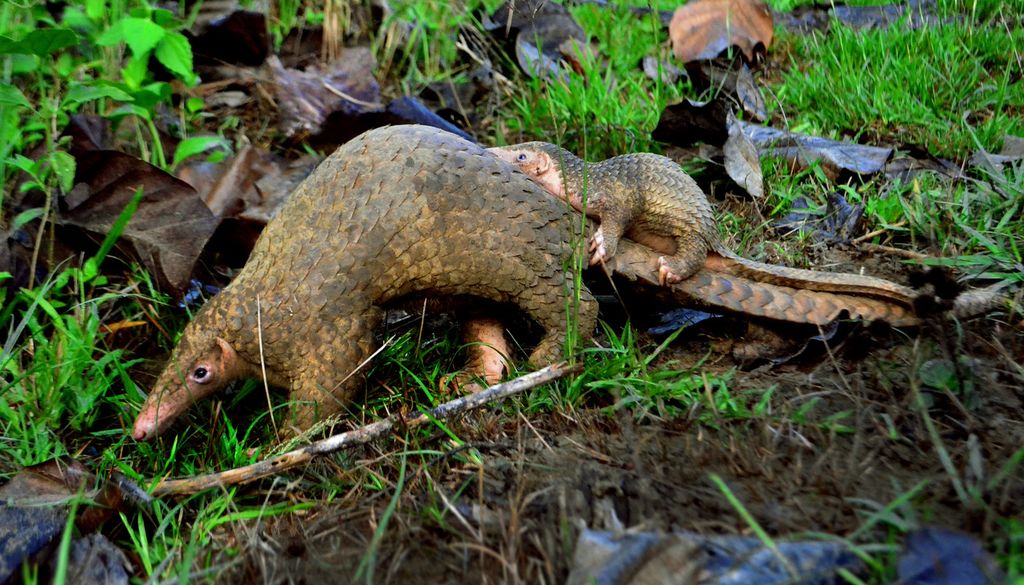
Rescued pangolins often require intensive medical care. These animals are extremely susceptible to stress and feed exclusively on ants and termites, making them difficult to care for in captivity.
Many countries lack specialized facilities to meet these needs. Therefore, NGOs often provide initial care and stabilization before the animals are transferred to sanctuaries.
A Complex Release Process
Releasing pangolins back into their natural habitat is a complex process. Often, the animals are found far from the place where they were captured, making species-appropriate release difficult. In the worst cases, release can result in the animals’ death or atypical behavior.
However, pangolins are generally considered suitable for release compared with other species, as long as they survive capture and transport.
Certified bug inspector #DidYouKnow A single pangolin can eat up to 70 million insects in a year!
— Animal Planet (@AnimalPlanet) April 24, 2026
: Tanto Yensen#pangolin #wildlife #tongue pic.twitter.com/A4NdjqrjtH
The pangolin trade remains a global problem. These animals are at the center of a network of demand, smuggling, and weak law enforcement.
At the same time, the high number of successful seizures carried out through hotlines and NGOs shows that public reports have become a crucial factor in the fight against the illegal trade in wildlife.