
The Latest Arctic Blast Was Cold, But It Felt Even Worse Because of Climate Change
Frigid cold gripped many parts of the country over the last couple of weeks, but it felt even worse for many as the baseline for winter weather conditions has crept up due to climate change.
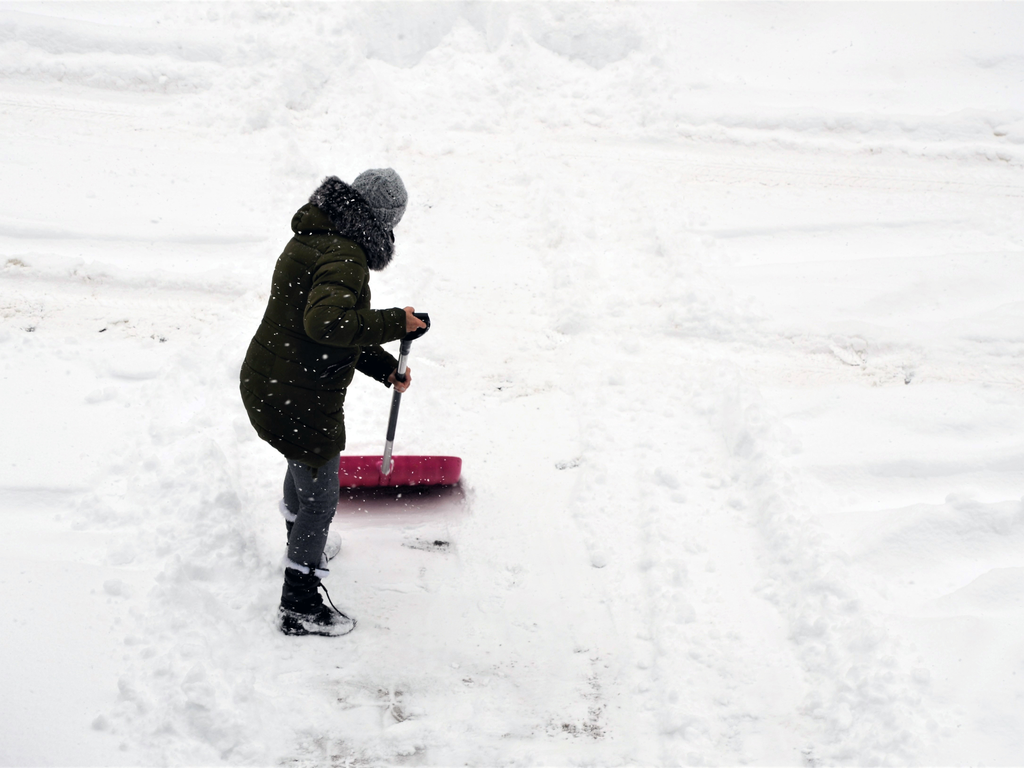
Frigid temperatures gripped a large swath of the country over the last two weeks as cold Arctic air plunged southward. Temperature records were broken in some areas, and these freezing temperatures were extremely newsworthy. But the cold was generally not "unprecedented".
The fact is that colder temperatures are becoming rarer due to a warming world. With that, younger people are experiencing them less often, so when the cold grips the nation, it certainly feels more brutal.
Hottest Years On Record
The planet has been warming since the Industrial Revolution as greenhouse gases have been emitted into the atmosphere. Since the start of the 21st century, those temperatures have been extraordinarily warm, with the last few years being the hottest on record.
This weeks cold blast was a total freak-show. Dozens of record lows were broken. That just doesnt happen in #Florida anymore - until now. See Map.
— Jeff Berardelli (@WeatherProf) February 4, 2026
Since 2020, Tampa and Miami have only had 1 record low each - both this season. Ft Myers 2. But each city has had well over 100 pic.twitter.com/HZzRBGsqAg
With warmer conditions settling in across the world, younger people, particularly those born since the 1990s, have not had as much exposure to the freezing temperatures compared to older adults.
Recent Mild Winters Mean A Tough Adjustment
Climate Central has been analyzing the occurrence of warm winter days and the reduction of freezing nights.
Want a good example of weather vs. climate? It's outside your window right now!
— Climate Central (@ClimateCentral) January 29, 2026
It's fair to say that for many in the U.S. it's quite cold out.
And yet, not only is winter warming quickly as a season but it's the fastest warming season for the central and eastern U.S. pic.twitter.com/0a6S2DAxNR
In their latest data, 86 percent of the 244 U.S. cities analyzed are now experiencing "more extremely warm winter days than in the 1970s". According to their analysis, this means that in those cities, around six more days on average are extremely warm during the winter.
They write in their analysis: "In the U.S., 28 states experienced at least one additional week worth of winter days above freezing each year (2015-2024) due to climate change".
It Used To Be Much Colder
It doesn't take long for people to forget how cold temperatures or how past weather conditions once were. According to a 2019 study published in the journal Proceedings of the National Academy of Sciences, people's reference point for "normal conditions" is based on the last 2 to 8 years.
The scientists write in the study, "this rapidly shifting normal baseline means warming noticed by the general public may not be clearly distinguishable from zero over the 21st century, with potential implications for both the acceptance of global warming and public pressure for mitigation policies."
With all of that in mind, people are becoming less used to cold winter conditions, and they remember the cold less as well. So when Arctic air does settle in, it takes a longer adjustment period and psychologically might be perceived as colder.
News Reference
Fewer Freezing Nights. Climate Central.
Rapidly declining remarkability of temperature anomalies may obscure public perception of climate change. Moore et al. PNAS.