
Thousands of pink sea cucumbers cover beaches in Thailand: the video of the phenomenon baffling scientists
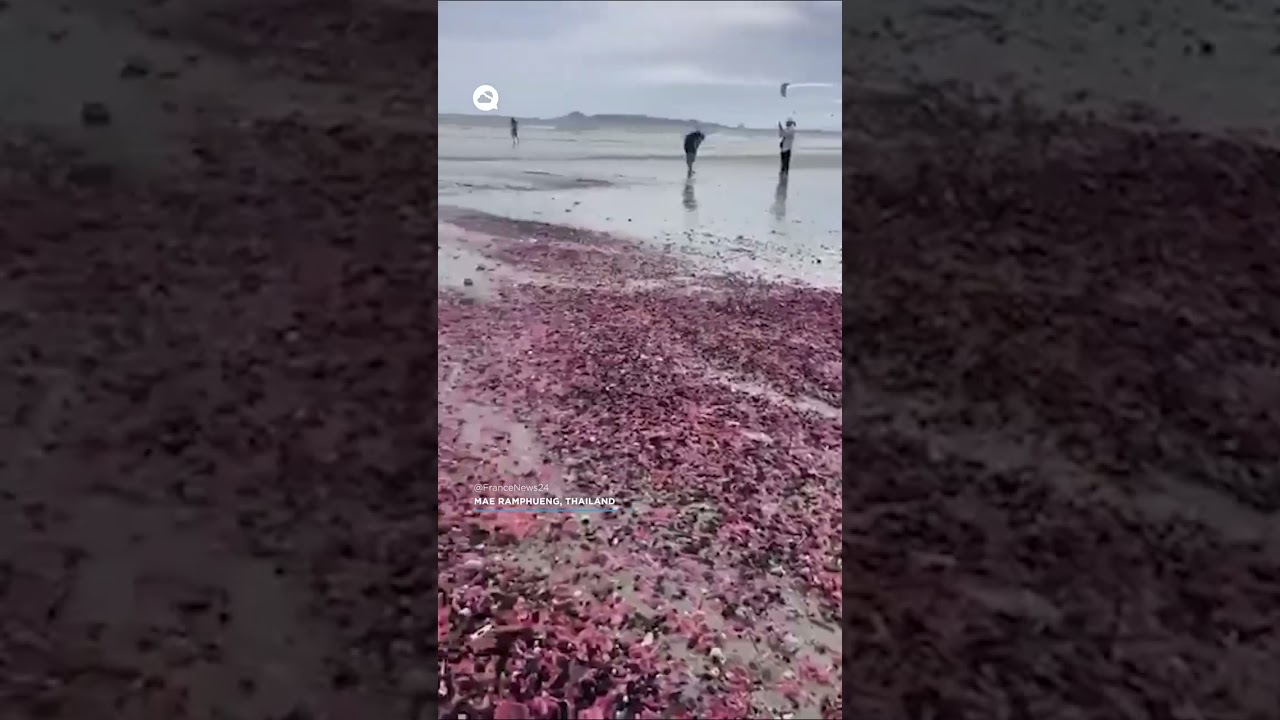
The echinoderms have appeared stranded on several beaches in Mae Ramphueng, where they have tinted the coastline a striking shade of pink. Authorities are investigating this unusual phenomenon, while scientists point to rainfall and ocean currents as possible causes.
A rare natural phenomenon has transformed Mae Ramphueng, a 12-kilometre stretch of coastline in Rayong Province on the Gulf of Thailand, into a remarkable sight.
Thousands of warty pink sea cucumbers — Cercodemas anceps — have washed up along the shore, astonishing residents and tourists, who have quickly shared images of the unusual event across social media and news outlets.
Following the incident, Thailand’s Ministry of Natural Resources and Environment has called for an urgent investigation into the phenomenon. The aim is to determine what caused the mass arrival of these echinoderms, a situation considered highly unusual in the area.
Although there is still no definitive explanation, experts are considering several hypotheses linked to the meteorological and oceanographic conditions recorded in recent days.
Heavy rainfall and ocean currents among the main theories
Sea cucumbers live on the ocean floor, which makes it unusual to find them in such large numbers on the beach, a development that has attracted the attention of researchers and environmental authorities.
RAYONG 6 June 2026, Millions of pink sea cucumbers have washed up along a beach in Thailand's eastern province of Rayong in a rare natural phenomenon that has attracted widespread attention from tourists and marine experts.
— Khaosod English (@KhaosodEnglish) June 6, 2026
Large numbers of the marine animals were found pic.twitter.com/sGdGQ6EoGT
According to initial assessments, the intense rainfall recently recorded and changes in marine currents may have displaced these animals from their usual habitat and carried them towards the coast.
Storms frequently alter ocean dynamics, generating waves and water movements capable of transporting marine organisms into shallow areas. If these conditions coincide with favourable tides, the result can be a mass accumulation of species on beaches.
Specialists are also examining whether other environmental factors, such as changes in water temperature or shifts in salinity caused by rainfall, may have contributed to this collective displacement.
An important role in the marine ecosystem
Although their appearance may seem unusual to many people, sea cucumbers play an essential role in the ocean. By consuming sediments and organic matter, they recycle nutrients and help keep the seabed healthy, acting as natural "cleaners".
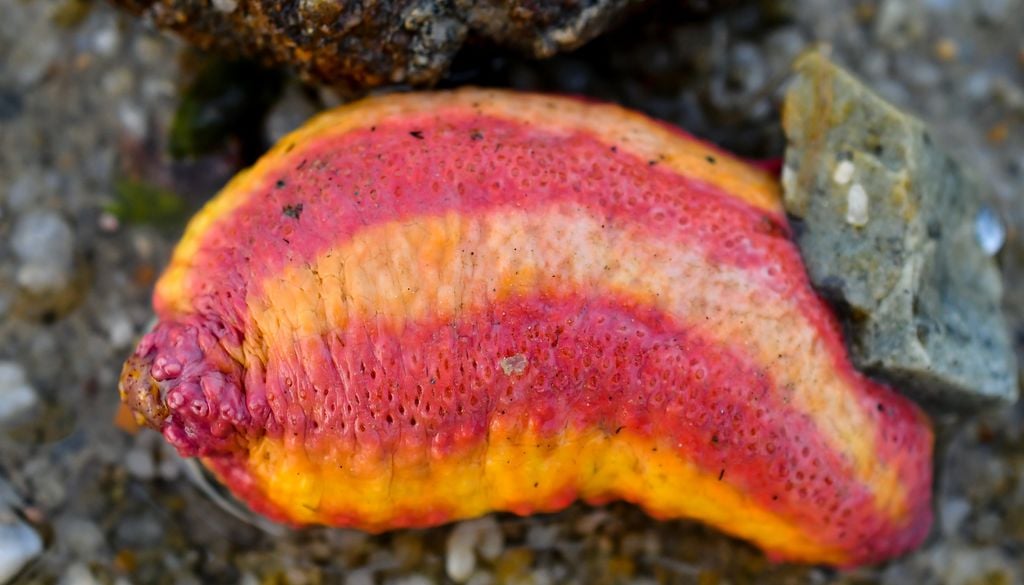
In many Asian countries, some species also have significant commercial and culinary value, which has led to considerable pressure on their populations in certain regions.
For this reason, experts stress that these animals form part of a delicate ecosystem and recommend that they should not be handled or removed without supervision from the relevant authorities, particularly during extraordinary events such as the one currently affecting the coast of Mae Ramphueng.