
Tragedy in Argentina: Hundreds of whales found dead as investigators probe the puzzling cause
Studies are ongoing to determine what caused this environmental catastrophe along Argentina’s coast near the Valdés Peninsula. Preliminary estimates indicate that more than 113 whales have died.
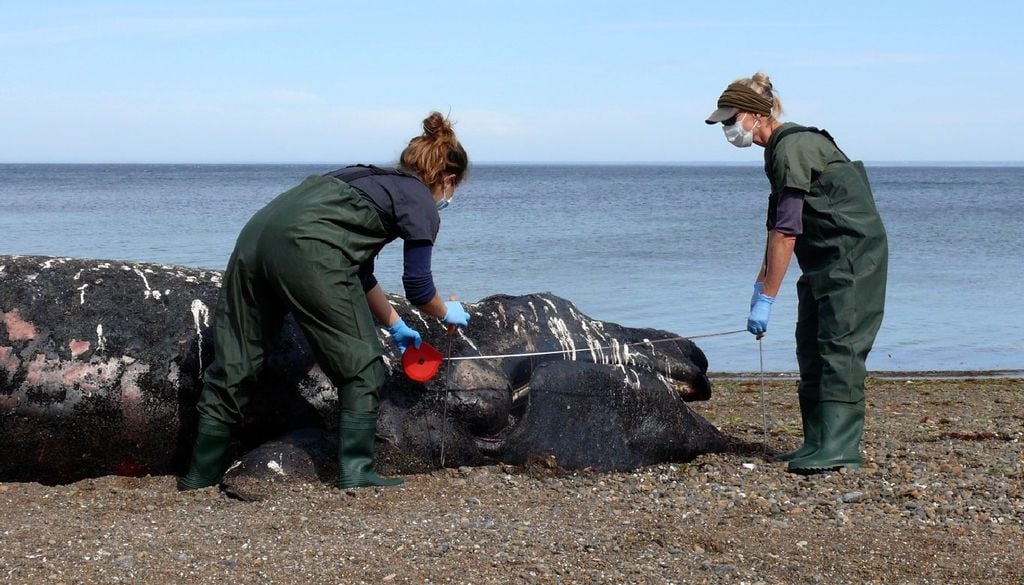
A group of specialists is investigating the possible cause behind the deaths of hundreds of southern right whale calves found along the coast near Puerto Madryn, in Chubut, Argentina.
Veterinarians closely studying the case suspect that an outbreak of erysipelas may have been responsible for the deaths. This potentially fatal disease is caused by a bacterium that normally lives on the skin of these marine mammals.
The investigation has yet to reach a definitive conclusion. Experts explained that “it appears to be a natural cause; however, the effects of human activity cannot be completely ruled out.” Meanwhile, authorities in Chubut said they are working in coordination with the scientific community.
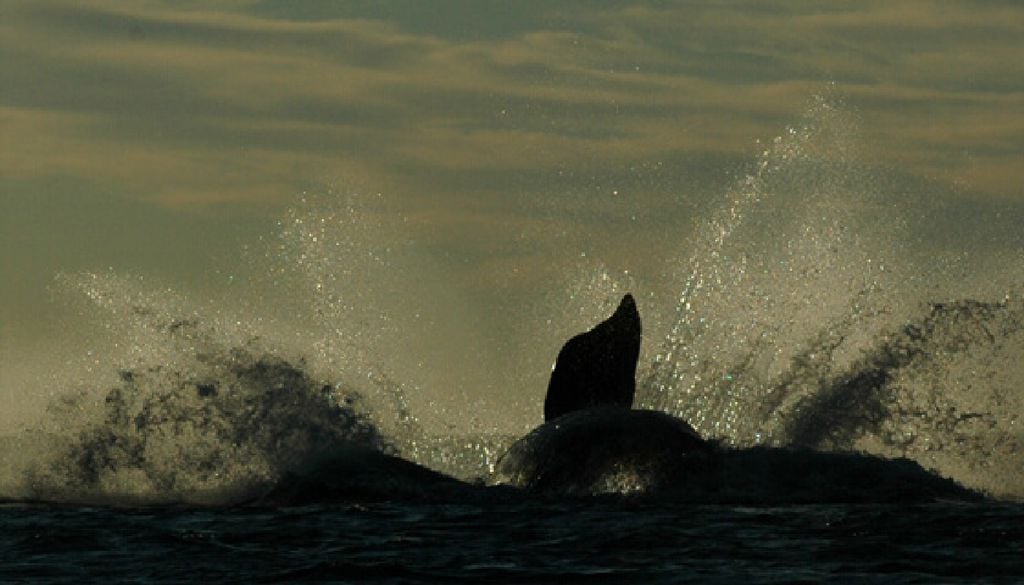
Technical research teams specializing in marine animals are examining samples collected from the whales found dead and carefully processing them. They also explained that, “according to the information available so far, it appears to be a bacterium commonly found in the ocean.”
Systemic illness in whale calves
They added: “This bacterium, which is present in this type of environment, can cause systemic illness in young whales, and no conclusive evidence has been identified that would allow the recorded mortality to be attributed to human-related factors,” they said in an official statement.
Puerto Madryn is internationally recognized as an important breeding area for southern right whales in the southwestern Atlantic.
Fewer calves recorded in 2026
However, this year’s survey counted 1,375 whales, including around 400 calves. When releasing the figures, researchers noted that the decline fell within the natural fluctuations expected for this population.
Experts said episodes of acute mortality like this tend to affect the youngest segment of the population, particularly newborn animals. However, for long-lived species such as the southern right whale, they said it does not pose a threat to the overall population in the medium term.
The full season must be analyzed before clear conclusions can be reached
Although the event appears to be natural, experts explained that it will be necessary to wait until the end of the season to fully understand what happened and attempt to analyze and mathematically project how the population could be affected.
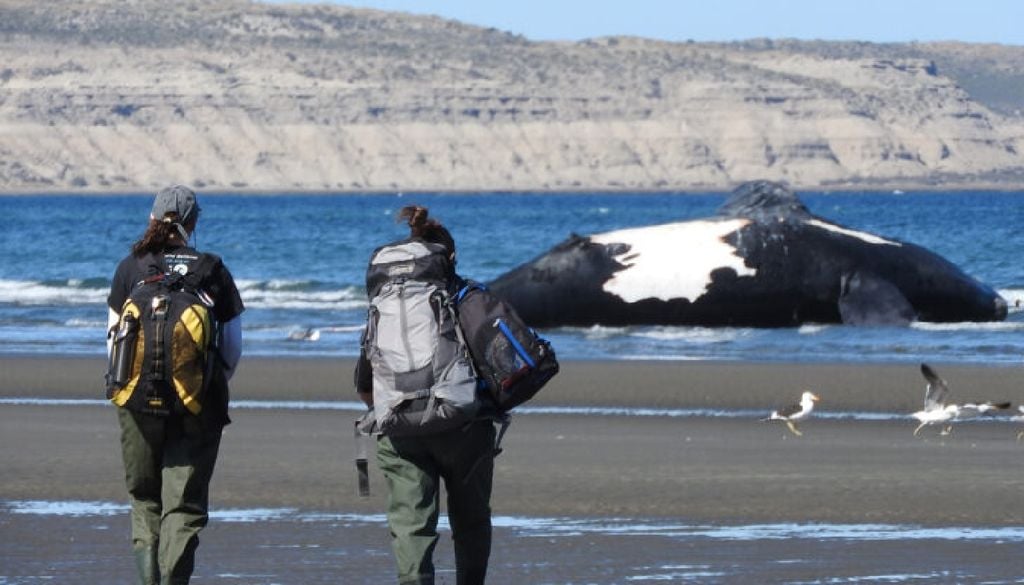
Argentina’s Whale Conservation Institute recalled that in 2012, through the Southern Right Whale Health Monitoring Program, the deaths of 113 whale calves were documented, the highest number recorded anywhere in the world up to that point.
Investigations are ongoing
The organization said preliminary data from this year suggest the event could be even larger in scale, emphasizing the need to verify the number of deaths and compare it with the number of births this season. This will help researchers assess the impact on the population.
The organization also explained that more research is needed to understand the factors that could favor potential infections and their connection to the mortality recorded this year. Researchers said studying the waters of the Nuevo and San José gulfs in the Argentine Sea will also be important.
News reference
Rowntree, V. (2026). Population dynamics of the Southern Right Whale in Península Valdés.