
3 hanging plants that can transform any flat and bring greenery to even the smallest corners
Short on space for more plants? These three species make use of height, free up surfaces and can completely transform the feel of a corner.
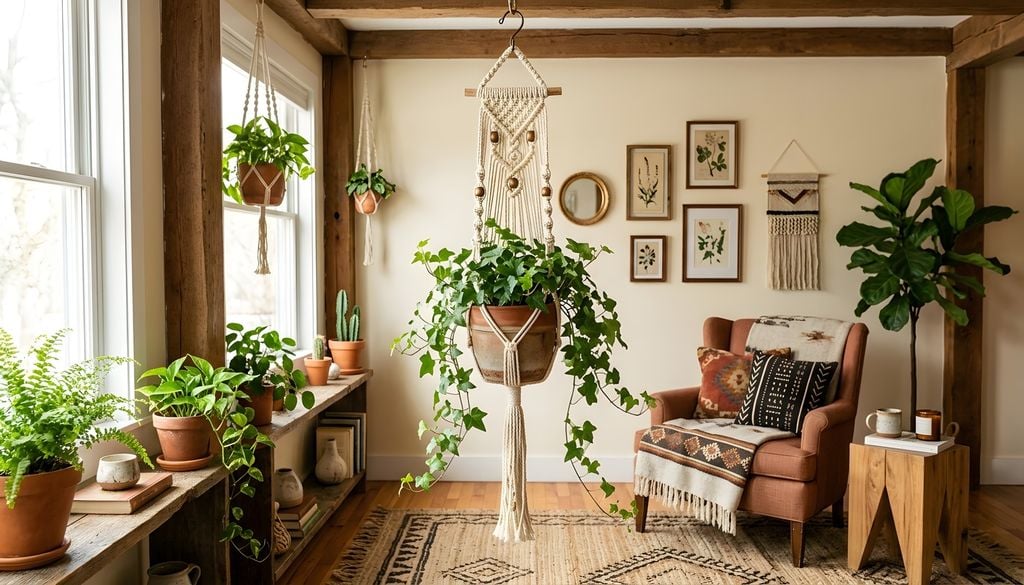
In a flat, every surface often has more than one purpose, and there is not always room for another plant pot. Hanging plants offer a simple solution: they make use of vertical space to add greenery without taking up valuable floor or surface space.
They also allow you to play with different growth habits, from stems that cascade downwards to more compact foliage and leaves that bring brightness. The key is choosing species that are genuinely suited to indoor conditions, rather than simply the corner where we want to place them.
String of pearls: a cascade of tiny green spheres
String of pearls (Curio rowleyanus) stands out for its spherical leaves, which are adapted to store water. These grow along slender stems and can create a distinctive trailing effect, with an appearance completely different from conventional foliage plants.
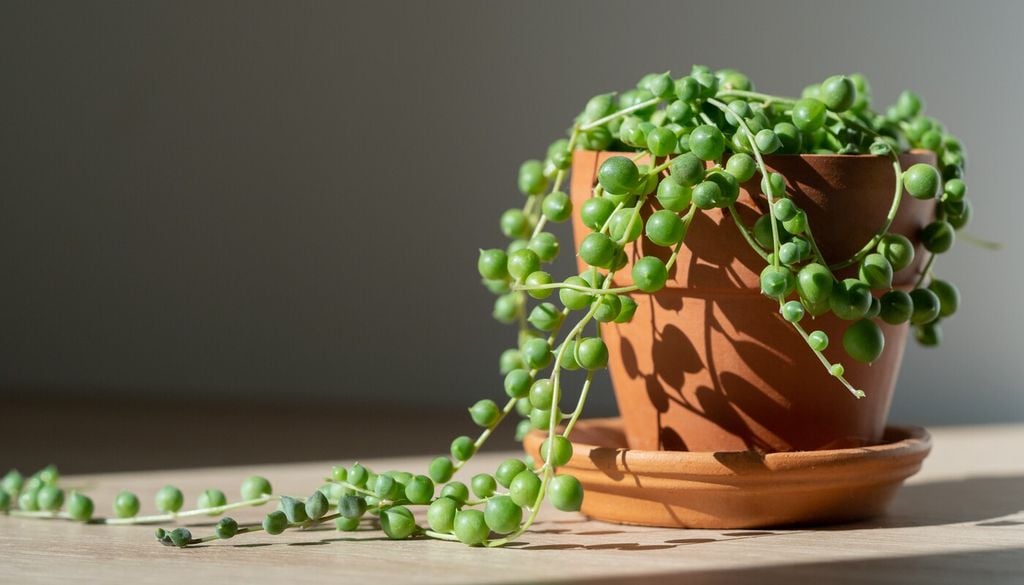
It needs plenty of light to maintain compact growth and stems with well-spaced leaves. It can receive a few hours of gentle sunlight, although indoors it is best to avoid sudden exposure to strong sunlight.
If this happens, stop watering, check the roots and remove any affected parts; healthy sections can be used to produce new cuttings.
Swedish ivy: volume and foliage to fill empty spaces
Swedish ivy (Plectranthus verticillatus) develops long, flexible stems covered in rounded, glossy, deep green leaves. Its relatively fast growth allows you to achieve a bushy plant in a short time and makes it an interesting option when abundant foliage is desired.
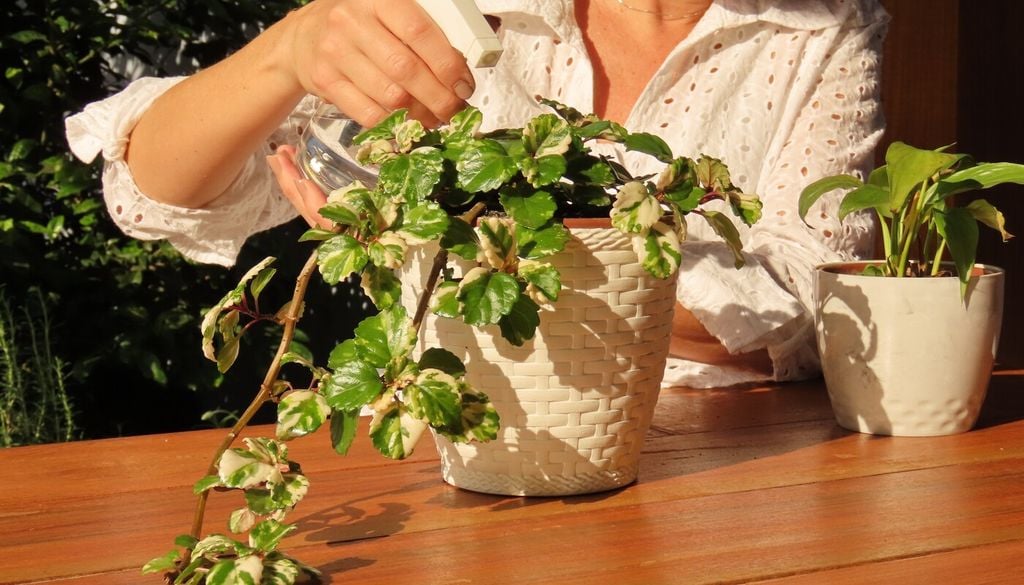
It appreciates plenty of bright, indirect light, although it tolerates slightly lower light levels than string of pearls. In places that are too dark, it can produce weak stems with greater distances between the leaves. Watering should be moderate: it needs more moisture than a succulent, but the growing medium should be allowed to dry out slightly between waterings.
If the stems grow too long or lose density, light pruning helps maintain a more compact shape and encourages branching. It is also worth checking the foliage regularly and removing damaged leaves, particularly when they appear alongside signs of excessive moisture.
Peperomia scandens: bright leaves to lighten up your interior
Peperomia scandens, particularly its variegated forms, has heart-shaped leaves with combinations of green and cream. Its growth tends to be more compact than Swedish ivy, but its leaves provide a bright contrast that can stand out even in small spaces.
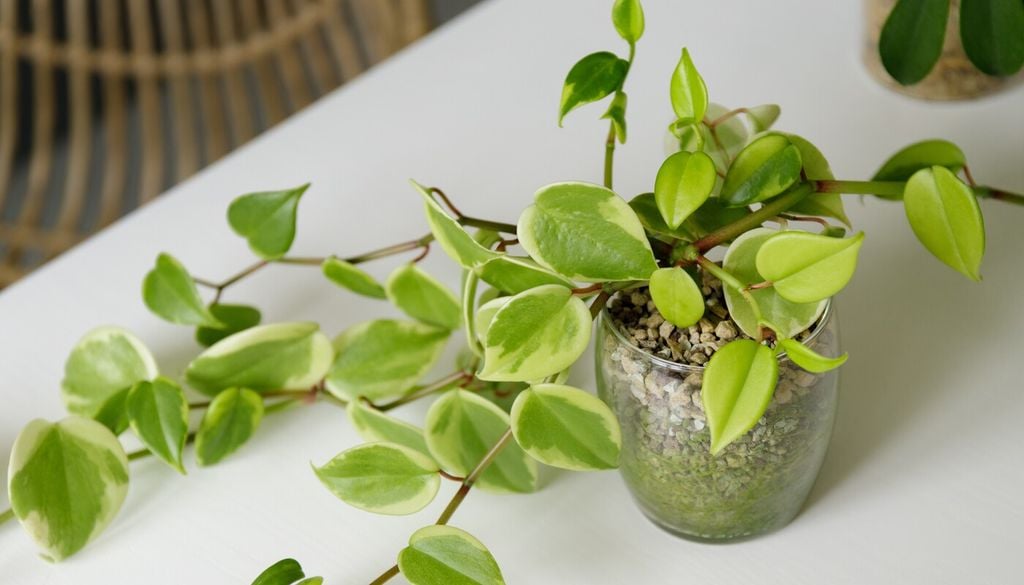
To preserve its variegation and encourage healthy growth, it needs good indirect light. A location that is too dark can reduce its vigour and cause new leaves to develop with fewer light-coloured areas. It should therefore be placed in a well-lit spot, protected from strong direct sunlight.
Yellowing or drooping leaves can indicate too much moisture, while a gradual loss of variegation is often associated with insufficient light. During active growth, it can benefit from a balanced liquid fertiliser applied approximately once a month, always following the dose recommended by the manufacturer.
Growing medium and structure: two keys to making the most of their growth
Although all three species can be grown indoors, it is not advisable to use exactly the same mix for all of them.
- String of pearls needs a particularly airy, fast-draining growing medium, so a cactus and succulent mix can work very well. If making your own mix, adding perlite, pumice or coarse sand helps improve drainage and reduce excessive water retention.
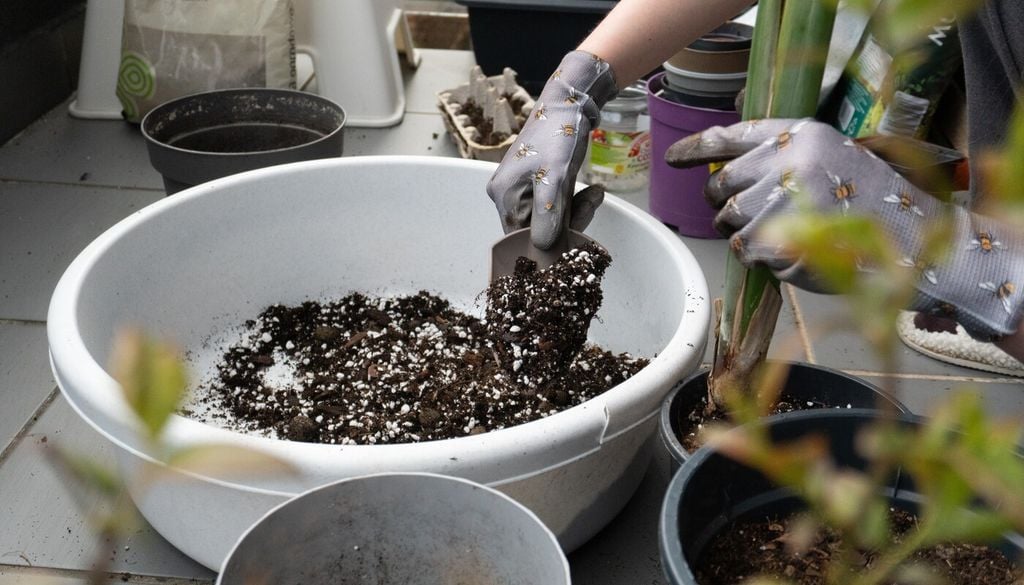
- For Swedish ivy and Peperomia scandens, a growing medium for houseplants may be sufficient, although it is best to avoid garden soil on its own and mixes that become compacted after several waterings. Perlite can be added to improve drainage and aeration, while a small proportion of coir or fine bark helps maintain a more stable structure.
In terms of their growth, Swedish ivy and Peperomia scandens also allow you to experiment with small supports, hoops or lightweight structures when you want to guide some of their stems rather than allowing them to trail freely.