
Clay pots keep your plants happy: discover natural methods to revitalize them
From daily care to natural cleaning, discover how to keep your terracotta (clay) pots beautiful and functional, and find out why using them benefits the plants they house, while reducing the environmental impact of gardening.
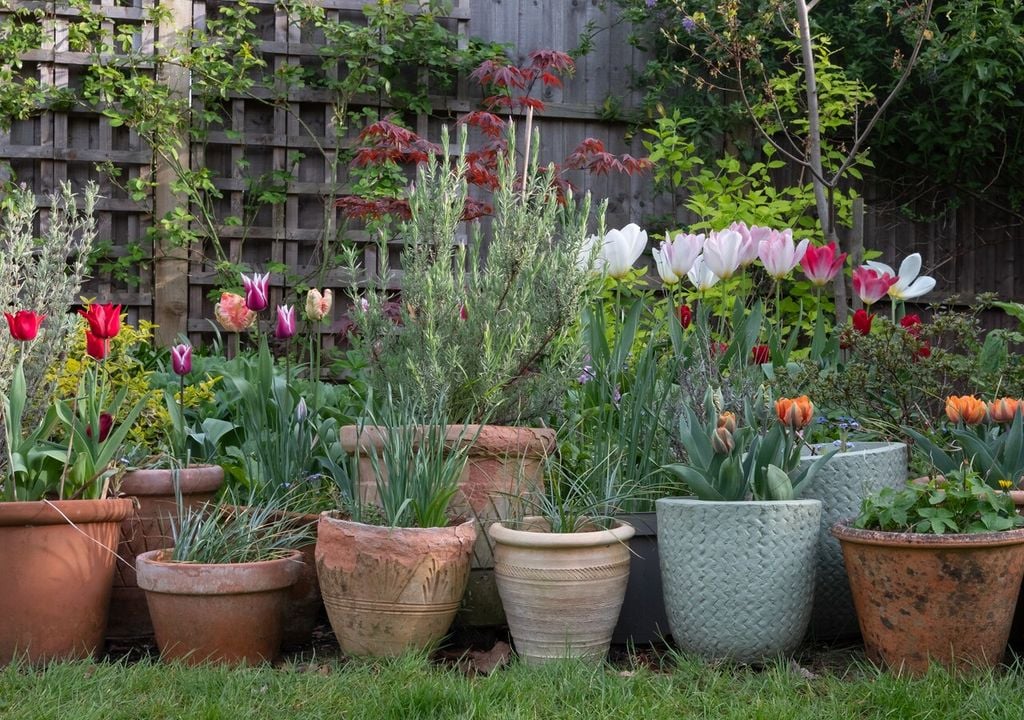
In the world of gardening, most flowerpots are made of plastic: lightweight, inexpensive, easy to transport, and impact-resistant, they are usually the most practical option for growing plants indoors or on a balcony. However, there is a material that offers both aesthetic and functional benefits —although it requires a little extra care—: clay.
Ideal for small pots or larger ones that don't need to be moved frequently, terracotta allows plants to grow in more natural conditions thanks to its breathable properties and moderate water absorption , thus contributing to creating a more balanced growing medium.
Clay: an ancient and versatile material
Terracotta, or earthenware, is a type of ceramic made from clay fired at relatively low temperatures (between 800 and 1100 °C), a process that gives it its porosity and lightness. It has been used since ancient times to make not only flowerpots, but also bricks, roof tiles, tableware, kitchen utensils, and decorative objects.
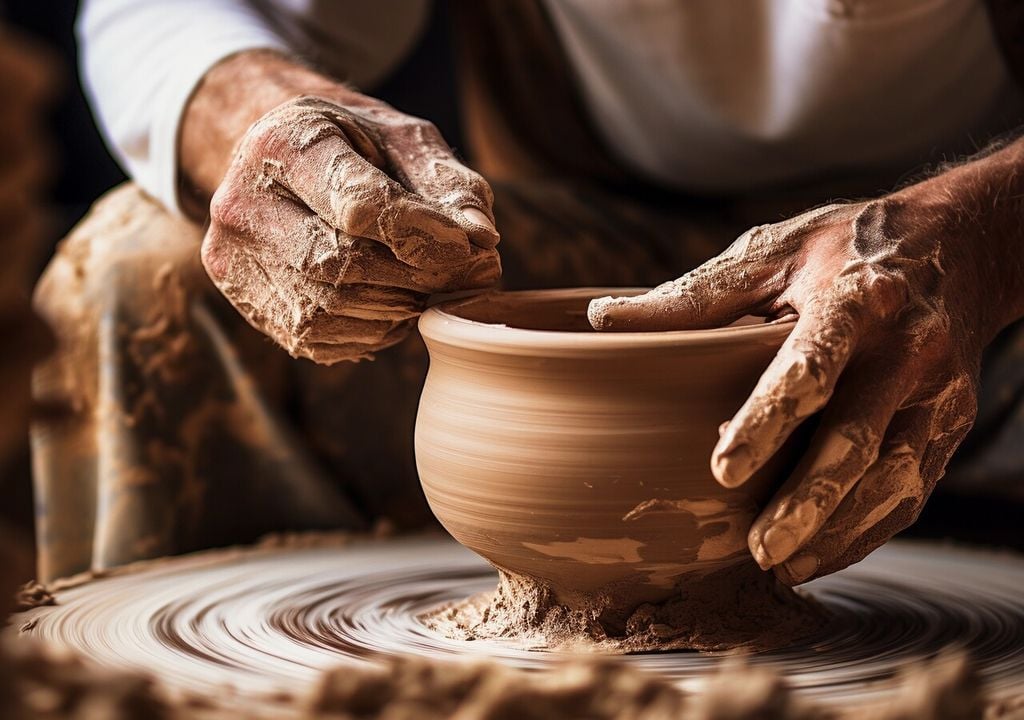
The main characteristics of terracotta include:
- Porosity : allows the exchange of gases with the external environment.
- Moisture absorption : keeps the substrate more balanced, preventing water stagnation.
- Durability : If treated properly, it can last for many years.
- Natural aesthetics : its warm color and organic nature enhance any green space.
Advantages over plastic pots
Terracotta pots offer several benefits that plastic cannot provide:
Gas exchange and breathability : the roots breathe better thanks to the porosity of the material.
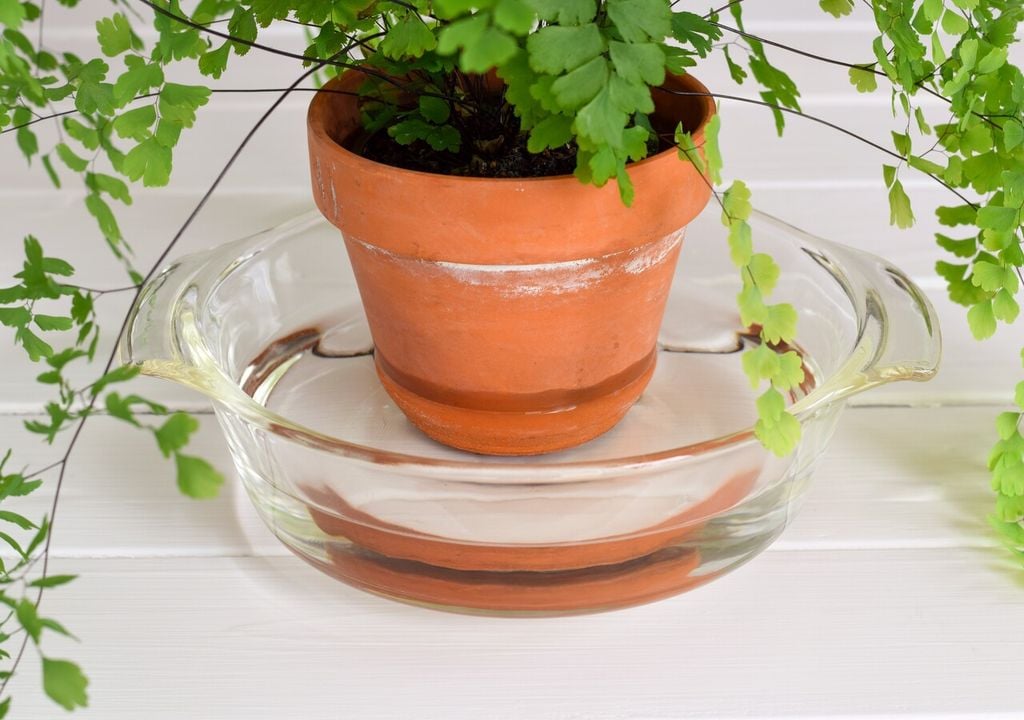
Moisture regulation : excess water can evaporate more easily, reducing the risk of root rot.
Protection against overheating : during the summer, the substrate does not overheat as it does in dark plastic pots.
Stability : heavy and robust pots, ideal for tall plants or those with abundant foliage.
Aesthetic durability : with proper care, they retain their natural charm for years.
Compatibility with natural fertilizers : the mineral salts present in the soil integrate perfectly without causing unwanted reactions.
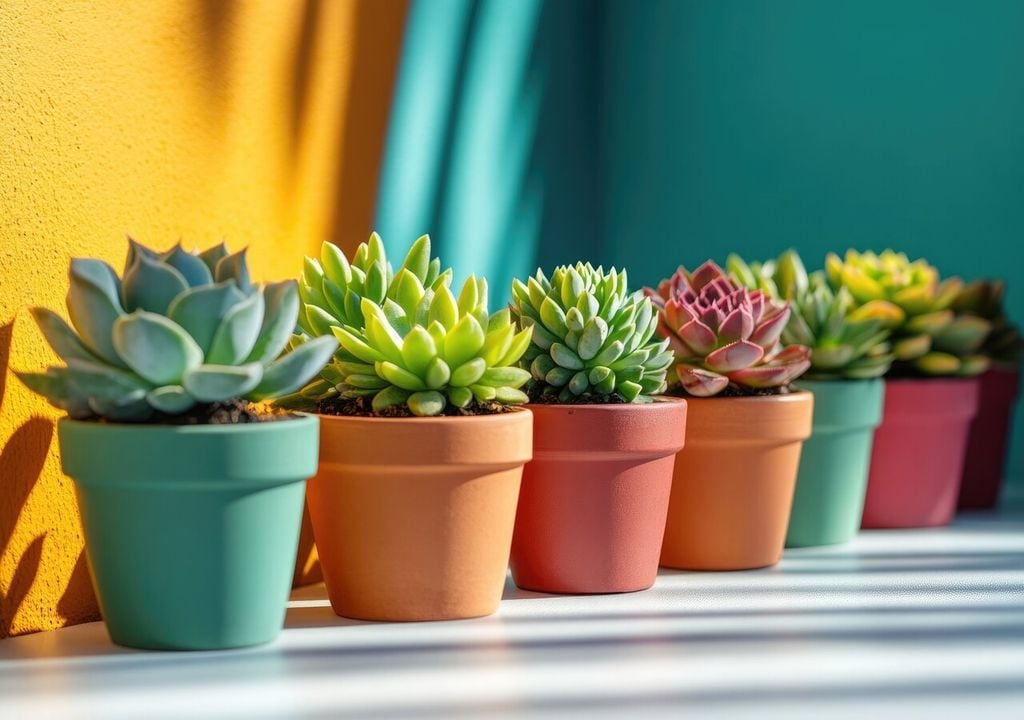
Aesthetics and environmental integration : its warm, matte finish harmonizes with flowers and foliage, enhancing the beauty of your garden or balcony.
Caring for terracotta pots
Over time, clay pots can develop various aesthetic or functional problems:
- Mold and mildew : These can develop, especially in humid environments. Solution: Remove excess soil, clean the pot with warm water and a soft brush, and—if necessary—sprinkle a little cinnamon powder on the soil to prevent fungal growth.
- White stains or limescale : These usually appear mainly at the base of the pot due to watering and the use of fertilizers. Solution: Soak the pot for a few hours in water mixed with diluted white vinegar, then gently scrub.
- Fertilizer residue or hardened soil : These can clog drainage holes. Solution: Use a small stick or brush to clear the holes before transplanting.
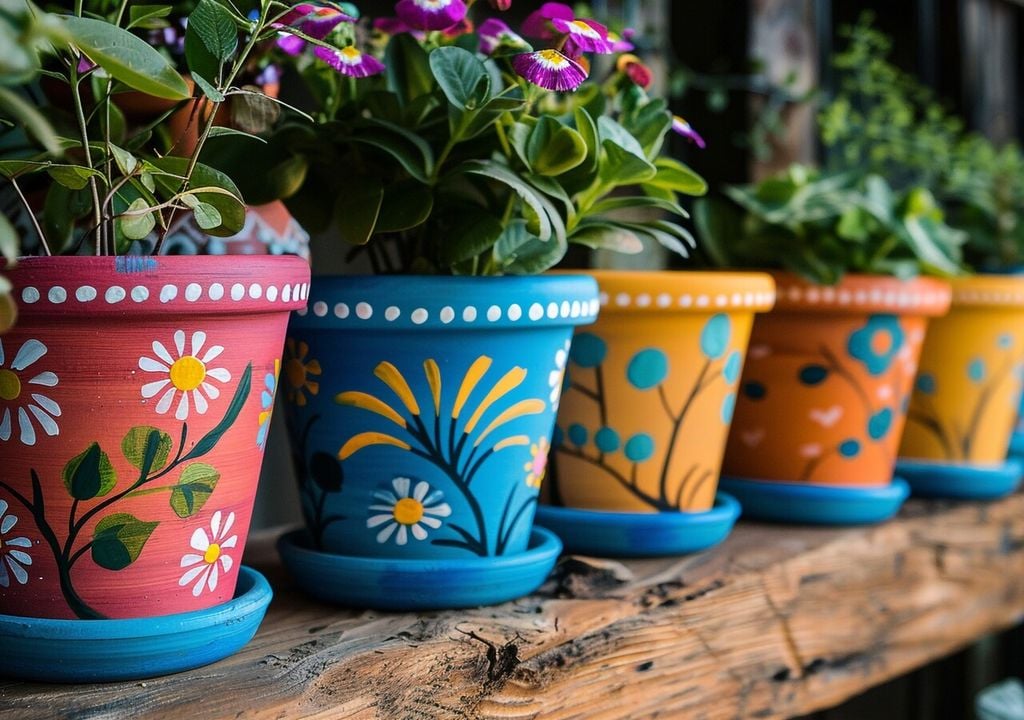
Using simple and natural methods, terracotta pots can be restored to an optimal state without the need for harsh chemicals.
When a flowerpot is beyond repair: breaking it can be useful
If a flowerpot is broken or damaged, it shouldn't be thrown away as trash; instead, the terracotta fragments can have a second life in the garden. When repotting, it's advisable to place terracotta fragments over the drainage holes of the new pot.
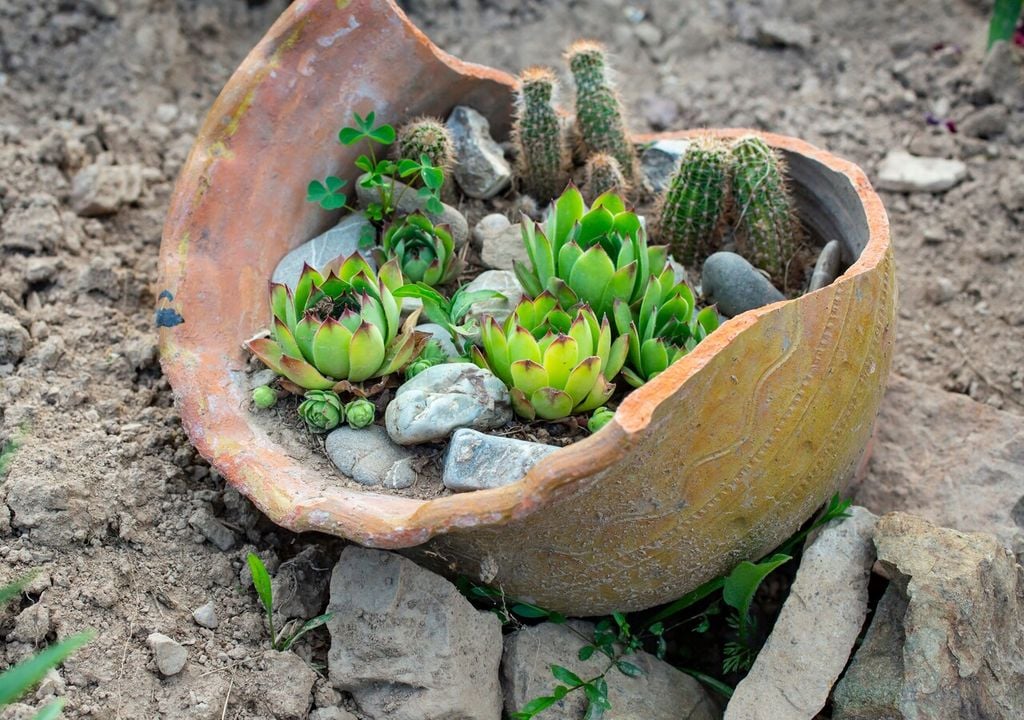
This practice:
- It facilitates water drainage, preventing stagnation.
- It prevents the roots from coming into direct contact with excess water
- It helps create a more aerated and stable substrate
It's a simple trick, but fundamental for the health of plants .
Environmental impact: Plastic or terracotta?
The life cycles of these two materials differ significantly:
- Plastic : low-cost production, but with a high energy footprint and derived from petroleum; difficult to dispose of and not biodegradable, although recyclable.
-
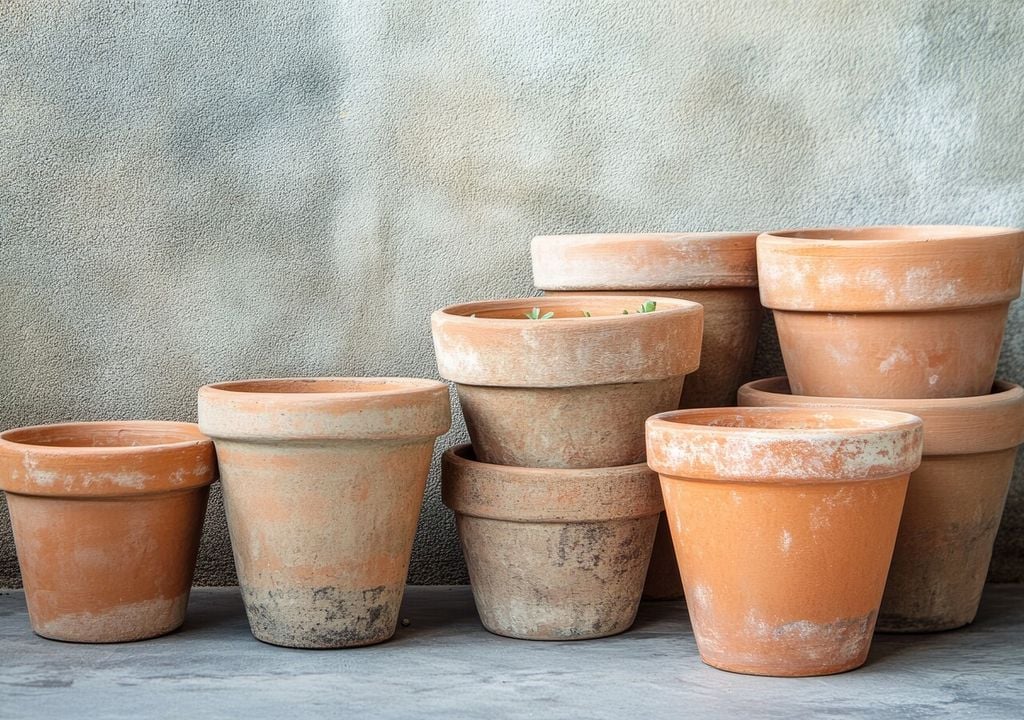
Terracotta : produced by hand or industrially from natural clay; it is completely biodegradable, easily reusable and recyclable —for example, as drainage material for other pots.
Caring for them, restoring them using natural methods, and recycling them once they are no longer usable transforms gardening into an activity that is not merely a hobby, but also an act of responsibility, awareness, and respect for the environment.