
Is your pothos producing leafless stems? Causes and solutions to help it grow fuller again
If your pothos has long stems with very few leaves, insufficient light may be causing etiolation, but a few simple tricks can help it regain the lush, full look it had when you bought it.
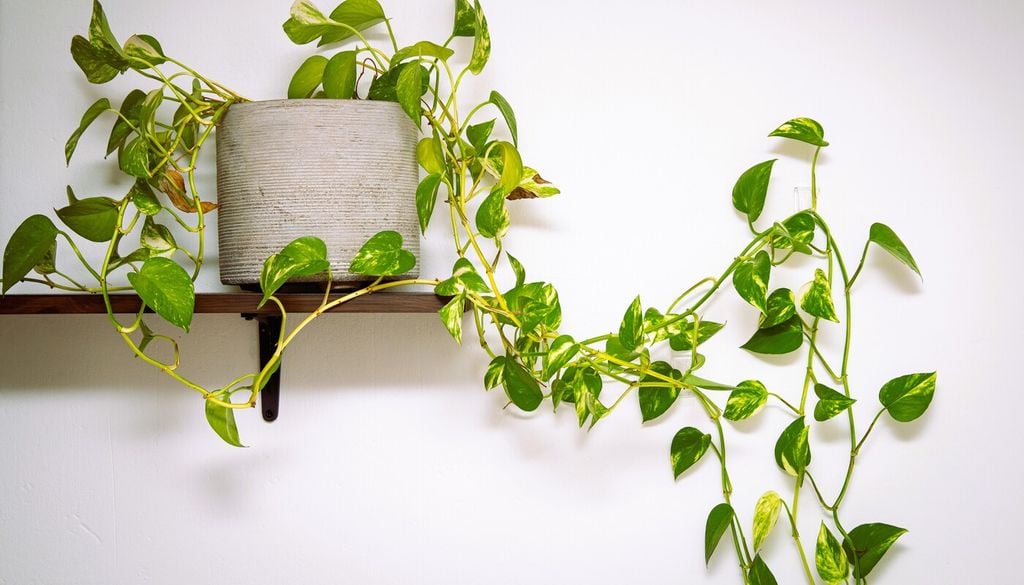
When you first buy it, it is a lush, leafy plant, perfect for decorating any corner of your home. However, over time, pothos can develop long stems with few or no leaves, gradually losing its full appearance. In most cases, this is not caused by disease but by insufficient light.
When pothos grows too leggy: the causes
This phenomenon is known as etiolation and occurs when a plant grows with insufficient light. In pothos, a lack of light causes the internodes to elongate, resulting in increasingly sparse foliage. This is compounded by the plant's natural tendency to continuously extend its stems, which can grow as trailing or climbing vines depending on how the plant is cultivated.
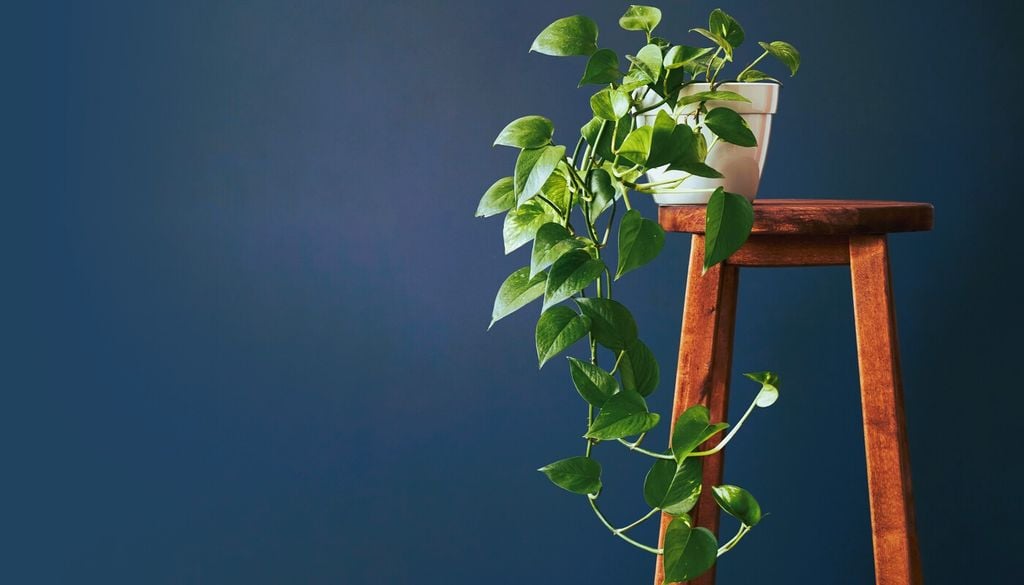
Pothos tends to trail when it hangs from a shelf, but it can climb when trained on supports such as moss poles.
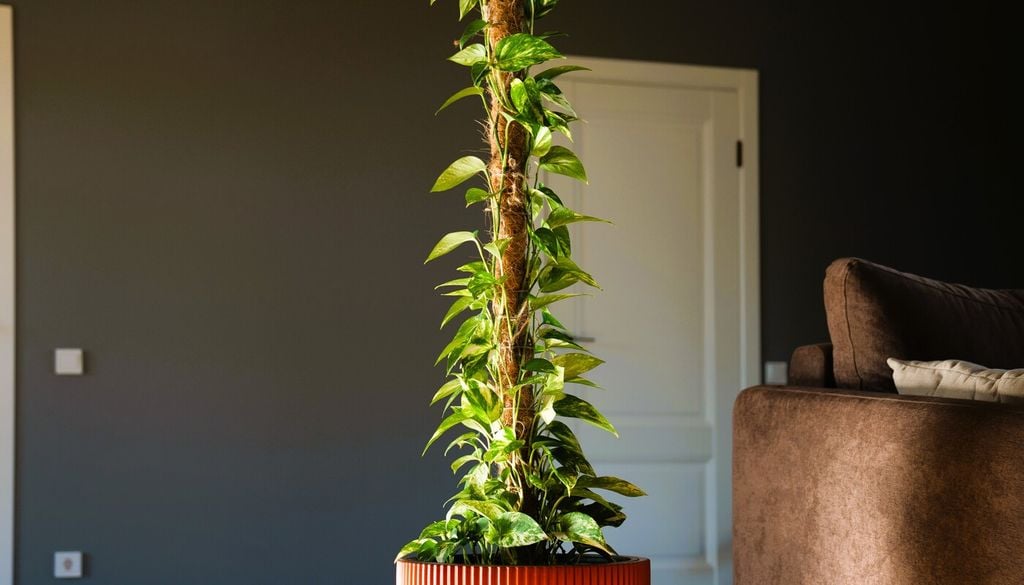
Whether trailing or climbing, the plant's appearance can change significantly depending on the amount and quality of available light.
3 simple and effective solutions
Once the cause has been identified, you can improve the pothos' growing conditions and help it develop fuller new growth. Results are usually positive because the plant is not suffering from an actual disease, but rather from suboptimal growing conditions.
These are the main steps you can take.
1. Light
The pothos should be moved to a bright location, preferably near a window, while avoiding direct sunlight.
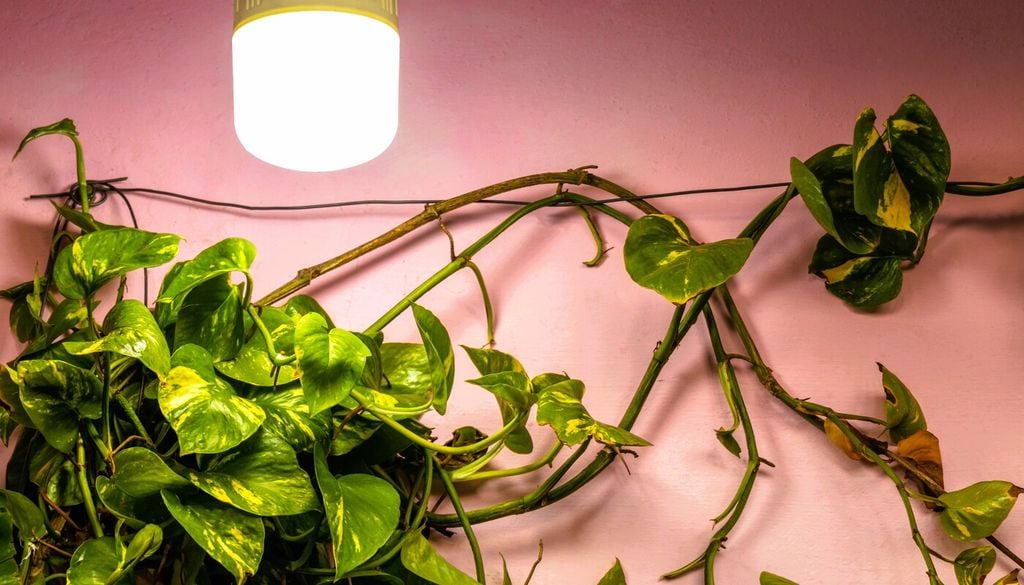
This should be the first step taken to encourage the development of new, leafy shoots.
2. Pruning
Stems that have become too long and bare can be shortened with an initial pruning, preferably in spring, when the plant resumes more active growth. This can improve its appearance and encourage the development of new shoots.
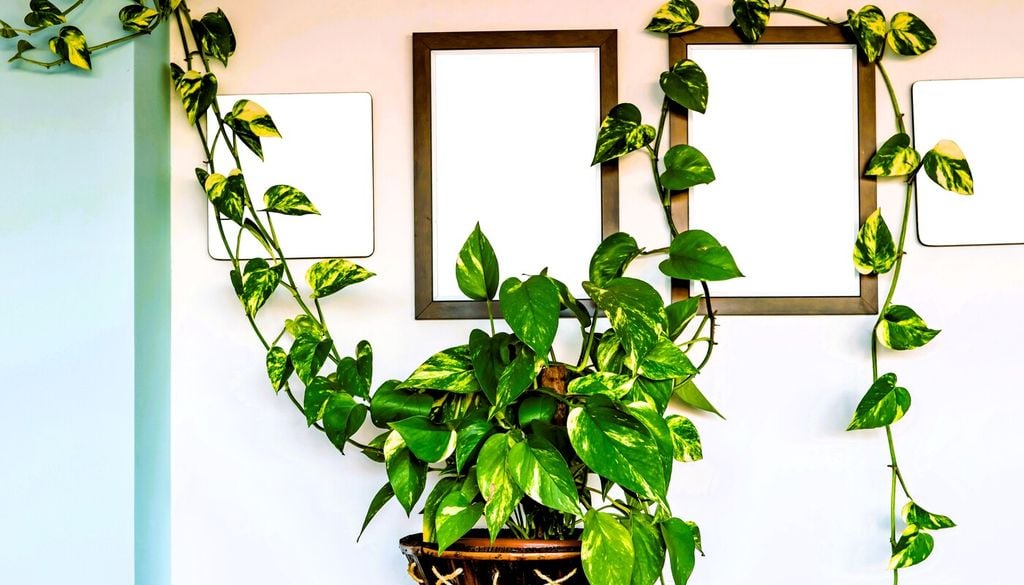
Afterward, regularly pruning new growth helps maintain dense foliage and a fuller appearance. Healthy sections removed during pruning can also be easily used as cuttings to fill out the base of the parent plant or grow new plants.
3. Fertilization
During the growing season, you can fertilize approximately once a month with a liquid fertilizer for green houseplants, diluted in the irrigation water according to the dosage indicated on the label.
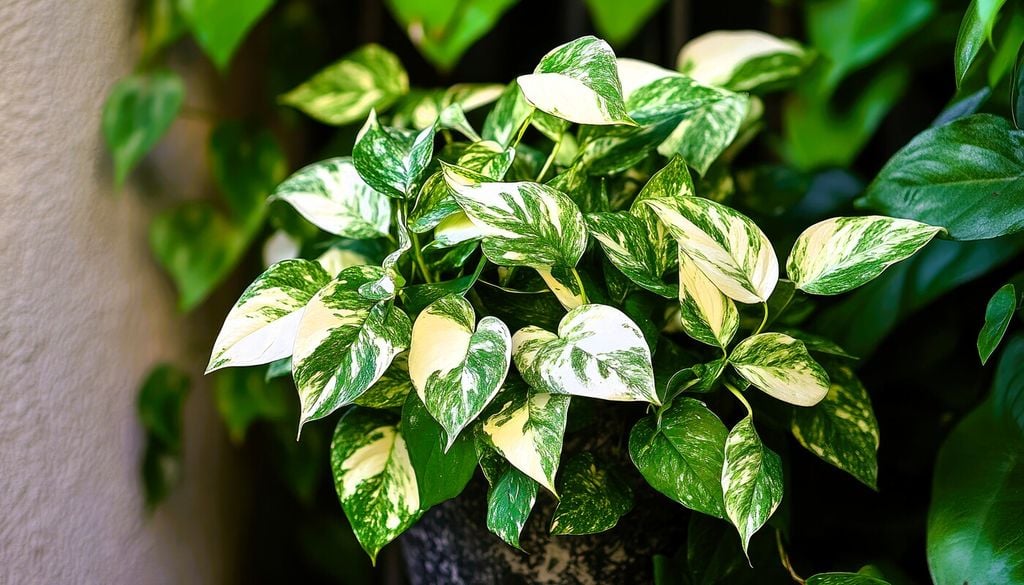
Balanced fertilization encourages fuller foliage, but it cannot compensate for insufficient light.
Other useful tips
To keep pothos healthy, it is also important to avoid temperatures below 10–12°C (50–54°F) and water moderately, allowing the potting mix to partially dry out between waterings.
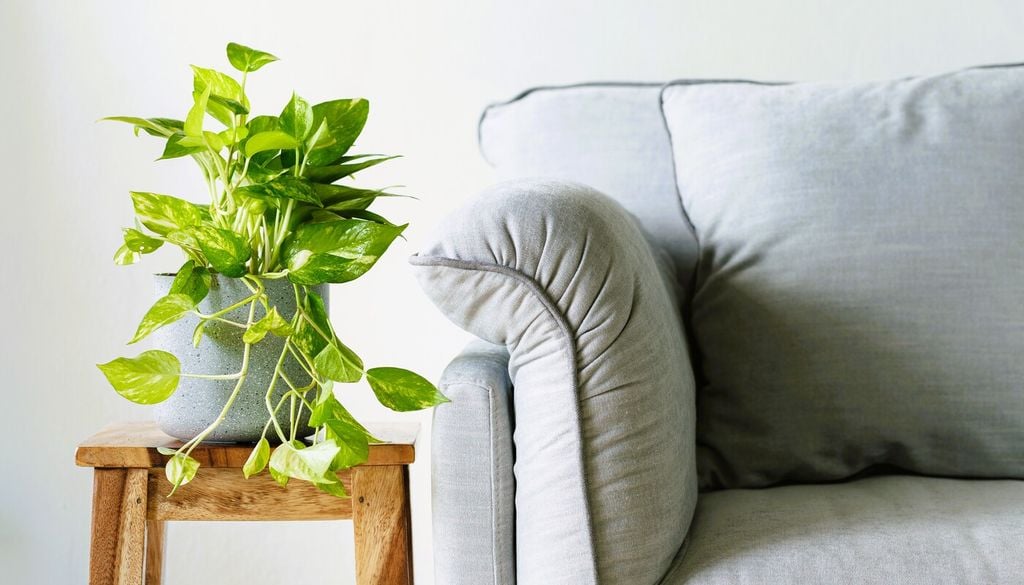
During drier periods, you can also mist the leaves with room-temperature water to temporarily increase humidity around the plant.
The secret to a lush pothos
Keeping houseplants green, leafy, and attractive long after bringing them home is one of the most common challenges for people who grow plants indoors.
Providing environmental conditions that closely match the needs of each species is essential for healthy, lush growth. For pothos in particular, light is vital.