
Resilient, elegant, and virtually indestructible: the plant that has conquered offices and transformed interiors.
Once highly valued in offices for its robustness and ease of maintenance, it is now a star of interior decoration.
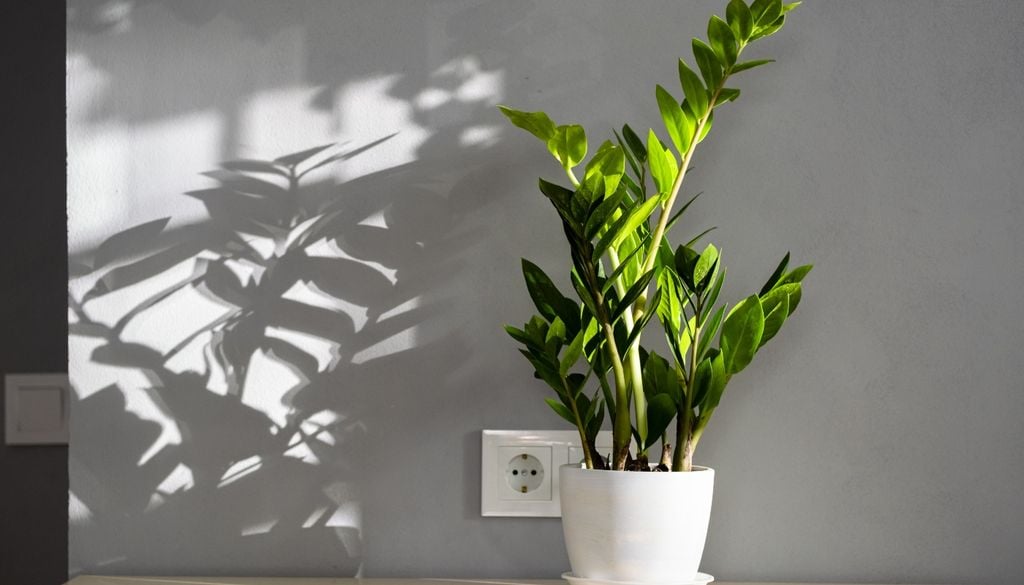
Not all plants are famous for their flowers. Some are renowned for a far more challenging reason: surviving where almost all others fail. The zamioculcas falls into this category .
It resists neglect , adapts to low-light environments, and retains an elegance that has made it one of the most sought-after houseplants.
Unlike many houseplants, the zamioculcas stores water in thick underground rhizomes and at the base of its stems. This reserve allows it to survive for several weeks without watering , making it the ideal plant for those who travel frequently, have little time, or simply tend to forget the watering can.
A plant that never goes out of style
It produces upright stems covered with fleshy, deep green leaves with a natural sheen, which bring freshness and elegance.
Its vertical growth also helps to optimize space . A single plant can become the centerpiece of a living room, bedroom, or office without cluttering the room.
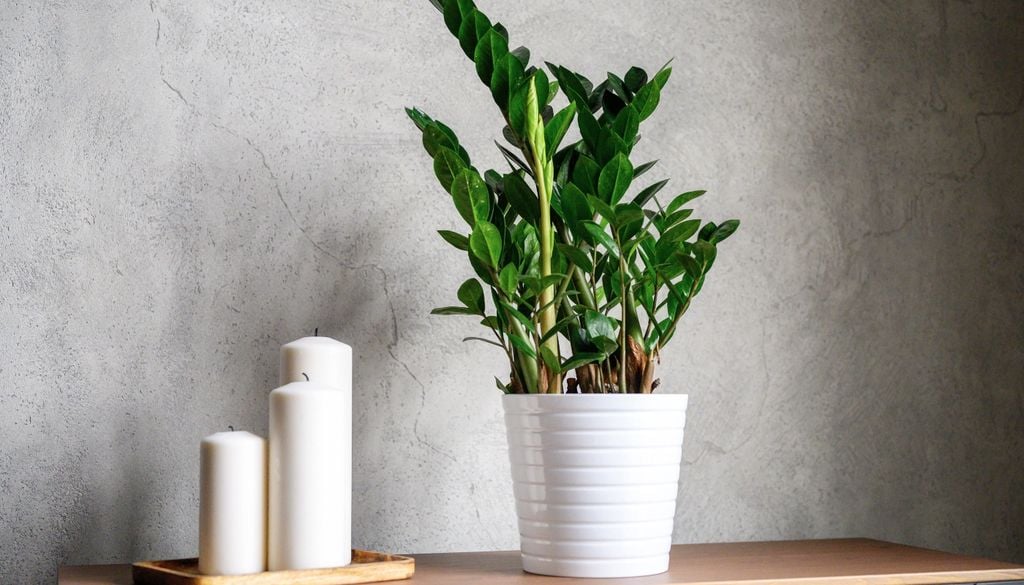
For this same reason, it has been a common feature in offices, hotels and buildings for years , where natural light is often scarce and maintenance must be minimal.
Its growth is slow, but that's also an advantage.
Those expecting a plant that doubles in size in a few months should probably choose a different species. The zamioculcas is a slow-growing plant.
Under favorable conditions, it typically produces new shoots in spring and summer, while its activity decreases considerably in autumn and winter . It takes between three and five years to reach its mature size, depending on light, temperature, pot size, and care.
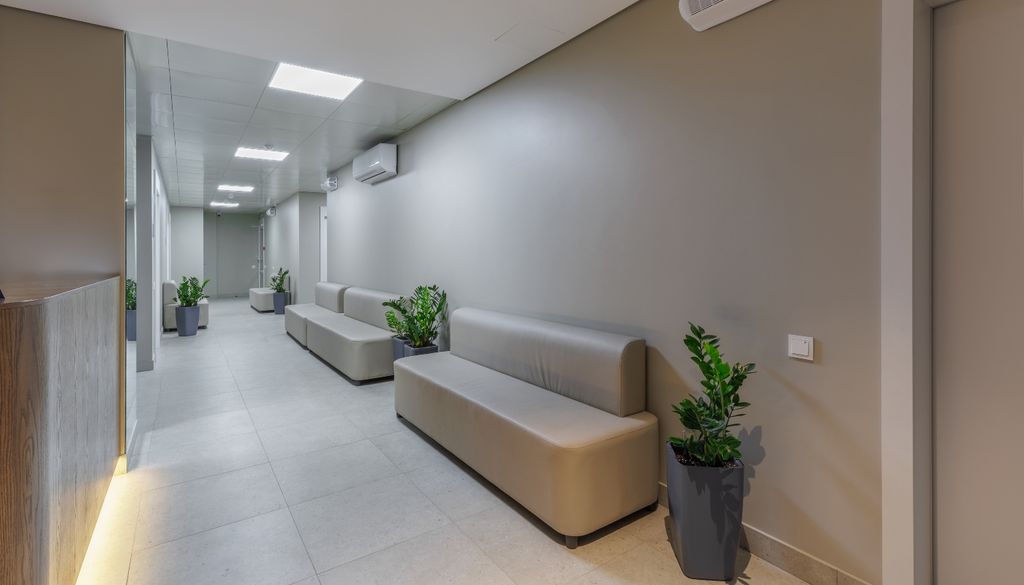
Far from being a drawback, this slow growth is an advantage for those seeking a stable plant. It requires neither frequent repotting nor pruning to control its size and maintains a compact and balanced shape for a long time.
The care you really need
Although it doesn't require much attention, a few basic care steps make all the difference between a plant that barely survives and one that thrives for many years.
The ideal light is bright and indirect . It adapts to less bright environments than other species, although its growth will be slower. Direct sunlight during the hottest hours of summer can burn its leaves.
When it comes to watering, it's best to wait until the soil is dry before watering again. Its rhizomes store enough moisture to withstand periods of drought without any problems , while overwatering promotes root rot.
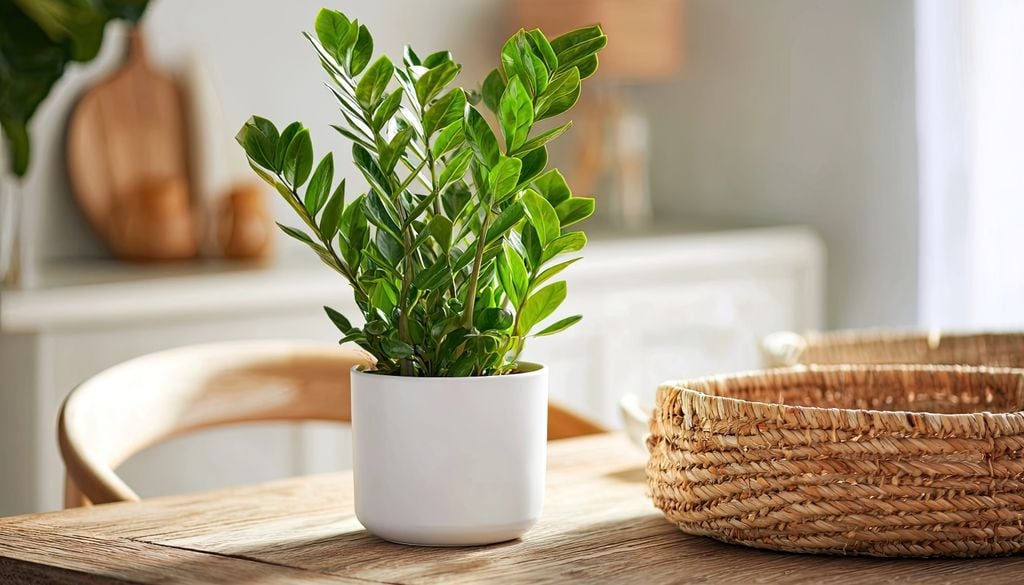
It also needs a perfectly draining substrate. Aerated mixes, enriched with perlite, coarse sand or pumice stone, promote rapid drainage and reduce the risk of disease.
In spring and summer, it can be given houseplant fertilizer once a month . In winter, it hardly needs any fertilizer.
Another simple tip: dust the leaves with a soft, slightly damp cloth. Besides restoring their characteristic shine, this allows the plant to absorb light better.
Although many describe it as an "indestructible" plant, it does have its limits. Temperatures below 10°C can affect it ; therefore, it's best to bring it indoors during the winter if temperatures are very low.
Another important point: like other species in the Araceae family, it contains calcium oxalate crystals. Ingesting any part of the plant can cause irritation in humans and pets ; therefore, it should be kept out of reach of young children, dogs, and curious cats.
More and more homes are incorporating plants into their decor. With good light, well-draining soil, and moderate watering to avoid overwatering, the zamioculdas is one of the most robust and rewarding houseplants.