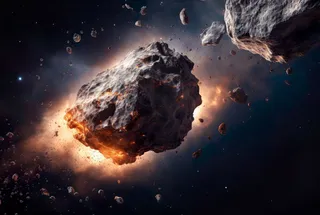
The discovery of the 17th Trojan asteroid of Mars actually dates back to last year, but thanks to the observations made by the Gran Telescopio Canarias, confirmation has finally arrived.

The discovery of the 17th Trojan asteroid of Mars actually dates back to last year, but thanks to the observations made by the Gran Telescopio Canarias, confirmation has finally arrived.
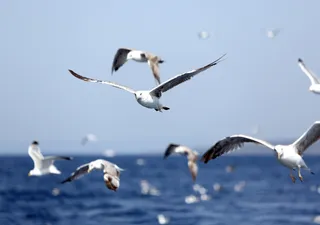
Seagulls are being forced into our cities due to the loss of natural spaces - and we need to learn to live with them, scientists say. Find out more here!

New research suggests that the melting of Antarctic ice has consequences on the speed of planetary spin and that there is a need to discuss how to adjust the “UTC” standard time.
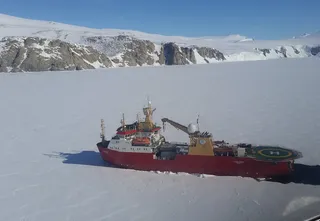
Thanks to the geological and geophysical investigations conducted on board the Italian icebreaker "Laura Bassi", by the National Institute of Oceanography and Experimental Geophysics, a chain of underwater volcanoes was discovered in the remote seas of Northern Victoria Land, in Antarctica.
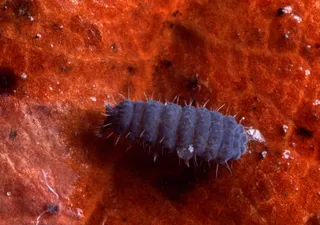
Research has found that tardigrades' exceptional survival abilities come from proteins capable of slowing down their life processes. And most importantly: these proteins can also be used in human cells.
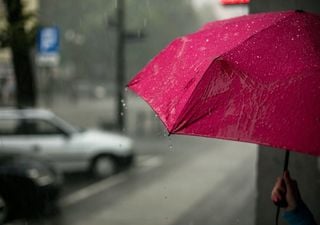
Warmer and wetter winters are affecting when animals emerge from hibernation and negatively affecting crops; what can we expect from these shifting seasons?

MIT researchers develop new way to describe the number of days per year that outdoor temperatures are just right for normal outdoor activities.

Mini-meteorologists read hypothetical but plausible future weather forecasts to show the impact climate change could have on the weather by the time they’re adults.
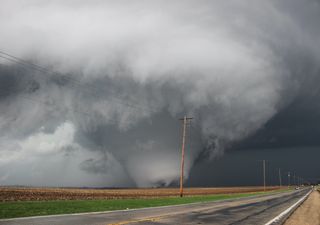
New construction techniques are being developed to make buildings more resistant to the strong winds of tornadoes. The addition of self-contained “safe rooms” to these buildings has saved many lives.

Chinese researchers develop breakthrough implantable battery powered by body's oxygen.
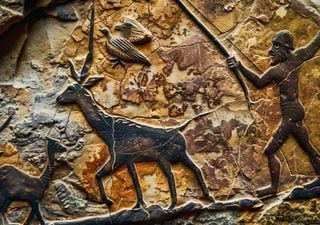
The bones found in a place in Ethiopia suggest that people who lived there had to adapt their diet and habits to survive after a super volcanic eruption.
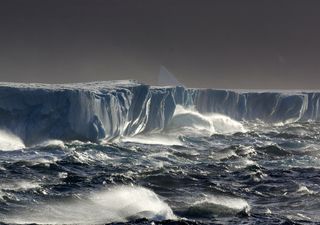
An experimental technique to thicken Arctic ice with thousands of litres of seawater is underway, but will it work?