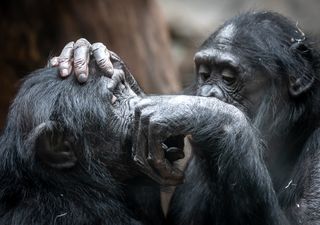
Building friendships in the animal kingdom is not a simple and quick transaction. Recent research reveals that the development of social bonds takes time with a gradual build-up of mutually beneficial interactions.

Building friendships in the animal kingdom is not a simple and quick transaction. Recent research reveals that the development of social bonds takes time with a gradual build-up of mutually beneficial interactions.
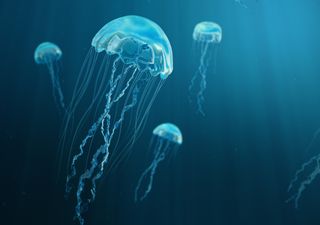
As strange as it sounds, we share the planet with species that do not need brains to survive. Some have retained the same morphologies for millions of years, others group together in colonies and it is now known that they can even learn.
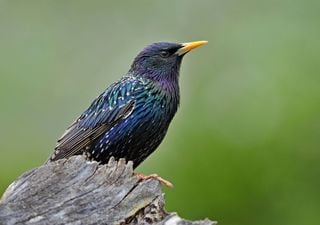
Birdsong is not an artistic performance useful only to impress the fairer sex. The various songs fall within the sphere of mechanisms for recognizing one's peers, a sort of behavioral barrier to avoid useless and sterile crossings, and related energy expenditure.
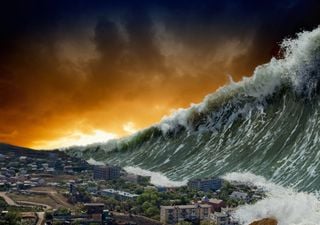
History tells us that in the year 365 AD, the Mediterranean area was shaken by a thunderous earthquake, which according to some more recent estimates exceeded 8.0 Richter degrees. The earthquake and subsequent tsunami killed tens of thousands of people.

Scientists develop AI model that revolutionises breast cancer prediction using mammograms.
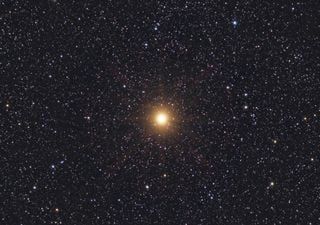
Betelgeuse has gained a lot of attention recently, not only because variations in its brightness have led to speculation that an explosion could be imminent, but also because observations indicate that it is rotating much faster than expected.

In a recent study, researchers describe the exception to Fourier's 200-year-old law: a first-of-its-kind discovery about heat transfer in translucent solid bodies.
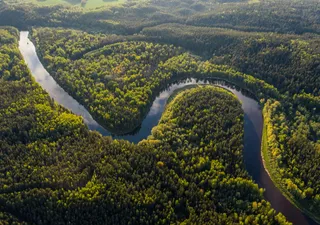
New research shows human-induced climate change is affecting the seasonal flow of rivers across the globe and urges the acceleration of climate adaptions efforts.
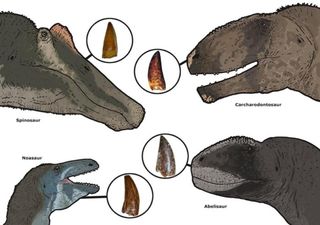
Scientists employ phylogenetic, morphometric, and machine learning analyses to identify mysterious fossil teeth from Morocco's Kem Kem beds.
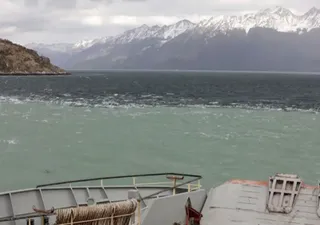
The Pacific and Atlantic oceans meet at Cape Horn. There are differences in the colour of each ocean but is that enough to say that the waters do not mix? Or is the process more complex?
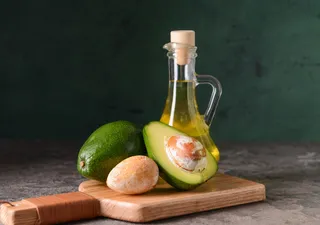
We invite you to learn about the benefits that the oil of this extraordinary fruit provides, its influence on our health and if there are standards for its production.
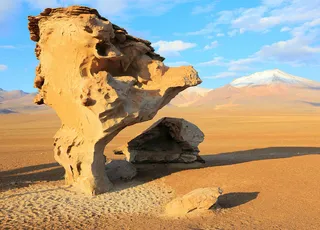
Human activity is not the only source of CO2 emissions, other natural processes such as weathering and erosion of rocks also emit significant amounts of greenhouse gases into the atmosphere.