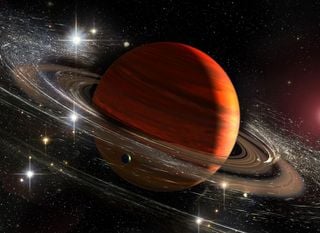
We already knew that on Enceladus there were various molecules that on our planet are believed to be the basis of the origin of life as we know it but now further evidence has arrived in favour of the potential habitability of this satellite.

We already knew that on Enceladus there were various molecules that on our planet are believed to be the basis of the origin of life as we know it but now further evidence has arrived in favour of the potential habitability of this satellite.
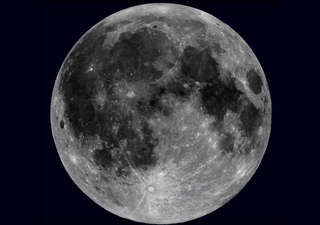
After decades, humans will finally return to the Moon. The first manned mission is scheduled to take place in 2024, which will be a year considered a milestone in Astronomy.
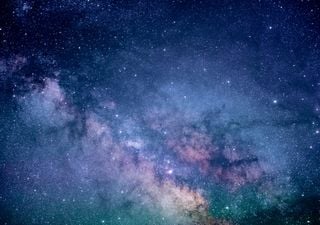
For the first time, astronomers have observed in 3D just where the gas from spiral galaxies is vented, and confirmed an important theory of galaxy evolution.

The journey to the top of the world's tallest mountain is a chilling reminder that death lurks at every step of the adventure.

The foehn effect produces a wide range of adverse phenomena in the mountains as well as truly spectacular temperature rises. We delve into the formation mechanisms and associated impacts.
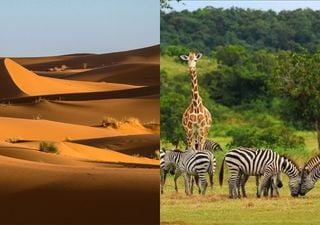
The Sahara Desert was once a green savanna about 11 thousand years ago, with elephants and giraffes present! Research explains why.

A new way to monitor the flow of rivers from satellites could provide a valuable early warning system for flood risk, scientists say.

Your feline friend may have a wider appetite than you thought! New research shows domesticated cats are hungry for species over double their size around the world.

Imagine that you are part of a jury in blind auditions to determine a person's appearance by their voice. A difficult task, right? The sounds we produce are revealing, to a large extent, of who we are. But they have not always been the same.
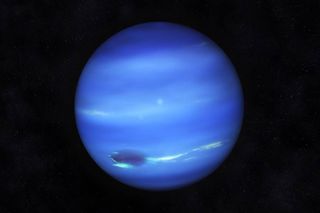
A new Webb image of our solar system’s seventh planet from the Sun shows the planet is more than a giant ball of ice. Uranus in infrared imaging shows the planet like we’ve never seen it before.
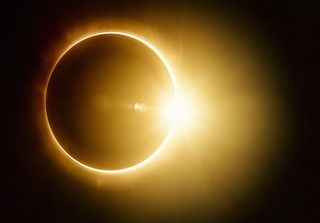
We discover the amazing phenomenon of total solar eclipses and explain how often these fascinating astronomical events can be observed in a specific place.

Researchers discover that artificial intelligence can analyse data about people's residence, education, income, health and working conditions and, therefore, predict life events with great accuracy.