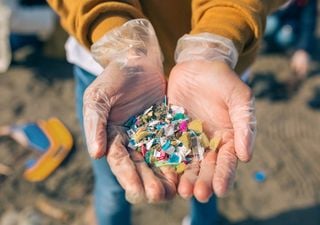
It is everywhere, but it is time to have a think about plastic. What can modern plastics tell us about the archaeology of us?

It is everywhere, but it is time to have a think about plastic. What can modern plastics tell us about the archaeology of us?

The most beautiful villages in the world have been revealed, according to Forbes, with a British hamlet taking the top spot
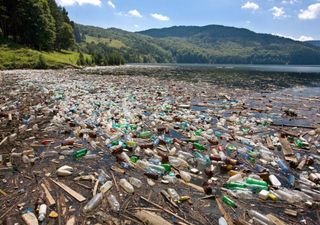
From waste to valuable resource: Chemists at the University of Copenhagen have developed a method to convert plastic waste into a climate solution for efficient and sustainable CO2 capture, addressing not one, but two major global challenges.

How do planktonic microalgae keep their metabolism active through the night or during heavy cloud cover?
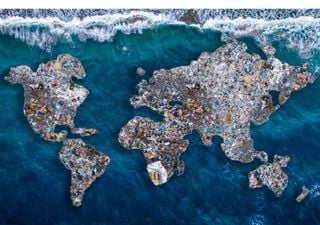
Assessing the true impact of micro- and nanoplastic pollution is difficult, but a global, integrated approach to monitoring could track their movement; we find out how.
Learn about the other 15 states of matter that defy reality and go beyond solid, liquid, and gas.
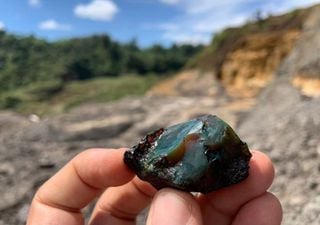
A discovery of fossilised tree resin, known as amber, has been made in Ecuador with insects trapped inside, allowing researchers to see a glimpse of the ecosystems of the Cretaceous period of South America.

The climate impact of military aircraft is comparable to commercial aviation, but can emissions be reduced with sustainable aviation fuels?
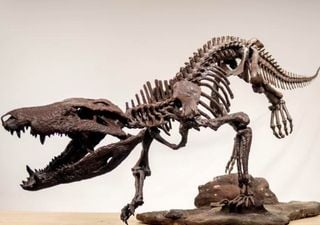
New fossil reveals a giant, crocodile-like predator that may have snacked on dinosaurs during the end Cretaceous period in Argentina.
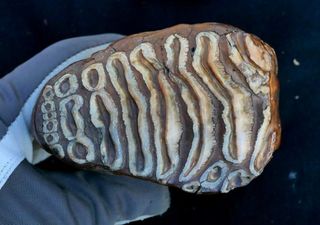
New research published in the journal Cell describes some of the oldest microbial DNA ever found in mammoth remains.
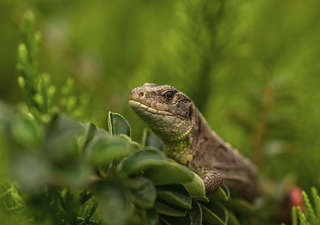
A remarkable little fossil with an impressive set of teeth and a surprising cranial structure provides insights into the evolution of modern reptiles.
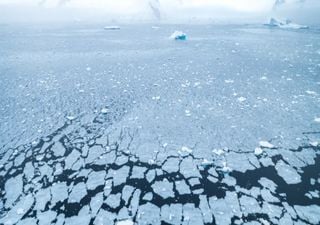
For decades, satellites captured bright, turquoise patches in the waters south of the Antarctic Circle with no clear explanation. Now, a recent study finally identifies microorganisms that alter the colour of the sea.