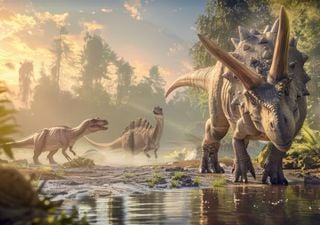
Research from the University of Michigan shows that the disappearance of the dinosaurs not only wiped the planet's giants out, but also reshaped rivers and allowed for the expansion of forests, leaving indelible marks on the geological record.

Research from the University of Michigan shows that the disappearance of the dinosaurs not only wiped the planet's giants out, but also reshaped rivers and allowed for the expansion of forests, leaving indelible marks on the geological record.
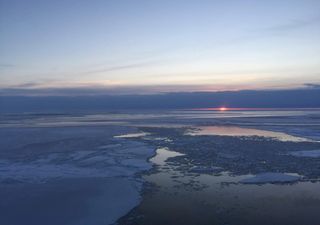
A vigorous circulation in the Pacific had a particular effect on the Southern Ocean, showing us whether carbon dioxide levels were higher in the previous Ice Ages.

A marine heatwave in 2023 meant the oceans absorbed less carbon dioxide than expected, but why? Experts have answers.
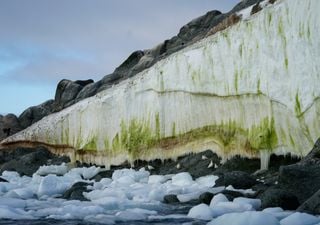
For the first time, researchers report that Arctic algae can move at -15 ºC (the lowest temperature ever recorded for movement in complex living cells). Learn more here!

A place of immense beauty and ecological importance within the Caribbean, the Turks and Caicos Islands are much more than white sandy beaches. They form an open-air laboratory with priceless ecosystems, which we are about to discover.
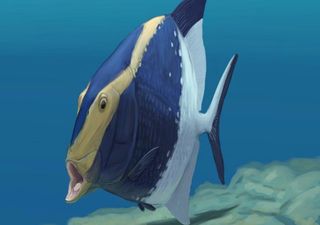
A fossil ray-finned fish described by an international team shows a ‘tongue bite apparatus', 150 million years earlier than previously thought.
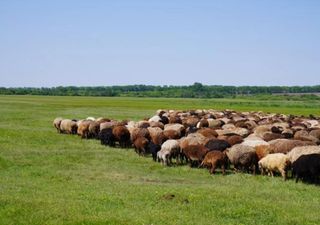
In a new study published in the journal Cell, scientists discovered that a mysterious plague may have been caused by livestock.

An innovative project in Pará, Brazil, transforms açaí waste into sustainable products, such as utensils, charcoal, asphalt, and green fuels, promoting the circular economy and social inclusion in the Amazon.
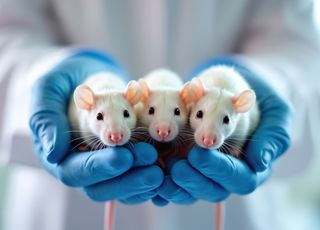
Mice are aware of pain and can even feel empathy. This allows them to provide first aid to their fellow mice in pain.

Parasitic infections that were prevalent in southern Europe are now being seen more regularly in the UK. Understanding the root cause is crucial to preventing them from spreading widely in domesticated animals.
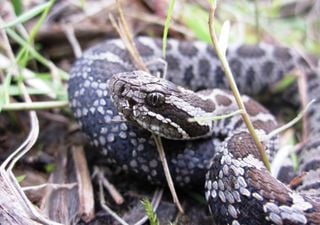
A study carried out over 15 years reveals that rattlesnake populations in Michigan are under threat due to human causes.
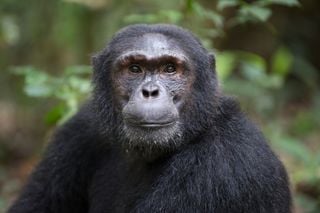
A theory that has influenced evolutionary biology for more than four decades turns out to have been wrong, new research has shown.